What is an Endoscopy?
Modern medicine has made it possible to examine the body's interior without large surgical incisions. One of the best examples of this is endoscopy. It is a safe and effective way for doctors to see internal organs, detect problems early, and sometimes even treat conditions during the same procedure.
The Basics of Endoscopy
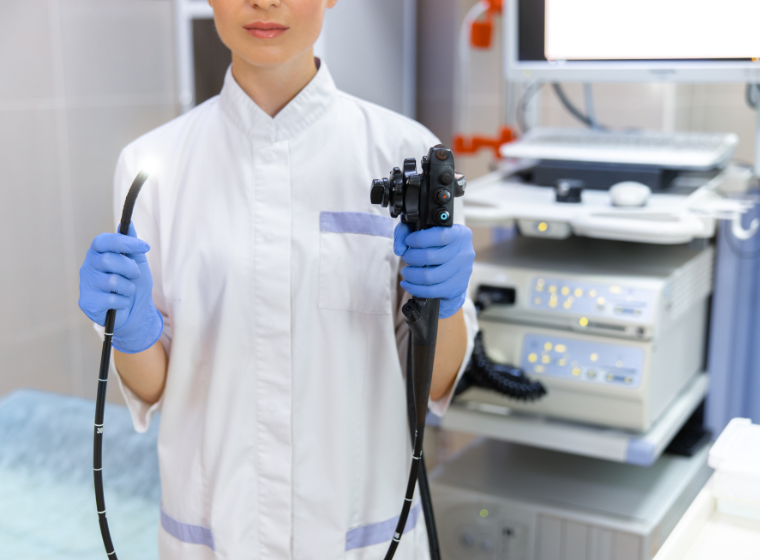
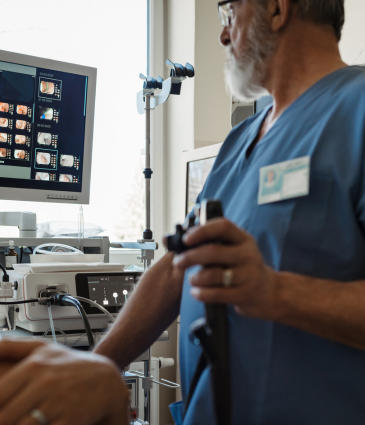
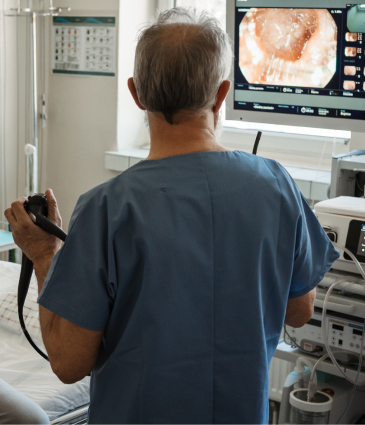
Endoscopies and other minimally invasive procedures use endoscopes, which are thin, flexible tubes. The tube features a light and a small camera at its tip, which transmits real-time images to a monitor. This allows doctors to view parts of the body clearly without the need for surgery. Endoscopy is commonly used to check the digestive system, lungs, bladder, and even joints. In some cases, it is only used to look and take images (diagnostic), while in others, it is also used for treatment (therapeutic), such as removing a polyp or stopping bleeding.
How the Procedure Works
The process of an endoscopy usually follows a few steps:
- 1.Preparation – Patients may need to avoid certain foods or drinks for a specified period.
- 2. Sedation – Most endoscopies are done under mild sedation or anesthesia to ensure comfort.
- 3. Scope insertion – The doctor gently guides the endoscope through the mouth, nose, or a small incision, depending on the area being examined.
- 4. Imaging and treatment – Images are transmitted by the camera, and instruments can be put through the scope to take biopsies or carry out simple procedures.
- 5. Recovery – Most patients return home the same day with little to no downtime.
Types of Endoscopy
There are many forms of endoscopy, each focusing on a different area of the body:
- Gastroscopy – Examines the esophagus, stomach, and upper small intestine.
- Colonoscopy – Looks inside the large intestine.
- Bronchoscopy – Used to check the lungs and airways.
- Cystoscopy – Examines the bladder.
- Arthroscopy – Used for joints, such as the knee or shoulder.
- Capsule endoscopy – Images of the small intestine are taken by swallowing a tiny camera within a capsule.
Why Doctors Recommend Endoscopy
Doctors suggest an endoscopy when basic tests cannot explain symptoms. Common reasons include:
- Persistent stomach pain or difficulty swallowing
- Unexplained bleeding or changes in bowel habits
- Detecting conditions such as ulcers, cancer, or polyps
- Screening for diseases like colon cancer
- Performing small treatments without open surgery
Benefits of Endoscopy
The advantages of endoscopy are clear:
- Much less invasive than surgery
- Quicker recovery and little to no scarring
- Can be done in outpatient clinics
- Highly accurate in diagnosing and treating conditions
Risks and Considerations
While endoscopy is generally safe, there are rare risks such as bleeding, infection, or accidental perforation of tissue. Sedation may also cause mild side effects. Your doctor will evaluate these risks before recommending the procedure.
Endoscopy vs. Other Imaging Tests
Unlike CT scans, MRI, or X-rays, endoscopy provides direct visualization of the inside of the body. The biggest advantage is that doctors can take biopsies and even perform treatments immediately, something imaging tests cannot do.
Advances in Endoscopy Technology
In recent years, technology has made endoscopy even more powerful:
- High-definition and 3D scopes provide sharper images.
- Capsule endoscopy enables a painless and non-invasive examination of the small intestine.
- Artificial intelligence (AI) helps detect polyps and other abnormalities with greater accuracy.
- Robotic-assisted endoscopy is an emerging tool for even more precise procedures.
Costs in Turkey
In Turkey, endoscopy is offered at accessible rates while maintaining high medical standards. Patients can expect modern technology, skilled specialists, and internationally accredited hospitals, all without the heavy financial burden often associated with medical procedures. Turkey has become a reliable location for people looking for both therapeutic and diagnostic endoscopy in a secure and expert setting because of its affordable prices and high-quality care.
Conclusion
Endoscopy is a minimally invasive, safe, and efficient way to examine the body and identify issues early. From diagnosing digestive issues to performing small treatments, it is essential to modern healthcare. With its affordability and advanced medical centers, Turkey stands out as a top destination for those considering this procedure.
- Addiction ( 30 )
- Bariatric ( 2 )
- Cardiology ( 11 )
- Check-up ( 61 )
- Ear Nose & Throat ( 1 )
- Eye Care ( 2 )
- General Surgery ( 3 )
- Gynecology ( 6 )
- Hematology ( 2 )
- IVF ( 19 )
- Neurosurgery ( 6 )
- Oncology ( 15 )
- Orthopedics ( 8 )
- Physiotherapy ( 1 )
- Plastic & Beauty ( 7 )
- Stem Cells & Longevity ( 19 )
- Transplantation ( 4 )
- Urology ( 9 )