- Istanbul Med Assist
- IVF Packages
- Embryo Freezing
Embryo Freezing in Turkey
Embryo freezing, also known as embryo cryopreservation, is an advanced fertility preservation technique that allows individuals and couples to freeze and store embryos for potential future use. As an important part of assisted reproductive technologies such as IVF (In Vitro Fertilization), this procedure involves preserving fertilized eggs using modern freezing techniques for later embryo transfer. Embryo freezing can provide greater flexibility in fertility planning, particularly for patients who have additional viable embryos following IVF treatment or need to delay embryo transfer for medical reasons. Embryo Freezing in Turkey provides access to modern cryopreservation techniques and specialized fertility care, with treatment options based on individual medical circumstances and eligibility. At Istanbul Med Assist, patients can explore personalized embryo freezing services in Istanbul, with each procedure planned according to their reproductive health, medical history, fertility goals, and individual treatment needs.

FAQ for Embryo Freezing in Turkey
You can find detailed information about the operation and organization you will have before coming to Turkey. You can contact your sales representative for any other questions you may have.
- It is ideal for couples undergoing IVF, women facing medical treatments like chemotherapy, or those delaying parenthood.
- Embryos can be stored for years or decades with no loss in quality using vitrification.
- Yes, modern techniques ensure safe and effective long-term storage without affecting viability.
- The freezing process is quick and completed within hours once the embryos are ready.
- Costs vary depending on the IVF process, storage, and additional services, with affordable and transparent options available.
- Yes. Frozen embryos can be thawed and transferred to the uterus during a future IVF treatment cycle. Their suitability depends on embryo quality, storage conditions, and individual reproductive health. A fertility specialist can assess the chances of successful treatment.




What is Embryo Freezing?
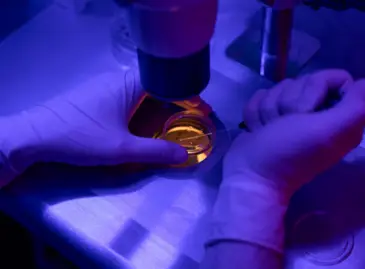
Embryo freezing involves preserving fertilized eggs at extremely low temperatures for future use. After eggs are collected and fertilized during an IVF cycle, the embryos are cryopreserved using a rapid-freezing method called vitrification. This process makes sure the embryos remain viable until they are ready to be thawed and transferred to the uterus.
Embryo freezing is often chosen by individuals or couples looking to delay childbearing or preserve fertility for medical or personal reasons. The embryos are a dependable method of planning for future pregnancies since, once frozen, they can be kept for years without losing quality.
Embryo Freezing in Turkey allows patients to explore fertility preservation through advanced reproductive technologies and personalized IVF treatment planning. The procedure involves embryo development, laboratory assessment, cryopreservation, and long-term storage under controlled conditions. Understanding these stages helps patients make informed decisions about preserving embryos for potential future pregnancy attempts.
Why Consider Embryo Freezing?
There are many reasons why embryo freezing might be the right choice:
- Medical Reasons: Patients undergoing cancer treatments, such as chemotherapy or radiation, often freeze embryos to preserve their fertility.
- Family Planning: Couples who want to delay parenthood for personal or professional reasons can secure high-quality embryos for later use.
- Backup for IVF: During IVF, multiple embryos may be created. Freezing unused embryos allows for additional attempts at pregnancy without requiring another egg retrieval cycle.
- Age-Related Fertility Decline: By preserving younger, healthier embryos for later pregnancies, embryo freezing increases the likelihood of a successful pregnancy.
The Embryo Freezing Process
Embryo freezing is a direct approach that involves several necessary steps:
- Egg Retrieval: Using a minimally invasive technique, eggs are extracted from the ovaries during an IVF round.
- Fertilization: To make embryos, the recovered eggs are combined with sperm in a lab.
- Embryo Assessment: The embryos are monitored for a few days to determine their quality and viability.
- Vitrification: A rapid-freezing technique is used to freeze viable embryos, maintaining their quality and shape by preventing the creation of ice crystals.
- Storage: Until they are needed, frozen embryos are kept secure in liquid nitrogen tanks at -196°C.
Benefits of Embryo Freezing
Among the many advantages of embryo freezing are:
- Increased Chances of Pregnancy: Freezing high-quality embryos during an IVF cycle increases the likelihood of success in future transfers.
- Flexibility in Family Planning: Individuals and couples can choose when to pursue parenthood, making it easier to align family goals with personal or professional priorities.
- Fewer Hormonal Treatments: Freezing embryos reduces the need for repeated egg retrievals and hormonal stimulation cycles.
- Backup Option: If an initial embryo transfer fails, frozen embryos provide additional opportunities for success.
Costs of Embryo Freezing in Turkey
Turkey has become a leading destination for fertility treatments, including embryo freezing, due to its combination of advanced medical care and affordability. The costs of embryo freezing in Turkey are quite lower than in many other countries, making it a great option for international patients seeking high-quality care without excessive costs.
At Istanbul Med Assist, we specialize in providing tailored fertility solutions, including comprehensive embryo freezing services. Our packages combine affordability with state-of-the-art care, ensuring patients receive excellent support throughout their fertility journey.
Factors That Influence Costs Include:
- IVF Process: The cost of egg retrieval and fertilization as part of the IVF cycle.
- Freezing and Storage Fees: Secure storage with annual maintenance charges.
- Additional Services: Consultation fees, medical evaluations, and any necessary diagnostic tests before freezing.
Success Rates and Safety
Modern advancements in embryo freezing, particularly vitrification, have significantly improved success rates. Embryos frozen through vitrification have excellent survival rates during thawing, making them highly effective for future pregnancies. The process is safe, with strict protocols in place to maintain the quality of frozen embryos.
Who Should Consider Embryo Freezing?
Embryo freezing is a valuable option for:
- Couples Undergoing IVF: Allows unused embryos to be preserved for future attempts.
- Women Facing Medical Treatments: Especially those undergoing cancer treatments or surgeries that may impact fertility.
- Individuals Delaying Parenthood: For personal, professional, or financial reasons.
- Couples Concerned About Age-Related Fertility Decline: Preserving embryos while they are younger can improve pregnancy outcomes later.
What Should Patients Know Before Embryo Freezing?
Before undergoing embryo freezing, patients should understand how the procedure fits into their overall IVF treatment plan. A fertility specialist typically evaluates reproductive health, medical history, ovarian reserve, and sperm quality to determine whether embryo cryopreservation is an appropriate option.
Embryo freezing requires fertilization to take place before storage. Following egg retrieval and laboratory fertilization, embryologists monitor embryo development and assess which embryos are suitable for freezing. The number of embryos available for cryopreservation varies depending on individual fertility factors and laboratory findings.
Patients should also discuss the expected treatment timeline, embryo storage conditions, and the procedures involved in using frozen embryos during future IVF cycles. Although vitrification has improved embryo survival after thawing, not every embryo survives the process or leads to a successful pregnancy.
Another important consideration is the consent and documentation required for embryo storage. Patients should clarify the applicable storage duration, renewal requirements, associated fees, and conditions governing future embryo use.
For international patients, understanding the regulations surrounding embryo freezing in Turkey is particularly important. Eligibility requirements and permitted uses should be confirmed with the treating fertility clinic before making travel arrangements.
Why Choose Istanbul Med Assist for Embryo Freezing in Turkey?
Istanbul Med Assist supports international patients exploring fertility preservation by helping them understand available IVF options and organize their medical journey in Istanbul. Our approach focuses on individual reproductive health concerns, medical history, fertility preservation goals, and personalized treatment planning.
Couples considering Embryo Freezing in Istanbul can benefit from coordinated fertility consultations and assistance with treatment scheduling. Since embryo freezing involves ovarian stimulation, egg retrieval, fertilization, embryo assessment, and cryopreservation, understanding the expected treatment timeline is an important part of preparing for a medical visit.
At Istanbul Med Assist, international patient coordination can include consultation arrangements, appointment scheduling, interpreter assistance when required, accommodation support, transfer coordination, and follow-up guidance. These services help patients organize their visit and communicate with the medical team throughout the fertility preservation process.
Before beginning treatment, patients should confirm their eligibility under applicable Turkish regulations and discuss embryo storage conditions, consent requirements, associated costs, and the potential future use of frozen embryos.
Istanbul Med Assist helps patients navigate these considerations while encouraging informed decisions about fertility preservation, IVF procedures, embryo storage, and realistic treatment expectations.
Conclusion
An effective method for preserving fertility, embryo freezing gives future planners flexibility and peace of mind. At Istanbul Med Assist, we combine cutting-edge medical care with patient-centered support, ensuring the highest standards are met at every step.
Whether you are undergoing IVF, preparing for medical treatment, or delaying parenthood, our team is here to guide you. With affordable costs in Turkey and advanced expertise, embryo freezing provides a reliable and effective way to secure your reproductive future.
For patients researching Embryo Freezing in Turkey, understanding treatment eligibility, IVF requirements, embryo storage conditions, consent procedures, and future fertility treatment options is an important part of the decision-making process. A personalized consultation can help clarify these considerations and support informed fertility preservation planning.