- Istanbul Med Assist
- Preclinical Alzheimer
Preclinical Alzheimer Check-Up in Turkey: Mobile Testing
Alzheimer's-related changes can develop in the brain up to 20 years before the first noticeable symptoms. With advanced blood biomarker testing, we can help identify early biological signs associated with Alzheimer's disease, even when your memory feels perfectly normal. Our team collects blood samples directly from your hotel. A Preclinical Alzheimer Check-Up in Turkey focuses on detecting specific biomarkers linked to Alzheimer's disease, supporting early risk assessment and informed discussions about brain health. Written reports are accompanied by an recorded audio explanation from our Expert. At Istanbul Med Assist, patients can explore personalized screening options based on their age, medical history, and individual risk factors. New FDA-approved treatments can slow disease progression in eligible patients.

FAQ for Preclinical Alzheimer Check-Up
You can find detailed information about the Preclinical Alzheimer, the tests included and the arrangements before traveling to Turkey. If you have additional questions, contact your Istanbul Med Assist patient representative.
- Advanced blood biomarker tests can identify biological changes associated with Alzheimer's disease before noticeable memory problems develop. However, these findings do not confirm a clinical diagnosis or predict exactly when symptoms may appear. A specialist should interpret the results alongside medical history and other assessments.
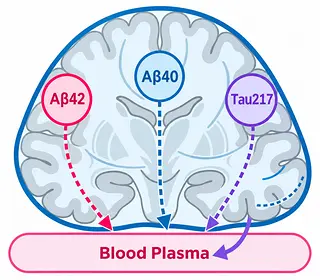
- The Preclinical Alzheimer Check-Up in Turkey includes blood biomarker testing for amyloid-beta (Aβ42/Aβ40), phosphorylated tau 217 (pTau217), and APOE genetic analysis. These tests provide information about Alzheimer's-related biological changes and genetic risk factors.
- The accuracy of Alzheimer's blood biomarker tests depends on the specific test, laboratory methods, and individual clinical circumstances. Tests such as pTau217 can provide valuable information about Alzheimer's-related pathology, but results may require further neurological evaluation or confirmatory testing.
- No. APOE genetic testing identifies inherited risk factors associated with Alzheimer's disease, but it cannot determine whether someone will develop the condition. Many people with increased genetic risk never develop Alzheimer's, while others without these variants may still be affected.
- Elevated biomarkers may indicate biological changes associated with Alzheimer's disease, but they do not automatically mean that dementia is present. A specialist may recommend cognitive assessments, neurological examinations, or confirmatory testing to better understand the findings.
What's included?
Primary Package - 700 USD
- Personal Health Assestments
- Biomarkers Alzheimer Testing
- Genetic Analysis
- Written Reports
- Recorded Specialist Feedback

Follow-up Package - 550 USD
- Personal Health Assestments
- Genetic Analysis
- Written Reports
- Recorded Specialist Feedback
Important Notes Before Your Blood Test
- Time: 7:00–10:00 AM
- Fasting: 8–12 hours; water is allowed.
- Exercise: Avoid intense activity beforehand.
- Medications: Tell our team about any regular medications.



Alzheimer’s-related changes can begin in the brain up to 20 years before the first noticeable symptoms.
Even if your memory feels perfectly normal today, certain biological changes may already be developing.
With advanced blood biomarker testing, our Preclinical Alzheimer Check-Up in Turkey helps identify early biological signs associated with Alzheimer’s disease, giving you valuable insight into your long-term brain health.
Know More Today. Protect Your Tomorrow.
Why Is Early Detection Important?
Alzheimer’s disease is associated with the abnormal buildup of two proteins in the brain: amyloid-beta and tau.
Over time, these proteins can form plaques and tangles that interfere with normal brain cell function, potentially long before memory loss, confusion, or other symptoms appear.
Today, advanced blood testing can help identify biological patterns associated with these changes, offering an opportunity to better understand your brain health before noticeable symptoms develop.
Because understanding your brain health shouldn’t have to start with memory loss.

Your Check-Up in 3 Simple Steps
STEP 1 — Personal Health Assessment
Your journey begins with a detailed medical questionnaire covering your personal health, family medical history, existing conditions, and potential Alzheimer’s risk factors. This helps our medical team understand your individual background and assess whether the check-up is appropriate for you.
Download Your Questionnaire
Please complete the questionnaire and send your answers to our team via WhatsApp. Your responses will help our specialist review your health history.
STEP 2 — Alzheimer’s Biomarker Test and Genetic Analyses
Our medical team will collect a small blood sample from you in the comfort of your hotel. This sample will then be analyzed for important markers that may indicate early Alzheimer’s-related changes in the brain:
- Amyloid-Beta (Aβ42/Aβ40)
Helps identify patterns associated with amyloid protein buildup in the brain, one of the main biological features of Alzheimer’s disease.
- Phosphorylated Tau 217 (pTau217)
Measures a protein marker associated with Alzheimer’s-related brain changes that may become abnormal years before noticeable symptoms.
- APOE Genetic Analysis
Provides information about genetic factors associated with Alzheimer’s risk and helps specialists assess certain treatment-related considerations.
Together, these markers provide valuable information about biological changes linked to Alzheimer’s disease.
STEP 3 — Results & Specialist Feedback
Your laboratory results are expected to be ready approximately 20 days after your blood sample is collected. They will be sent to you digitally as soon as they are available.
Once your results are ready, our medical specialist will review your findings alongside your personal medical history.
You will receive a recorded verbal explanation covering:
- What your results mean in simple, understandable language.
- Whether your biomarkers indicate Alzheimer’s-related biological changes.
- Whether further medical evaluation or confirmatory testing is recommended.
- What follow-up steps may be appropriate for your individual situation.

What Happens If Your Results Show Alzheimer’s-Related Changes?
If your test results suggest Alzheimer’s-related changes, our medical team will guide you through the next steps.
Additional neurological evaluations, cognitive assessments, or brain imaging may be recommended to better understand your results.
Advanced FDA-Approved Treatment Options
Recent medical advances have led to the development of FDA-approved treatments, such as Leqembi (lecanemab) and Kisunla (donanemab), which target amyloid plaques in the brain. Additionally, several promising new treatments are currently in development.
These treatments can help slow disease progression in eligible patients with early symptomatic Alzheimer’s disease.
Treatment eligibility requires further clinical evaluation, confirmation of amyloid pathology, and careful assessment by a qualified specialist.
Our goal is to help you understand your brain health as early as possible and guide you toward appropriate medical care when needed.
What’s Included in Your Preclinical Alzheimer’s Check-Up?
- Personal & Family Medical History Assessment
- Advanced Alzheimer’s Blood Biomarker Panel
- Amyloid-Beta (Aβ42/Aβ40) Analysis
- Phosphorylated Tau 217 (pTau217) Analysis
- APOE Genetic Risk Assessment
- Comprehensive Laboratory Results & Biomarker Analysis
- Personalized Verbal Explanation by Our Medical Specialist
- Individualized Medical Recommendations & Follow-Up Guidance
Follow-Up & Ongoing Monitoring
If your initial check-up results show elevated Alzheimer’s-related biomarkers or positive genetic test results, but amyloid buildup in the brain has not yet been confirmed, regular follow-up assessments are recommended to monitor any potential changes over time.
The Follow-Up Check-Up includes repeat blood biomarker testing, comparison with previous results, and personalized feedback from our medical specialist.
Unlike the initial package, APOE genetic testing is not repeated, as your genetic profile was already established during your first assessment.
Regular monitoring helps our medical team track changes and determine whether further evaluation is needed.
Why Choose Istanbul Med Assist for Your Preclinical Alzheimer’s Check-Up in Turkey?
Istanbul Med Assist supports international patients seeking advanced health assessments by helping them understand available diagnostic services and organize their medical appointments in Istanbul.
For individuals considering Preclinical Alzheimer Check-Up in Istanbul, our approach focuses on personalized medical assessments, laboratory testing coordination, and specialist guidance regarding Alzheimer’s-related biomarkers.
The check-up combines personal and family medical history assessment with blood biomarker analysis, including amyloid-beta, phosphorylated tau 217, and APOE genetic risk evaluation.
Patients receive their laboratory findings digitally, followed by a recorded verbal explanation from a medical specialist. This consultation helps clarify what the results indicate, their limitations, and whether additional neurological assessment may be appropriate.
Istanbul Med Assist can also assist international patients with appointment scheduling and practical arrangements related to their medical visit.
Our goal is to make advanced health assessments easier to understand while supporting informed decisions about long-term brain health and appropriate medical follow-up.
Take the First Step Toward Understanding Your Brain Health
You don’t have to wait for memory problems to start learning more about your brain health.
Whether you have a family history of Alzheimer’s disease or simply want to take a proactive approach to your long-term cognitive health, our medical team can help determine whether this assessment is right for you.
Your Memory Matters. Your Future Matters.