- Istanbul Med Assist
- Spinal Surgery Packages
- RFA for back and neck
Radiofrequency Ablation for back and neck pain in Turkey
Persistent neck and back discomfort can make simple daily tasks difficult. If injections, painkillers, or physical therapy have not worked for you, radiofrequency ablation (RFA) might be the solution. This minimally invasive technique provides long lasting comfort without requiring surgery by targeting the nerves that produce pain. By focusing on the nerves that cause pain, this minimally invasive procedure offers long-lasting comfort without the need for surgery. RFA is now a practical and reasonably priced choice for anyone looking for outstanding medical care in Turkey. Radiofrequency Ablation in Turkey can be considered for selected patients with chronic back or neck pain after a detailed medical evaluation. The procedure may help reduce pain signals and improve daily comfort without the need for major surgery.



FAQs for Radiofrequency Ablation (RFA)
You will find detailed information about the operation and organization you will need before coming to Turkey. You can contact your sales representative for any further questions.
- RFA works by inserting a thin probe into the affected area, where radio waves generate heat to disrupt nerve signals or destroy abnormal tissue, reducing pain or treating tumors.
- Radiofrequency ablation is commonly used to treat chronic back and neck pain, especially when caused by arthritis, nerve irritation, or spine-related issues like facet joint or sacroiliac joint dysfunction. It’s also helpful for managing pain that lingers after spine surgeries.
- Yes, it’s minimally invasive, avoids large incisions, and reduces recovery time and risks compared to major surgeries.
- RFA is a quick procedure, typically taking about an hour, depending on the treatment area. Most patients return home the same day.
- The cost of radiofrequency ablation in Turkey varies based on the clinic, doctor’s experience, and treatment complexity.
Your health is important to us. Before scheduling a cancer screening and exam, we always review your medical history. Our goal is to eliminate all risks by customizing your premium full body health check program based on your medical history.






Understanding the Radiofrequency Ablation Procedure
Radiofrequency ablation (RFA) uses heat generated by radiofrequency energy to target specific nerves involved in transmitting pain signals. During the procedure, a thin, needle-like probe is positioned near the targeted nerve, and controlled heat is applied to reduce its ability to transmit pain signals.
This approach can be used for selected patients with chronic neck, lower back, or joint pain. Conditions associated with facet joints, sacroiliac joint dysfunction, and certain persistent pain conditions may be evaluated for RFA when appropriate.
For patients considering Radiofrequency Ablation in Turkey, a pain specialist first evaluates the source of the pain and determines whether the targeted nerves are suitable for this treatment. The duration and degree of pain relief can vary considerably between patients, and nerve function may gradually return over time.
What to Expect During the Procedure
Radiofrequency ablation is typically performed as an outpatient procedure, meaning many patients can return home on the same day. The medical team may use a local anesthetic to numb the treatment area before guiding a thin probe toward the targeted nerve with imaging assistance, such as fluoroscopy.
Controlled radiofrequency energy is then applied to the targeted area to reduce the nerve's ability to transmit pain signals. The procedure may take approximately 30 to 60 minutes, although the exact duration depends on the number and location of nerves being treated.
Some patients may experience improvement relatively soon after treatment, while others notice changes more gradually. Mild soreness or discomfort around the treatment site can occur during the early recovery period.
Patients undergoing RFA in Turkey should follow their doctor's instructions regarding activity, medications, wound care, and follow-up after the procedure.
Why Choose Radiofrequency Ablation for Pain Relief?
One of the potential advantages of RFA is that it provides a minimally invasive treatment option without requiring major spine surgery. Instead of changing the structure of the spine, the procedure targets selected nerves associated with pain transmission.
Potential benefits may include:
- A minimally invasive approach.
- A relatively short procedure time.
- Limited recovery time compared with major surgery.
- Reduced reliance on some pain-management strategies for selected patients.
- The possibility of repeating treatment if symptoms return and the specialist determines that another procedure is appropriate.
RFA does not provide the same results for every patient. The effectiveness and duration of pain relief depend on the underlying condition, the nerves involved, previous treatments, and individual response to the procedure.
How Much Does Radiofrequency Ablation in Turkey Cost?
The cost of Radiofrequency Ablation in Turkey varies according to the patient's condition and treatment requirements. International patients may consider Turkey because treatment costs can be more accessible than comparable procedures in some other countries.
Factors that can affect the total cost include:
- Number of nerves or areas being treated.
- Location of the targeted nerves.
- Diagnostic examinations required before treatment.
- Imaging guidance used during the procedure.
- Hospital or medical facility services.
- Specialist evaluation and follow-up requirements.
- Additional pain-management services included in the treatment plan.
Patients should consider the complete treatment plan rather than comparing the procedure price alone. A medical assessment can help determine whether RFA is appropriate and provide a more individualized cost estimate.
Why Choose Turkey for RFA Treatment?
Turkey provides international patients with access to pain-management specialists, diagnostic imaging, and medical facilities offering minimally invasive procedures.
Patients researching RFA in Turkey may consider several factors when planning treatment:
- Access to medical facilities equipped for image-guided procedures.
- Specialist evaluation before treatment.
- Treatment costs that may be more accessible than in some other countries.
- Coordination services for international patients.
- Assistance with accommodation, airport transfers, and local transportation depending on the selected treatment package.
The suitability of RFA should always be determined through medical evaluation rather than cost or destination alone.
Why Choose Istanbul Med Assist for Radiofrequency Ablation in Turkey?
Istanbul Med Assist helps international patients coordinate their RFA treatment journey according to their individual condition and pain-management needs. The process can begin with a review of medical reports, previous treatments, imaging results, current medications, and information about the location and duration of the patient's pain.
Depending on the individual treatment plan, Istanbul Med Assist can assist with:
- Specialist consultations and medical evaluations.
- Diagnostic examinations when required.
- Coordination of the RFA procedure.
- Hospital or medical facility arrangements.
- Follow-up planning after treatment.
- Travel, accommodation, airport transfers, and local coordination depending on the selected package.
The medical team evaluates whether radiofrequency ablation is appropriate based on the source of pain and the nerves involved. This coordinated approach also helps international patients understand the planned procedure, expected recovery process, and services included in their treatment plan before traveling.
Conclusion
Radiofrequency ablation can provide a minimally invasive pain-management option for selected patients with persistent neck, back, or joint pain. By targeting specific nerves involved in transmitting pain signals, the procedure may help manage symptoms without requiring major surgery.
The results and duration of pain relief vary between patients, making an individualized medical assessment important. Patients considering RFA should discuss the underlying cause of their pain, previous treatments, potential benefits, possible risks, and expected recovery with a qualified specialist before deciding whether the procedure is appropriate.


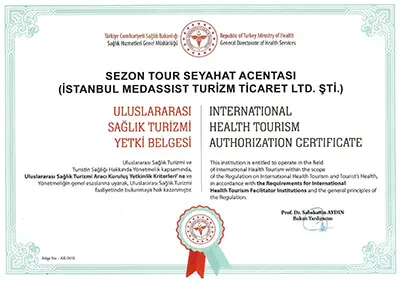
Istanbul Med Assist is a registered Tursab Association-A travel agency with the authority to conduct health tourism in Türkiye and is also an official member of Health Türkiye.
Your treatment will take place at a health tourism certificated facility.
Küçükbakkalköy Mahallesi Merdivenköy Yolu Caddesi CZD Plaza No:12 Kat: 6 34750
Ataşehir / Istanbul, Turkey