Gastroscopy for Gastric Reflux and Ulcer Care
A gastroscopy is the standard test for gastric reflux and ulcers, because it lets the doctor look straight at the lining of the esophagus, stomach and upper small intestine and see what acid or infection has actually done there. The examination takes less than 15 minutes under light sedation or a throat-numbing spray, and small tissue samples can be taken during it to check for H. pylori or precancerous change. Patients go home the same day, and before booking it makes sense to confirm whether sedation, biopsy and laboratory analysis are all included in the quoted price. Short waiting times and lower costs are the main reasons international patients travel to Istanbul or Ankara for a gastroscopy for gastric reflux and ulcer care. Many people experience occasional heartburn or stomach pain and brush it off as simple indigestion. But when these symptoms become frequent or intense, they might point to something more profound, such as gastric reflux or an ulcer. One of the most effective ways to find the cause is through a gastroscopy, a simple test that lets doctors look directly into your stomach and esophagus. This safe, quick medical test helps detect problems early, ensuring patients receive the proper treatment before minor issues become serious.

What Is a Gastroscopy Procedure?
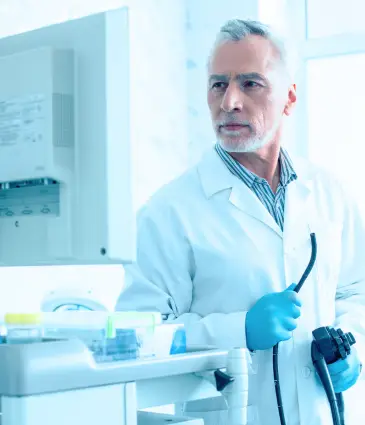
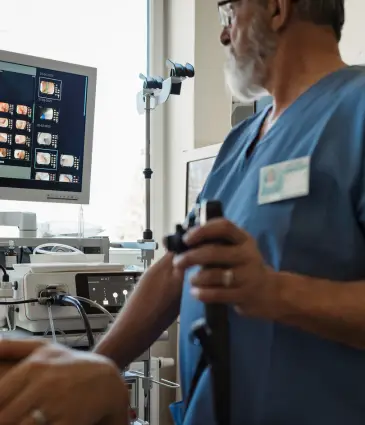
A gastroscopy, also called an upper endoscopy, is a medical test that examines the inside of your upper digestive system. The medical professional carefully inserts a thin, flexible tube with a miniature camera at the end into your mouth and into your stomach, esophagus, and upper small intestine. This camera gives a real-time, detailed view of the inner lining of your digestive tract. It helps detect inflammation, ulcers, bleeding, infections, or even early signs of cancer. The procedure is done under light sedation or with a throat-numbing spray to ensure comfort. Most people describe it as mildly uncomfortable but not painful.
Why It’s Important for Gastric Reflux
Gastric reflux, or GERD (Gastroesophageal Reflux Disease), happens when stomach acid repeatedly flows back into the esophagus, causing irritation and burning. While mild reflux can often be managed with medication, chronic reflux can damage the esophagus lining and lead to more serious conditions. The gastroscopy procedure helps doctors see precisely how much damage has been caused by acid. It can reveal redness, swelling, or esophageal erosion. In some cases, doctors may take small tissue samples (biopsies) to check for infection or precancerous changes. Your doctor can suggest the best course of action, such as more potent acid-reducing drugs or lifestyle modifications, to safeguard your digestive system by determining the underlying cause of your symptoms.
How Gastroscopy Helps with Ulcer Care
Stomach ulcers are open sores that form when acid eats through the stomach’s protective lining. They often develop due to H. pylori infection or long-term use of painkillers like ibuprofen. Left untreated, ulcers can cause severe pain, internal bleeding, or even perforation of the stomach wall. A gastroscopy procedure allows doctors to accurately locate ulcers, determine their size, and assess their severity. They can also take a small biopsy to confirm infection or rule out cancer. Once the cause is known, treatment can be started right away, such as antibiotics to eliminate H. pylori bacteria or medication to reduce acid secretion and help the ulcer heal faster. Regular follow-up gastroscopies may be used to check healing progress.
What to Expect During the Procedure
Before a gastroscopy procedure, you’ll be asked to fast for several hours so your stomach is empty. Once in the clinic, you’ll be given a mild sedative or a throat-numbing spray. The doctor then gently inserts the endoscope through your mouth. The test usually takes less than 15 minutes, and most patients don’t feel any pain; they feel mild pressure or a strange sensation in the throat. After the procedure, you’ll rest briefly as the sedative wears off. You can usually go home the same day, though it’s best to have someone accompany you.
After the Gastroscopy: Understanding Results
Your doctor may discuss initial findings right after the test. If a biopsy was taken, the results will take a few days. Typical findings include mild inflammation, reflux-related irritation, or ulcers. Based on the results, treatment may include acid-suppressing medications, antibiotics, or dietary and lifestyle changes. The main goal is to reduce acid production, heal any damage, and prevent future flare-ups.
Costs of Gastroscopy in Turkey
Turkey is internationally recognized for its modern healthcare system and skilled gastroenterologists who use cutting-edge, high-definition endoscopic equipment for gastroscopy procedures. Compared to many Western countries, the procedure in Turkey is more affordable while maintaining international quality standards. In places like Istanbul and Ankara, hospitals and clinics provide attentive service, quick wait times, and a comfortable experience. Turkey is a popular destination for accurate diagnosis and digestive care due to its combination of cutting-edge technology, qualified personnel, and affordable prices.
Conclusion: Seeing Clearly, Healing Better
Gastroscopy is a powerful diagnostic tool that helps doctors understand what’s happening inside your stomach and esophagus. Whether you’re struggling with gastric reflux, ulcers, or unexplained stomach pain, this test provides clear answers and guides effective treatment. With early detection and the proper medical care, most patients recover quickly and prevent future problems. And with expert facilities available in Turkey, getting a gastroscopy has never been easier or more accessible. A clear look inside today could mean a healthier, more comfortable tomorrow.
Frequently Asked Questions About Gastroscopy
1. Is a gastroscopy painful?
Most patients describe it as mildly uncomfortable rather than painful. You are given either a mild sedative or a spray that numbs the throat, and the sensation people notice most is pressure or a strange feeling at the back of the throat. The whole test is usually over in under 15 minutes.
2. How long do I have to fast before the test?
You will be asked to stop eating for several hours beforehand so the stomach is empty and the camera can see the lining clearly. The clinic will give you exact timings, including what to do about regular medication and clear fluids. Turning up without fasting properly normally means the appointment has to be rescheduled.
3. When do biopsy results come back?
The doctor can often tell you what was seen on the camera straight after the procedure. If tissue samples were taken, the laboratory report generally takes a few days. Treatment for something obvious, such as reflux damage or an ulcer, is often started before the biopsy result arrives.
4. Is a gastroscopy the same thing as an upper endoscopy?
They are the same test under two names. Gastroscopy is the term used most often when the focus is the stomach and esophagus, and upper endoscopy is the broader description. Both refer to a thin flexible tube with a camera passed through the mouth into the upper digestive tract.
5. Will I need a second gastroscopy after ulcer treatment?
Sometimes. Doctors often repeat the test to confirm that an ulcer has healed, especially a large one or one where a biopsy raised questions. If the first gastroscopy only showed mild irritation from reflux, a repeat is usually unnecessary unless symptoms come back or change.
- Addiction ( 34 )
- Bariatric ( 7 )
- Cardiology ( 15 )
- Check-up ( 74 )
- Ear Nose & Throat ( 1 )
- Eye Care ( 4 )
- General Surgery ( 6 )
- Gynecology ( 7 )
- Hair Transplant ( 6 )
- Hematology ( 2 )
- IVF ( 22 )
- Longevity ( 25 )
- Neurosurgery ( 7 )
- Oncology ( 15 )
- Orthopedics ( 12 )
- Physiotherapy ( 1 )
- Plastic & Beauty ( 10 )
- Transplantation ( 4 )
- Urology ( 10 )