How Successful Are Stem Cell Transplants for Hair Loss
Stem cell-based treatments for hair loss have shown promising results in early clinical research, particularly for androgenetic alopecia, but there is not yet a single established success rate that applies to every patient or treatment method. Outcomes can vary according to the type and stage of hair loss, the regenerative product used, treatment protocol, and individual characteristics. Current research suggests potential improvements in hair density and follicle activity, but larger and longer-term studies are still needed before these treatments can be considered established alternatives to standard hair-loss therapies.
Introduction
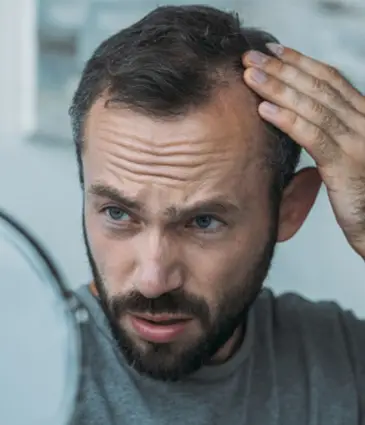
Hair loss is one of the most common concerns for both men and women. It doesn’t just affect appearance; it can also lower confidence and self-esteem. While conventional hair transplants, such as FUE and DHI, have been around for years, science is now exploring a new frontier: stem cell transplants for hair. This innovative technique focuses on regenerating hair naturally rather than simply relocating it.
What Is a Stem Cell Transplant for Hair?
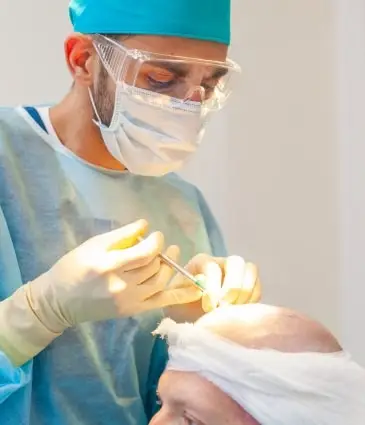
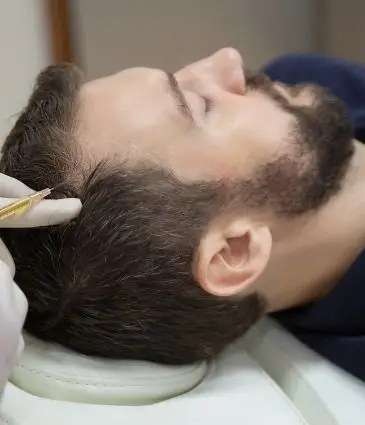
Unlike conventional hair transplants, which involve removing healthy follicles from one area and transplanting them to balding areas, stem cell therapy takes a different approach. It uses stem cells, special cells that can regenerate and repair tissue, to stimulate dormant follicles and encourage new hair growth. Doctors may use stem cells derived from the patient’s own body (such as fat tissue or bone marrow) or advanced exosomes derived from mesenchymal stem cells. These are injected into the scalp to release growth factors that repair follicles, improve circulation, and promote healthier hair growth. This means instead of simply moving existing hair, stem cell therapy helps the body grow new strands naturally. For patients considering hair transplant in Turkey, stem cell therapy may also be explored as a complementary approach to support scalp and follicle health.
How Successful Is Stem Cell Therapy for Hair Loss?
The success of stem cell transplant for hair is one of the most exciting yet carefully debated topics in medical research. Early studies and real-world results have shown promising outcomes:
- Many patients notice new hair growth within 3 to 6 months after treatment.
- Hair density often continues to improve up to 12 months.
- Some studies suggest significant increases in follicle activity, with results comparable to or even superior to those of platelet-rich plasma (PRP) therapy.
- However, it’s important to note that stem cell treatments for hair in Turkey are still considered relatively new. Large-scale, long-term studies are ongoing, and while results are encouraging, success rates vary depending on the patient.
Factors That Influence Success
Not everyone will respond to stem cell therapy in the same way. Several factors play a role in determining how effective it is:
- Stage of Hair Loss: Individuals in the early to moderate stages of hair loss often achieve better results than those with complete follicle loss.
- Type of Stem Cells Used: Some clinics use the patient’s own stem cells, while others rely on donor-derived exosomes. Each approach has its strengths.
- Delivery Method: Stem cells can be injected directly into the scalp or combined with microneedling for deeper penetration.
- Overall Health: Smoking, poor diet, or medical conditions can reduce the body’s ability to regenerate tissue.
Comparing Stem Cell Transplant with Other Treatments
Many people wonder how stem cell therapy stacks up against other hair restoration methods.
- Versus Conventional Hair Transplant (FUE/DHI): Conventional surgery relocates existing follicles and usually guarantees permanent results, but it requires downtime and may leave minor scarring. Stem cells, on the other hand, focus on regeneration and leave no scars, but results may vary.
- Versus PRP Therapy: Growth factors from the patient's blood are used by platelet-rich plasma to promote hair growth. Stem cells go further by regenerating tissue, which may produce stronger and longer-lasting results.
- As a Complementary Treatment: Many clinics now combine PRP, exosomes, and stem cells to achieve the best outcomes.
How Long Do Results Last?
Patients typically begin to notice early signs of hair regrowth around 3 to 4 months after treatment. Over the course of a year, hair thickness and density improve. While results can last for years, some patients may require follow-up treatments to maintain volume similar to other regenerative therapies. The advantage is that stem cell therapy doesn’t just cover bald spots; it actually improves the health of the scalp, meaning future hair loss may slow down as well.
Patient Experiences and Expectations
Many patients describe stem cell therapy as a minimally invasive and comfortable procedure. Since it usually requires only injections, recovery time is short, and most people return to their everyday lives the same day. Still, expectations should remain realistic. Stem cell transplant for hair is not a miracle cure. It works best for people with thinning hair rather than those who are completely bald. Success often means fuller, denser hair, not a completely new hairline.
Costs and Availability in Turkey
Cost is often a major consideration when thinking about hair restoration. Stem cell hair therapy can be highly costly in Western nations, which prevents many people from accessing these advanced treatments. However, Turkey has emerged as a leading destination for hair restoration, offering excellent medical care at more reasonable costs. With experienced specialists, modern clinics, and comprehensive medical services, Turkey attracts patients from around the world who are looking for both quality and value. Istanbul Med Assist helps international patients access trusted hair restoration clinics in Turkey, providing professional support throughout the treatment journey, from consultation and clinic coordination to travel and aftercare.
Stem cell therapy's prospects for treating hair loss
Research into stem cell therapies is moving fast. Scientists are exploring ways to use lab-grown hair follicles, gene-edited stem cells, and enhanced exosome formulations that may revolutionize the treatment. Within the next decade, stem cell transplants for hair restoration could become the gold standard.
Conclusion
Stem cell transplant for hair is one of the most promising innovations in the fight against hair loss. Regenerating hair naturally offers hope for those who prefer not to undergo surgery or seek alternatives beyond Conventional methods. Success rates are encouraging, and research is expanding its potential, though it’s still evolving and not guaranteed for everyone. For now, patients considering the treatment should choose experienced clinics, set realistic expectations, and understand that stem cell therapy is about regeneration, not just replacement.
Frequently Asked Questions About Stem Cell Hair Treatment
1. How Successful Are Stem Cell Transplants for Hair Loss?
Stem cell-based hair treatments have produced encouraging findings in early studies, including improvements in hair density and regeneration in some patients. However, published research remains heterogeneous, and there is currently no universally accepted success percentage for stem cell hair treatment. Larger and more representative clinical studies are needed to determine its long-term effectiveness.
2. Can Stem Cell Therapy Regrow Lost Hair?
Stem cell-based approaches are being investigated for their potential to stimulate existing hair follicles and promote hair regeneration. Research suggests potential benefits in androgenetic alopecia, but results vary and the long-term effects are not yet fully established.
3. Is Stem Cell Hair Treatment Better Than PRP?
There is not enough high-quality evidence to conclude that stem cell therapy is universally better than PRP for hair loss. Both regenerative approaches have been studied for hair restoration, but treatment protocols and patient populations vary considerably, making direct comparisons difficult.
4. How Long Does It Take to See Results From Stem Cell Hair Therapy?
The timing of improvement varies according to the type of regenerative treatment, the underlying cause of hair loss, and individual response. Clinical studies have evaluated changes over several months, but there is no standardized timeline that applies to every stem cell-based hair treatment.
5. Are Stem Cell and Exosome Treatments for Hair Loss FDA-Approved?
Regulatory status depends on the specific product and country. In the United States, the FDA warns that many regenerative medicine products marketed as stem cell or exosome therapies are unapproved, and the agency states that there are currently no FDA-approved exosome products. Patients should therefore verify the regulatory status of the specific product being offered before treatment.
- Addiction ( 34 )
- Bariatric ( 7 )
- Cardiology ( 15 )
- Check-up ( 72 )
- Ear Nose & Throat ( 1 )
- Eye Care ( 4 )
- General Surgery ( 6 )
- Gynecology ( 7 )
- Hair Transplant ( 6 )
- Hematology ( 2 )
- IVF ( 21 )
- Longevity ( 24 )
- Neurosurgery ( 7 )
- Oncology ( 15 )
- Orthopedics ( 12 )
- Physiotherapy ( 1 )
- Plastic & Beauty ( 10 )
- Transplantation ( 4 )
- Urology ( 10 )