How Do You Treat Squint (Strabismus)?
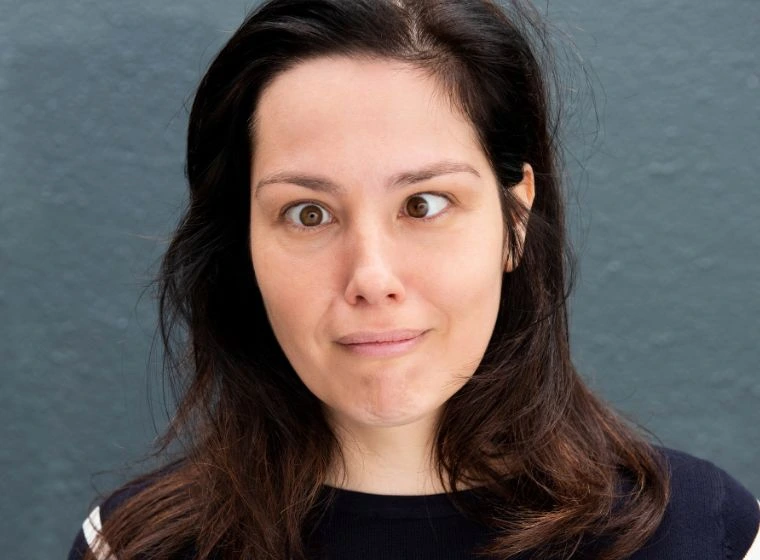
Squint, or strabismus, is a condition where the eyes are misaligned. One eye may look upward, downward, inward, or outward, while the other eye stares directly ahead. Squint can affect vision and quality of life, but it is treatable with the right approach. Treatments range from glasses and exercises to squint surgery for more severe cases. Early intervention is critical to restoring proper eye alignment and preventing complications.

What Causes Squint?
Squint takes place when the muscles controlling eye movement do not work together correctly. Common causes include:
- Genetics: A family history of squint increases the likelihood.
- Refractive Errors: Uncorrected nearsightedness or farsightedness can strain the eyes and cause misalignment.
- Nerve or Muscle Problems: Issues with the muscles or nerves controlling the eyes can lead to squint.
- Injuries or Medical Conditions: Head trauma or conditions like cerebral palsy may result in squint.
Diagnosing Squint
Accurate diagnosis is essential to decide on the best treatment, whether it’s non-surgical options or squint surgery. The process includes:
- Visual Acuity Test: Measures how well each eye can see.
- Corneal Light Reflex Test: Checks how light reflects off the surface of the eyes to detect misalignment.
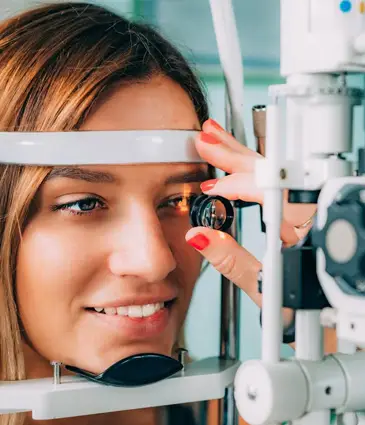
- Cover Test: Observe eye movement when one eye is covered and uncovered.
- Advanced Imaging: Used in complex cases to examine the muscles and nerves controlling eye movement.
Non-Surgical Treatments for Squint
Non-surgical options can correct squint in many cases, especially in children. These treatments focus on improving eye alignment and coordination.
Glasses or Contact Lenses
- Correct refractive errors that may cause squint.
Patching Therapy
- The weaker eye is strengthened by applying a patch over the stronger eye.
Vision Therapy
- Exercises to train the eyes to work together and improve coordination.
Botox Injections
- Temporarily relax overactive eye muscles to align the eyes. This is often an alternative to squint surgery, especially in adults.
Squint Surgery: An Effective Solution
When non-surgical methods are not enough, squint surgery is recommended to correct the misalignment. It is a very successful surgery that enhances appearance and vision.
When is Squint Surgery Needed?
- If the squint is severe and affects vision or quality of life.
- When non-surgical treatments fail to correct the alignment.
- In cases where squint causes double vision or significant eye strain.
How is Squint Surgery Performed?
- Adjusting Eye Muscles: The surgeon repositions or tightens the eye muscles to improve alignment.
- General or Local Anesthesia: Surgery is typically done under general anesthesia for children and local anesthesia for adults.
- Adjustable Sutures: In some cases, the alignment can be fine-tuned after the surgery using adjustable sutures.
Recovery After Squint Surgery
- Recovery is usually quick, with minor discomfort and redness for a few days.
- Regular follow-up appointments ensure proper healing and alignment.
- Most patients return to their regular activities within a week.
Squint surgery has a high success rate and can significantly enhance both vision and confidence.
Costs of Squint Treatment in Turkey
The costs in Turkey for squint treatments, including squint surgery, are much more affordable compared to other countries. This affordability makes Turkey a popular destination for high-quality and cost-effective care.
The exact cost depends on the treatment needed. Non-surgical methods like glasses or vision therapy are generally less expensive, while surgical options like squint surgery may cost more but provide permanent results.
Why Treat Squint Early?
Early treatment of squint is vital to avoid long-term complications. In children, untreated squint can lead to amblyopia (lazy eye), when persistent visual loss results from the brain not responding to signals from the misaligned eye. Adults with squint may experience:
- Double vision.
- Eye strain and headaches.
- Reduced confidence due to the cosmetic appearance of misaligned eyes.
Treating squint early improves vision, eye coordination, and overall quality of life. Whether through glasses, exercises, or squint surgery, addressing the issue promptly ensures better outcomes.
Conclusion
Squint is a treatable condition, and modern advancements in both non-surgical treatments and squint surgery have made it easier than ever to restore proper eye alignment. initial diagnosis and treatment are key to preventing complications and improving vision.
With affordable costs in Turkey, squint treatment is accessible to many, offering world-class care at reasonable prices. If you or a loved one has squint, consult a specialist to explore the best treatment options and take the first step toward better vision.
- Addiction ( 34 )
- Bariatric ( 7 )
- Cardiology ( 15 )
- Check-up ( 74 )
- Ear Nose & Throat ( 1 )
- Eye Care ( 4 )
- General Surgery ( 6 )
- Gynecology ( 7 )
- Hair Transplant ( 6 )
- Hematology ( 2 )
- IVF ( 22 )
- Longevity ( 25 )
- Neurosurgery ( 7 )
- Oncology ( 15 )
- Orthopedics ( 12 )
- Physiotherapy ( 1 )
- Plastic & Beauty ( 10 )
- Transplantation ( 4 )
- Urology ( 10 )