Angioplasty and Stent Procedures in Turkey
Angioplasty and Stent Procedures in Turkey are minimally invasive cardiovascular treatments used to restore blood flow through narrowed or blocked coronary arteries in appropriately selected patients. During coronary angioplasty, also known as percutaneous coronary intervention (PCI), a catheter and balloon are used to open the affected artery, and a stent is often placed to help keep it open. The need for angioplasty and the type of stent depend on the location and severity of the blockage, symptoms, overall cardiovascular health, and the cardiologist’s assessment. Heart disease continues to rank among the world's most common causes of health issues. Arteries that are too thin or obstructed make it difficult for blood to reach the heart. This is where angioplasty and stent procedures play a life-saving role. In recent years, Turkey has become a preferred destination for patients who need advanced heart treatments, thanks to its combination of modern hospitals, skilled cardiologists, and affordable medical costs.

What is Angioplasty?
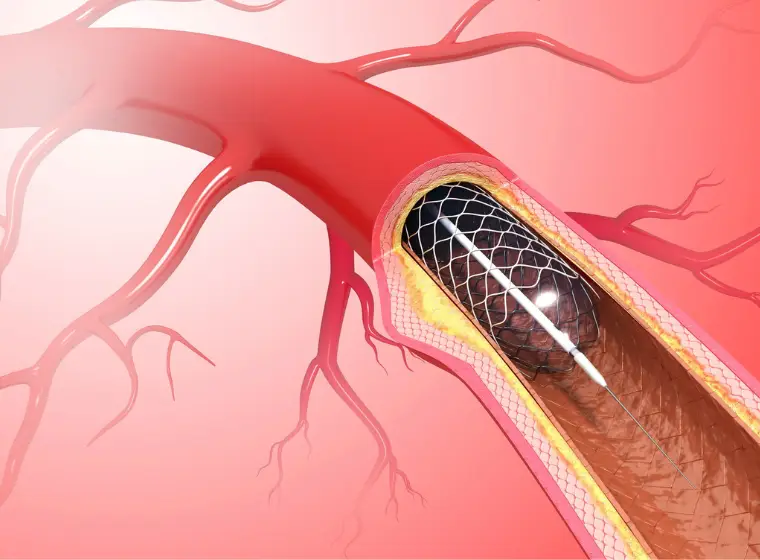
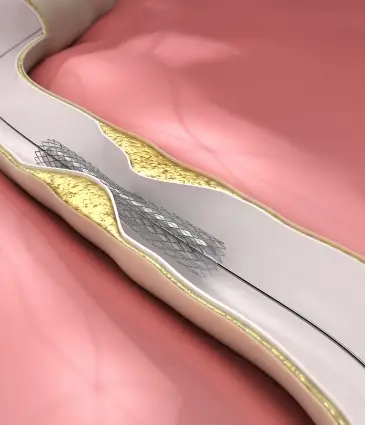
A minimally invasive technique called angioplasty is performed to widen or unblock clogged arteries. Physicians use a catheter, which is a narrow tube with a small balloon at its tip. After being gently inserted into the clogged artery, the balloon is inflated. Blood might flow more freely as a result of the fatty deposits being forced against the arterial wall. In many cases, angioplasty is followed by the placement of a stent to keep the artery open. This procedure is usually recommended for people who experience chest pain (angina), shortness of breath, or who are at risk of a heart attack due to severe artery narrowing.
Understanding Stent Procedures
A tiny, mesh-like tube composed of metal or other unique materials is called a stent. After the artery is widened with angioplasty, a stent is inserted to maintain the artery's open position. This prevents it from narrowing again in the future.
Types of Stents
There are different types of stents:
- Bare-metal stents – the basic form of support.
- Drug-eluting stents – coated with medication that prevents the artery from closing again.
- Bioresorbable stents – designed to dissolve naturally over time.
The choice of stent depends on the patient’s health condition, age, and the doctor’s recommendation.
Why Choose Turkey for Angioplasty and Stent?
Turkey has earned a strong reputation for advanced heart care. Several factors make it an attractive choice for patients worldwide:
- Internationally certified hospitals equipped with the most advanced technology.
- Experienced cardiologists who often train and work abroad before practicing in Turkey.
- Costs are reasonable without sacrificing quality, and they are much less than those in the US or Western Europe.
- Personalized care, ensuring that international patients feel supported before, during, and after the procedure.
The Procedure in Turkey: Step by Step
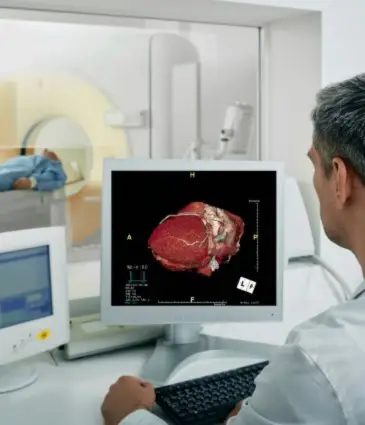
The process typically begins with diagnostic tests, such as angiography, CT scans, or blood tests, to assess heart health. Once the decision to undergo angioplasty and stent placement is made, patients are prepared for the procedure.
Preparation
Patients may receive local anesthesia and mild sedation.
Procedure
A catheter is guided to the blocked artery after being placed, typically through the wrist or groin. After the balloon expands the artery, the stent is inserted.
Completion
The catheter is removed, and patients are monitored for a short period in the hospital. The procedure itself often takes one to two hours, and most patients can return home within a couple of days.
Recovery and Aftercare
Recovery from angioplasty and stent placement is usually quicker compared to open-heart surgery. Patients may need to stay in the hospital for one or two nights for observation. To prevent blood clots and reduce the risk of further blockages, doctors typically prescribe medication after discharge. Lifestyle changes also play an important role in recovery. A heart-healthy diet, regular exercise, quitting smoking, and stress management are all factors in long-term success. Turkish hospitals help patients adjust to their new lifestyle more easily by providing thorough aftercare plans.
Costs in Turkey
The price of angioplasty and stent operations in Turkey is a major factor in patient travel. While the same treatment in the United States or Western Europe can cost tens of thousands of dollars, the cost in Turkey is often much lower. Prices usually include consultations, the procedure itself, hospital stay, and post-operative care. This makes Turkey a cost-effective choice without sacrificing quality or safety.
Risks and Safety
Risks associated with stent installation and angioplasty include re-narrowing of the arteries, infection, and bleeding. To ensure safe treatment, Turkish hospitals utilize cutting-edge technology and employ qualified professionals in accordance with stringent international standards.
Life After Angioplasty and Stenting
Most patients notice a significant improvement in their quality of life after the procedure. Symptoms such as chest pain and fatigue often decrease, allowing them to return to normal activities. With proper medication and lifestyle changes, patients can enjoy long-term heart health.
Conclusion
People with blocked arteries can prevent major consequences like heart attacks by undergoing angioplasty and stent surgeries. Turkey has established itself as a reliable location for this life-saving operation thanks to its cutting-edge medical facilities, skilled cardiologists, and reasonably priced therapy. Selecting Turkey combines first-rate medical care with a more seamless and encouraging recuperation process.
Frequently Asked Questions About Angioplasty and Stent Procedures in Turkey
1. What Is the Difference Between Angioplasty and a Stent?
Angioplasty, or PCI, opens a narrowed or blocked coronary artery, usually with a balloon attached to a catheter. A coronary stent is a small mesh tube that may be placed during angioplasty to help keep the treated artery open and reduce the chance of it narrowing again.
2. How Is an Angioplasty and Stent Procedure Performed?
During PCI, a cardiologist guides a catheter through a blood vessel, commonly from the arm or groin, toward the affected coronary artery. A balloon is inflated to widen the narrowed area, and a stent may then be expanded and left in place to support the artery.
3. How Long Does Recovery Take After Angioplasty and Stent Placement?
Recovery varies according to why the procedure was performed, the access site, overall health, and whether PCI took place during an emergency such as a heart attack. Because PCI does not involve open-heart surgery, recovery is generally shorter than after coronary bypass surgery, but patients should follow their cardiologist’s individual recommendations before resuming normal activities.
4. Do Patients Need Medication After Receiving a Coronary Stent?
Medication is an important part of care after coronary stent placement. Patients may require antiplatelet medicines to lower the risk of blood clots forming inside the stent, and these medicines should not be stopped or changed without guidance from the treating cardiology team. A stent treats a narrowed area but does not eliminate the underlying cardiovascular disease.
5. Are There Risks Associated With Angioplasty and Stent Procedures?
Yes. Although angioplasty and stent placement are minimally invasive, complications can occur, including bleeding at the catheter insertion site, artery damage, allergic reactions, blood clots, restenosis, kidney problems related to contrast material, heart attack, or other cardiovascular complications. Individual risk depends on the patient’s health and the complexity of the coronary disease.
- Addiction ( 34 )
- Bariatric ( 7 )
- Cardiology ( 14 )
- Check-up ( 70 )
- Ear Nose & Throat ( 1 )
- Eye Care ( 4 )
- General Surgery ( 6 )
- Gynecology ( 7 )
- Hair Transplant ( 6 )
- Hematology ( 2 )
- IVF ( 21 )
- Longevity ( 24 )
- Neurosurgery ( 7 )
- Oncology ( 15 )
- Orthopedics ( 11 )
- Physiotherapy ( 1 )
- Plastic & Beauty ( 10 )
- Transplantation ( 4 )
- Urology ( 9 )