IVF & Fertility Treatments in Turkey: Global Hope
IVF and Fertility Treatments in Turkey: Hope for Families Worldwide covers assisted reproductive options for eligible couples who experience difficulty achieving pregnancy naturally. IVF in Turkey may involve ovarian stimulation, egg retrieval, laboratory fertilization, embryo culture, and embryo transfer, with additional techniques considered according to individual fertility needs. For patients seeking assisted reproductive care, In Vitro Fertilization in Turkey can include evaluation of female and male fertility factors, laboratory procedures, embryo development, and personalized treatment planning. The appropriate approach depends on factors such as age, ovarian reserve, sperm parameters, reproductive history, and the underlying cause of infertility. For many couples, starting a family is an important goal, but the process can become stressful when pregnancy does not occur as expected. When initial approaches do not lead to pregnancy, couples may begin researching assisted reproductive treatments and a suitable fertility clinic abroad. Turkey is among the destinations considered by international patients seeking fertility evaluation, IVF laboratory procedures, and coordinated treatment.


Why Turkey Has Become a Fertility Hub
Turkey has developed a healthcare infrastructure that includes assisted reproductive treatment centers, embryology laboratories, gynecology services, male fertility assessment, medical genetics, and fertility-related diagnostic testing. International couples may consider Turkey because specialist consultations, monitoring, laboratory procedures, and treatment planning can take place within the same healthcare journey. However, IVF outcomes should not be evaluated solely according to a country's reputation or a clinic's headline success rate. Female age, ovarian reserve, infertility diagnosis, sperm factors, embryo development, previous treatment history, and laboratory practices can all influence outcomes. Patients comparing clinics should also understand how success rates are defined. A positive pregnancy test, clinical pregnancy, ongoing pregnancy, and live birth represent different outcomes. Comparing results by age group and treatment type provides a clearer picture than relying on a single percentage.
Understanding IVF in Simple Terms
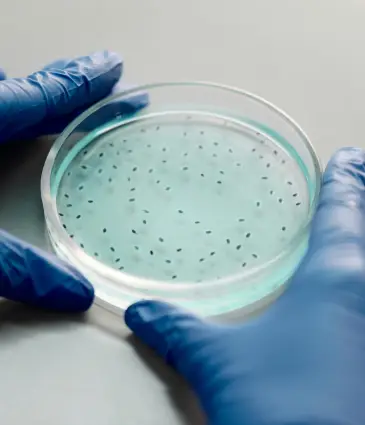
In vitro fertilization, or IVF, is an assisted reproductive treatment in which eggs and sperm are brought together in a laboratory before an embryo is transferred to the uterus. Treatment commonly begins with ovarian stimulation. Fertility medications encourage the ovaries to develop multiple follicles, while ultrasound examinations and, when necessary, blood tests help monitor the response. When the follicles reach an appropriate stage, final egg maturation is triggered and eggs are collected through an egg retrieval procedure. The laboratory then fertilizes suitable eggs using conventional IVF or another appropriate technique. Embryologists monitor embryo development before selecting an embryo for transfer. Additional suitable embryos may be frozen for possible future use when clinically appropriate and permitted within the applicable treatment framework. The exact IVF process varies between patients because ovarian response, fertility history, sperm parameters, and other individual factors influence treatment planning.
Popular Fertility Treatments in Turkey
Turkey offers different fertility treatment approaches depending on the underlying cause of infertility and the couple's reproductive circumstances.
ICSI (Intracytoplasmic Sperm Injection)
ICSI involves injecting a single sperm directly into an egg. Specialists may consider this technique in certain cases of male-factor infertility, previous fertilization difficulties, or other circumstances where conventional IVF may be less appropriate. ICSI does not guarantee fertilization or pregnancy. The fertility team selects the technique according to individual clinical findings.
Egg and Embryo Freezing
Cryopreservation allows eggs or embryos to remain stored for possible future use under appropriate circumstances. Egg freezing may provide a fertility preservation option when medically and legally appropriate. Suitable embryos created during IVF may also be cryopreserved according to applicable regulations and consent requirements. Age, ovarian reserve, reproductive plans, and medical circumstances can influence whether fertility preservation represents an appropriate option.
PGT (Preimplantation Genetic Testing)
Preimplantation genetic testing, or PGT, refers to genetic testing performed on embryos created through IVF before embryo transfer. Different types of PGT serve different purposes. PGT-M may help in cases involving certain known single-gene conditions, while PGT-SR relates to particular structural chromosome rearrangements. PGT-A evaluates embryos for chromosome-number abnormalities. PGT should not be described as a method that simply identifies a universally “healthy embryo” or guarantees pregnancy. Its role depends on the couple's medical and genetic circumstances. Modern fertility laboratories may also use technologies such as time-lapse embryo monitoring. These systems allow embryologists to observe embryo development while maintaining a controlled culture environment. However, additional technologies or IVF add-ons do not automatically increase the likelihood of pregnancy or live birth for every patient. It is also important for international patients to understand that assisted reproduction laws vary between countries. Third-party donor egg, donor sperm, and donor embryo programs are not available as IVF treatment options in Turkey under the country's assisted reproduction framework.
Why IVF Success Rates in Turkey Stand Out
People researching treatment frequently search for IVF success in Turkey, but there is no single IVF success percentage that accurately represents every patient or clinic. Age is one of the major factors influencing IVF outcomes. Ovarian reserve, sperm characteristics, infertility diagnosis, uterine factors, embryo development, previous treatment history, and laboratory practices can also affect the chance of pregnancy and live birth. This makes individualized assessment particularly important. Two patients of the same age may have different ovarian reserves, reproductive histories, sperm parameters, or causes of infertility and therefore require different treatment plans. Patients comparing fertility clinics should ask what each published success rate represents. Pregnancy rate, clinical pregnancy rate, ongoing pregnancy rate, and live birth rate are not interchangeable. It is also useful to determine whether results are reported per treatment cycle, egg retrieval, or embryo transfer and whether statistics are divided according to age group.
A Smooth Experience for International Patients
Traveling abroad for fertility treatment requires careful planning because IVF involves appointments and procedures that take place at specific stages of the treatment cycle. Clinics working with international patients may provide assistance with scheduling, medical records, communication, accommodation, and treatment coordination. Some preliminary tests may also take place before the patient travels, depending on the treatment plan. The length of stay can vary according to the ovarian stimulation protocol, individual response, egg retrieval schedule, embryo development, and whether a fresh or frozen embryo transfer is planned. Patients should not assume that every IVF cycle follows the same timeline. Before arranging flights or accommodation, international patients should receive an individualized schedule explaining when monitoring, egg retrieval, laboratory procedures, and embryo transfer are expected to take place. Male fertility assessment can also form an important part of this process. Semen analysis commonly evaluates factors such as sperm concentration, motility, and morphology. Depending on the findings, further assessment may help determine whether conventional IVF, ICSI, or another approach is appropriate.
Costs of IVF and Fertility Treatments in Turkey
The cost of IVF in Turkey varies according to the treatment protocol, medications, fertility testing, laboratory procedures, embryo culture, ICSI requirements, genetic testing when indicated, cryopreservation, and follow-up services. A basic IVF quotation may not include every element required during treatment. Patients should therefore request a detailed breakdown before comparing different fertility programs. The overall treatment plan may include fertility consultation, ultrasound monitoring, blood tests, ovarian stimulation medications, egg retrieval, anesthesia or sedation, laboratory fertilization, embryo culture, embryo transfer, and follow-up. Additional services such as ICSI, cryopreservation, storage, or appropriate genetic testing may affect the overall cost. For couples choosing a fertility clinic abroad, understanding exactly what the quoted price includes can make financial and travel planning more predictable. Cost should be considered alongside specialist qualifications, laboratory standards, individualized treatment planning, follow-up arrangements, and the suitability of the proposed treatment.
Conclusion: Hope for Families Worldwide
For couples exploring assisted reproductive treatment, IVF and Fertility Treatments in Turkey can provide access to fertility evaluation, embryology laboratory services, IVF procedures, and coordinated international patient care. The treatment journey should remain personalized because fertility outcomes depend on multiple female and male factors. Additional techniques such as ICSI, embryo freezing, or PGT have specific indications and should not automatically form part of every IVF cycle. Patients considering In Vitro Fertilization in Turkey should understand their diagnosis, proposed treatment protocol, expected timeline, laboratory procedures, potential additional treatments, and total costs before beginning the process. Choosing a fertility clinic abroad based on a complete treatment plan rather than a single success percentage can also help create more realistic expectations.
Frequently Asked Questions
1. What Does IVF in Turkey Include?
An IVF cycle may include fertility assessment, ovarian stimulation, ultrasound monitoring, egg retrieval, laboratory fertilization, embryo culture, embryo transfer, and follow-up. ICSI, cryopreservation, or genetic testing may also form part of treatment when appropriate.
2. Is ICSI Used for Every IVF Patient?
No. ICSI may be appropriate for certain male-factor infertility cases, previous fertilization difficulties, and other specific circumstances. The fertility team determines whether conventional IVF or ICSI better suits the individual case.
3. Are Donor Egg and Donor Sperm Programs Available in Turkey?
No. Third-party donor egg, donor sperm, and donor embryo programs are not available as assisted reproductive treatment options in Turkey under the country's current treatment framework.
4. Does PGT Increase IVF Success for Everyone?
No. Different types of PGT have specific purposes and indications. PGT does not guarantee pregnancy or a successful live birth, and its potential role should be assessed according to individual medical and genetic circumstances.
5. How Long Does IVF Treatment in Turkey Take?
The timeline varies according to the ovarian stimulation protocol, individual response, embryo development, and whether fresh or frozen embryo transfer is planned. International patients should receive an individualized treatment schedule before arranging their travel.
- Addiction ( 34 )
- Bariatric ( 7 )
- Cardiology ( 15 )
- Check-up ( 72 )
- Ear Nose & Throat ( 1 )
- Eye Care ( 4 )
- General Surgery ( 6 )
- Gynecology ( 7 )
- Hair Transplant ( 6 )
- Hematology ( 2 )
- IVF ( 22 )
- Longevity ( 24 )
- Neurosurgery ( 7 )
- Oncology ( 15 )
- Orthopedics ( 12 )
- Physiotherapy ( 1 )
- Plastic & Beauty ( 10 )
- Transplantation ( 4 )
- Urology ( 10 )