What Diseases Can Be Detected During a Colonoscopy
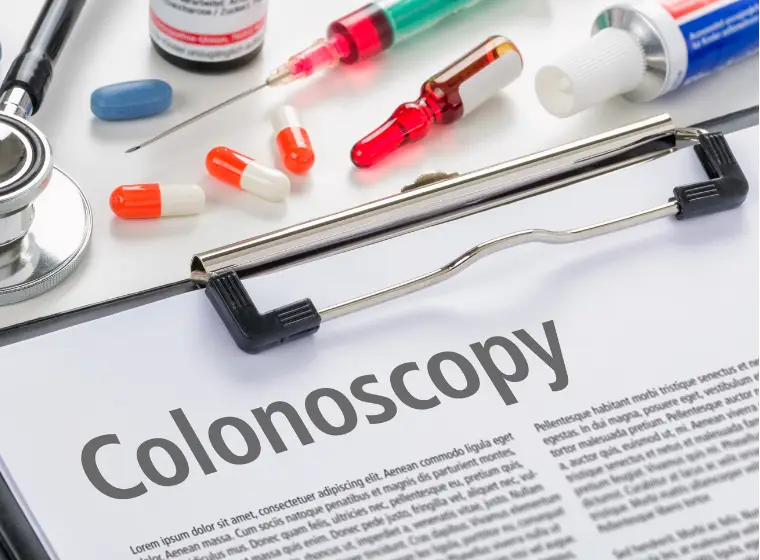
A colonoscopy can detect colon cancer, polyps and precancerous growths, inflammatory bowel disease, diverticulosis, infections, ischemic colitis and the source of unexplained bleeding or anemia. It finds them because the camera gives a direct view of the lining of the rectum and colon, and suspicious tissue can be sampled or removed on the spot, which makes the test preventive as well as diagnostic. The examination takes roughly 30 to 45 minutes under light sedation, and screening normally starts around age 45, earlier where there is a family history. Patients arranging one in Turkey should check whether sedation, polyp removal and laboratory analysis are covered by the package price, and ask the gastroenterologist beforehand to explain what diseases can be detected during a colonoscopy. Many people feel uneasy when their doctor recommends a colonoscopy, but the truth is, this simple test can save lives. The colonoscopy procedure allows doctors to look directly inside the large intestine to detect problems early, long before they become serious. From cancer to inflammation and hidden bleeding, a colonoscopy can uncover a wide range of conditions that often go unnoticed.

Understanding the Colonoscopy Procedure
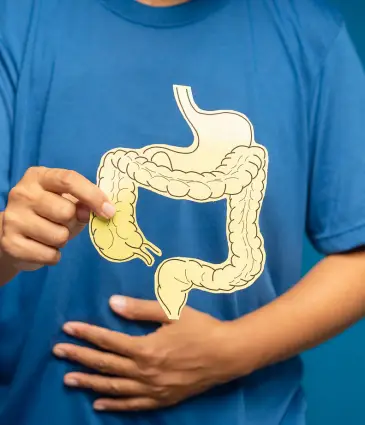
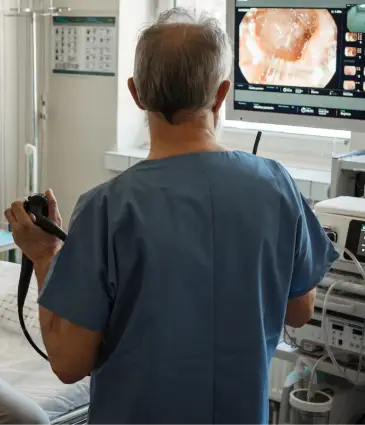
A colonoscopy is a medical procedure in which a physician uses a thin, flexible tube with a tiny camera at the end to see inside the rectum and colon. This device, called a colonoscope, gently moves through the colon, sending real-time images to a monitor. The procedure usually takes about 30–45 minutes and is performed under light sedation, so most patients remain relaxed and feel little to no discomfort. It’s considered the gold standard for detecting colon diseases and is recommended for most adults starting around age 45, or earlier if there’s a family history of colon problems.
Detecting Colon Cancer Early
A colonoscopy is crucial for the early detection of colon cancer, which often starts as harmless polyps that can become cancerous over time. With our Premium Colonoscopy Check in Turkey, doctors can identify and remove these polyps before they have the chance to develop into cancer. Regular screening is an essential preventive step, as early detection can significantly improve treatment outcomes.
Polyps and Precancerous Growths
Polyps might sound minor, but they are the most common finding during a colonoscopy. While most are benign, some can develop into cancer over time. The advantage of this procedure is that your doctor can remove any polyps on the spot. This simple step eliminates a potential future risk, often before you even realize it was there.
Inflammatory Bowel Disease (IBD)
In order to diagnose and track inflammatory bowel conditions, including Crohn’s disease and ulcerative colitis, a colonoscopy is also essential. These conditions cause ongoing inflammation in the digestive tract and can lead to pain, diarrhea, or bleeding. During a colonoscopy, the doctor can assess the colon’s wall inflammation and take small tissue samples for testing. This helps tailor treatment and track how well it’s working over time.
Diverticulosis and Diverticulitis
Another common condition found during colonoscopy is diverticulosis, tiny pouches that form in weak areas of the colon wall. Diverticulitis, which causes pain and fever, can occur if these pouches become infected or inflamed. Detecting diverticulosis early through colonoscopy enables lifestyle and dietary changes that can prevent future complications.
Sources of Bleeding or Anemia
If a person experiences unexplained anemia or rectal bleeding, a colonoscopy is often the best way to find out why. It can reveal ulcers, irritated blood vessels, or small tumors that might not be visible through other tests. Identifying and treating the source of bleeding early prevents more serious health issues later on.
Infections and Other Conditions
Sometimes, a colonoscopy can uncover infections or inflammation caused by bacteria or viruses. It may also detect ischemic colitis, a condition where blood flow to the colon is reduced. Even rare issues like colon narrowing (strictures), ulcers, or abnormal tissue growth can be identified during the same procedure.
Why Early Detection Saves Lives
The beauty of a colonoscopy lies in its preventive power. It not only diagnoses but also helps prevent disease progression. Many colon-related conditions begin silently, with no symptoms. By finding them early, treatment becomes simpler, less invasive, and far more effective. Think of it as a small investment in your long-term health, one that could make a life-changing difference.
Colonoscopy in Turkey: Safe, Advanced, and Affordable
When it comes to high-quality, affordable healthcare, colonoscopy in Turkey is a top choice. At Istanbul Med Assist, patients are supported throughout their medical journey, with access to qualified gastroenterologists and modern endoscopic technologies. Turkey is a popular destination for medical tourists, offering high-quality care at a fraction of the cost of many Western countries, combined with personalized attention and comfortable facilities. With Istanbul MedAssist, international patients can experience a seamless and reassuring healthcare journey in Turkey.
Accessible Preventive Care for All
Another reason people trust colonoscopy in Turkey is accessibility. In order to guarantee that patients receive complete care from beginning to end, several hospitals offer comprehensive packages that include consultation, sedation, and test analysis. Increasingly, people may take proactive measures to safeguard their digestive health thanks to increasingly affordable solutions.
Conclusion: A Simple Step Toward a Healthier Future
A colonoscopy isn’t something to fear; it’s something to appreciate. This quick, safe, and effective colonoscopy procedure can detect cancer, polyps, inflammation, and other hidden diseases long before they become serious. Regular screening can protect your health, extend your life, and give you peace of mind.
Frequently Asked Questions About Colonoscopy
1. At what age should I have my first colonoscopy?
Screening is generally advised from around age 45 for people at average risk. It starts earlier when there is a family history of colon cancer or polyps, or when symptoms such as rectal bleeding, a change in bowel habit or unexplained anemia appear. Your doctor will set the starting age based on your own risk rather than a fixed rule.
2. Is the procedure painful?
Light sedation is standard, so most patients feel little or nothing during the examination and many do not remember it. Some bloating or cramping afterwards is normal as air leaves the colon. Because of the sedation you should not drive yourself home, so arrange for someone to collect you.
3. What does the preparation involve?
The colon has to be completely empty for the camera to see the lining, so you follow a restricted diet for a day and drink a prescribed laxative solution beforehand. Most people find the preparation harder than the test itself. Poor preparation is the usual reason a colonoscopy has to be repeated, so follow the timings exactly.
4. What happens if a polyp is found?
In most cases it is removed during the same procedure and sent for laboratory analysis. Removing polyps is how a colonoscopy prevents cancer rather than only detecting it, since many colon cancers begin as a polyp that turned malignant over years. The lab result determines when your next test should be.
5. How often does the test need to be repeated?
If nothing is found and there are no risk factors, the usual interval is around ten years. Finding polyps, inflammatory bowel disease or a strong family history shortens that interval considerably, sometimes to three years or less. The gastroenterologist sets the date once the pathology report is back.
- Addiction ( 34 )
- Bariatric ( 7 )
- Cardiology ( 15 )
- Check-up ( 74 )
- Ear Nose & Throat ( 1 )
- Eye Care ( 4 )
- General Surgery ( 6 )
- Gynecology ( 7 )
- Hair Transplant ( 6 )
- Hematology ( 2 )
- IVF ( 22 )
- Longevity ( 25 )
- Neurosurgery ( 7 )
- Oncology ( 15 )
- Orthopedics ( 12 )
- Physiotherapy ( 1 )
- Plastic & Beauty ( 10 )
- Transplantation ( 4 )
- Urology ( 10 )