Can Squint (Strabismus) Be Corrected?
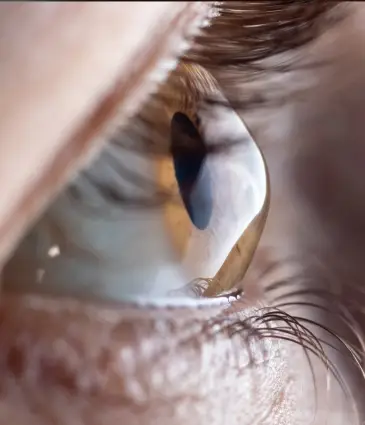
In many cases, strabismus can be corrected or significantly improved with treatments such as glasses, eye exercises, prism lenses, botulinum toxin injections, or eye muscle surgery. The most appropriate treatment depends on the type and cause of the eye misalignment, the patient’s age, and whether problems such as double vision or amblyopia are present. Both children and adults can receive treatment for strabismus. A Squint, also known as strabismus, is a condition where the eyes do not look in the same direction at the same time. One eye may face straight ahead while the other turns inward, outward, upward, or downward. This can happen in children or adults and may affect vision, confidence, and daily activities. Many people worry that a Squint cannot be fixed, but the good news is that modern eye care offers several effective solutions. In this simple guide, you’ll understand what causes a Squint, how it can be corrected, and why early treatment helps achieve the best results.


Can a Squint Be Corrected? Yes, In Most Cases
The short answer is yes. Most types of Squint can be corrected, either fully or significantly improved. The cause and the severity of the misalignment determine treatment. Some people only need glasses, while others benefit from exercises or surgery. What matters is getting the right assessment from an eye specialist who can identify the exact type of Squint you have. Children usually respond very well to treatment because their visual system is still developing. However, adults should not feel discouraged; correction is absolutely possible for them too. With modern techniques, even long-standing Squints in adults can be treated successfully.
What Causes a Squint?
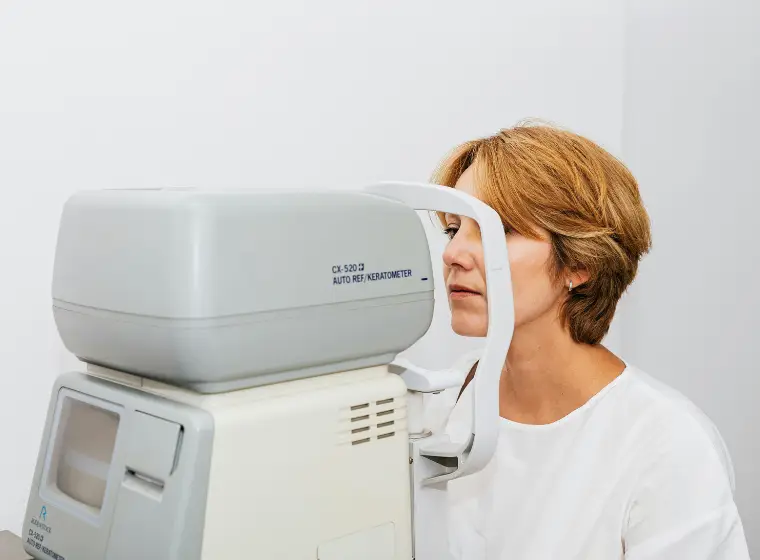
A Squint can occur for different reasons. In many children, it develops because the eye muscles are imbalanced. In others, it might be due to long-sightedness, where one eye works harder to focus and eventually turns. Sometimes, nerve problems or trauma can cause squint in adults. Understanding the cause helps doctors determine the best approach for correction. This is why a complete eye examination is so important.
Treatment Options for Squint Correction
There is no single treatment for everyone. Squint correction is personalized and may include one or more of the following approaches:
1. Glasses or Contact Lenses
If vision problems like long-sightedness or short-sightedness cause the Squint, correcting the vision can help the eyes align better. Many children improve dramatically just by wearing the right prescription.
2. Eye Patching
This method is often used in children when one eye is weaker than the other. The brain is conditioned to use the weaker eye by covering the stronger one, which enhances brain function. Although patching does not directly realign the eyes, it supports overall Squint treatment.
3. Eye Exercises (Orthoptic Therapy)
Eye exercises help train the eye muscles and improve coordination. They are useful for certain types of Squint, especially when the misalignment is mild. Not every Squint responds to exercises, but when recommended, they can be very effective.
4. Squint Surgery
Surgery is one of the most common and successful treatments for Squint. It involves adjusting the eye muscles to achieve proper alignment. The procedure is usually quick, recovery time is short, and results are often noticeable immediately. Adults and children can both undergo Squint surgery.
5. Botox Injection
Botox can temporarily relax overactive eye muscles. This helps the eyes align more easily as the weaker muscles strengthen. It is a useful option for adults or when surgery may not be the first choice.
Does Age Matter for Squint Correction?
Age matters, but both children and adults can benefit. Children typically achieve faster results because their brains can adapt easily. Adults may need additional steps, but Squint correction remains highly effective and can greatly improve appearance, comfort, and confidence.
Benefits of Correcting a Squint
Correcting a Squint offers several advantages, including better vision, improved depth perception, less eye strain, and higher self-confidence. Many people also feel more comfortable socially once their eyes appear aligned.
Squint Correction in Turkey
Turkey is becoming an increasingly common spot for eye treatments, including Squint correction. Clinics offer modern technologies, skilled ophthalmologists, and high-quality care. Treatment costs are generally more affordable than in Western countries, making it attractive to international patients. Many people also appreciate the combination of medical care with the chance to enjoy a short visit to Turkey.
Final Thoughts
A Squint can be corrected in most cases, and treatment options today are safer and more effective than ever. If you or your child has a Squint, the best first step is a full eye examination. Early diagnosis helps improve results, but it’s never too late to seek treatment. Correcting a Squint can transform both vision and quality of life.
Frequently Asked Questions
1. Can Strabismus Be Corrected Without Surgery?
Yes. Depending on the type and cause of strabismus, treatment may include glasses, prism lenses, eye exercises, patching for associated amblyopia, or other approaches. Surgery is recommended when non-surgical treatments are insufficient or when eye-muscle adjustment is necessary.
2. Can Adults Have Squint Correction?
Yes. Adults with strabismus can receive treatment even when the condition has been present for many years. Treatment may help improve eye alignment, double vision, visual function, and quality of life.
3. How Does Squint Surgery Work?
Squint surgery adjusts the muscles that control eye movement by strengthening, weakening, or repositioning them to improve alignment. Depending on the condition, surgery may involve one or both eyes.
4. Does Eye Patching Correct a Squint?
Eye patching primarily treats amblyopia, or reduced vision in one eye, rather than directly straightening the eyes. It may be included in a wider strabismus treatment plan when a child has both squint and amblyopia.
5. Can Botox Be Used to Treat Strabismus?
Yes, botulinum toxin can be used for certain types of strabismus by temporarily weakening selected eye muscles. However, it is not suitable for every patient, so an ophthalmologist must determine whether it is appropriate.
- Addiction ( 34 )
- Bariatric ( 7 )
- Cardiology ( 15 )
- Check-up ( 72 )
- Ear Nose & Throat ( 1 )
- Eye Care ( 4 )
- General Surgery ( 6 )
- Gynecology ( 7 )
- Hair Transplant ( 6 )
- Hematology ( 2 )
- IVF ( 21 )
- Longevity ( 24 )
- Neurosurgery ( 7 )
- Oncology ( 15 )
- Orthopedics ( 12 )
- Physiotherapy ( 1 )
- Plastic & Beauty ( 10 )
- Transplantation ( 4 )
- Urology ( 10 )