Meniscus Surgery: Why Athletes Choose Turkish Doctors
Athletes choose Turkish doctors for meniscus surgery because the procedure is done arthroscopically by high-volume orthopedic teams, diagnosis, operation and rehabilitation are handled in one place, and the cost is a fraction of what North American or Western European clinics charge. A meniscus operation normally takes under an hour, and most patients go home the same day. What matters more than the surgery is the plan that follows it: a repair heals slowly but protects the joint, while trimming the torn part gets an athlete moving sooner. Before booking, ask whether the surgeon intends to repair or remove the damaged cartilage, and how many weeks of physiotherapy the quoted price covers. Strength, speed, and stamina are necessary for sports, but pushing the body to its limits often comes at a price. Athletes are always at risk of knee injuries, whether on basketball courts or football fields. Among the most common and worrying of these injuries is a meniscus tear. When this small piece of cartilage is damaged, Meniscus surgery is an essential step for many athletes hoping to regain optimal performance, as it can cause discomfort, edema, and loss of motion.
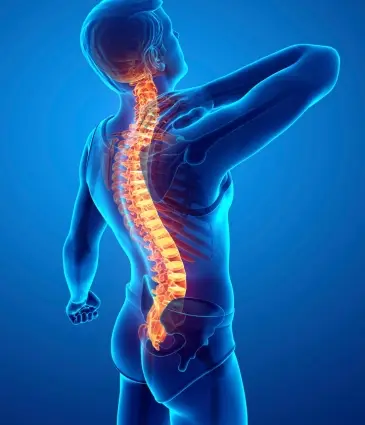

Understanding Sports Injuries
Sports injuries can affect muscles, ligaments, tendons, or bones. For athletes, even a mild injury can disrupt months of training or competition. Knee injuries are widespread because the joint absorbs heavy stress from jumping, pivoting, or sudden stops. Typical sports injuries include sprains, ACL tears, tendonitis, and, most notably, meniscus tears. While rest and physiotherapy help minor injuries, more serious cases often need surgical care to restore full function.
What Is the Meniscus and Why It Matter
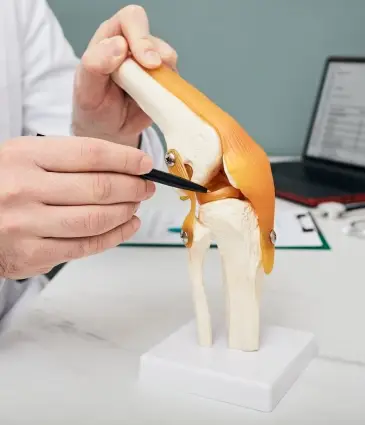
The meniscus is a crescent-shaped structure of cartilage that exists between the thigh and shin bones, or the tibia and femur. Each knee has two, one on the inner side and one on the outer side. Their role is to cushion the joint, stabilize movement, and protect bones from friction. When a sudden twist or overuse causes a tear, the knee becomes painful, swollen, and stiff. Athletes may also feel a locking sensation or hear a “pop” during movement. Without proper treatment, a torn meniscus can worsen over time, leading to long-term joint damage or early arthritis, which is why early intervention, sometimes including meniscus surgery, is vital.
How Meniscus Surgery Works
Modern meniscus surgery is minimally invasive and performed through a technique called arthroscopy. The surgeon makes tiny incisions around the knee, inserts a small camera, and uses delicate instruments to either repair or trim the damaged cartilage.
There are generally two types of procedures:
- Meniscus repair: The torn edges are stitched back together, allowing natural healing.
- Meniscectomy: Only the damaged part is removed to prevent irritation and pain.
The final choice is based on the type, size, and location of the tear. Most surgeries take less than an hour, and patients can go home the same day. With the proper rehabilitation, many athletes return to their sport within a few months.
Why Athletes Choose Turkish Doctors
Over the past decade, Turkey has become a trusted destination for orthopedic and sports medicine treatments, especially meniscus surgery. Athletes from Europe, the Middle East, and even the Americas travel to Turkey for several reasons:
- Experienced Surgeons: Turkish orthopedic doctors are internationally trained and have vast experience treating professional athletes.
- Advanced Technology: To speed up healing, clinics employ cutting-edge arthroscopy equipment and regenerative methods like stem cell therapy.
- Comprehensive Care: Diagnosis, surgery, and rehabilitation are available under one roof, ensuring a smooth, efficient process.
- Faster Recovery Programs: Turkish centers emphasize physiotherapy, muscle strengthening, and mental conditioning to help athletes return to sports more quickly.
- Affordable Excellence: Patients receive top-quality medical care at far more affordable rates than in Western Europe or the United States.
This combination of expertise, technology, and accessibility has made Turkey one of the leading countries for meniscus surgery and sports injury treatment.
Recovery and Rehabilitation
Recovery time after meniscus surgery depends on the type of procedure performed. For simple trims, athletes may start walking within a few days. For repairs, the process is slower but more sustainable in the long run.
Typical recovery stages include:
- First weeks: Reducing swelling and regaining gentle movement.
- Next phase: Strengthening muscles and improving flexibility through physiotherapy.
- Final stage: Returning to sport-specific training under medical supervision.
Turkish clinics often create personalized recovery plans that combine physiotherapy, hydrotherapy, and strength conditioning, helping athletes regain not only mobility but also confidence.
Costs of Meniscus Surgery in Turkey
The cost of meniscus surgery in Turkey varies depending on the hospital, the surgeon’s expertise, and the patient’s rehabilitation needs. It is still far less expensive than in North America or Europe, though. Pre-surgical diagnostics, surgery, post-operative care, and physiotherapy sessions are all included in packages offered by many hospitals in state-of-the-art, accredited facilities.
Conclusion
For athletes, time and precision matter. A damaged meniscus can end a career if not treated properly, but with advanced surgical options, recovery is faster than ever. Turkey’s blend of skilled orthopedic surgeons, cutting-edge technology, and patient-centered rehabilitation makes it a top choice for meniscus surgery. Whether you’re a professional athlete or simply someone who loves staying active, choosing the right experts can make all the difference in returning to the game stronger than before.
Frequently Asked Questions About Meniscus Surgery in Turkey
1. How do I know whether my meniscus is torn?
The usual signs are pain along the joint line, swelling that builds over a day or two, stiffness, and sometimes a locking or catching feeling when you bend the knee. A physical examination points to the problem, but an MRI scan confirms the size and position of the tear. Turkish orthopedic centres normally arrange the scan and the specialist review in the same visit.
2. Repair or meniscectomy, which one will I have?
It depends on where the tear sits and how good the blood supply is at that spot. Tears in the outer part of the meniscus can often be stitched, which protects the joint long term, while tears in the inner zone heal poorly and are usually trimmed. The surgeon frequently makes the final call during the arthroscopy, once the cartilage is visible.
3. How soon can an athlete return to training?
After a trim, light walking often starts within days and sport-specific training within about six weeks. After a repair, the stitched cartilage needs protection, so a return to competition typically takes three to six months. Going back early is the most common reason a knee fails again.
4. How long do I need to stay in Turkey?
The operation is usually a day case, but plan for around a week in the country so the surgeon can check the wound and start you on the rehabilitation programme. Athletes who want the first phase of physiotherapy supervised on site sometimes stay two or three weeks. Discuss flying with your surgeon, since the knee swells at altitude.
5. What is included in a meniscus surgery package?
Packages generally cover the pre-surgical diagnostics, the arthroscopy, post-operative care and a set number of physiotherapy sessions, plus transfers and accommodation for international patients. The number of physiotherapy sessions is the item that varies most, so confirm it in writing. Ask as well who supervises your rehabilitation once you are home.
- Addiction ( 35 )
- Bariatric ( 7 )
- Cardiology ( 15 )
- Check-up ( 77 )
- Ear Nose & Throat ( 1 )
- Eye Care ( 4 )
- General Surgery ( 6 )
- Gynecology ( 7 )
- Hair Transplant ( 6 )
- Hematology ( 2 )
- IVF ( 22 )
- Longevity ( 26 )
- Neurosurgery ( 7 )
- Oncology ( 15 )
- Orthopedics ( 12 )
- Physiotherapy ( 1 )
- Plastic & Beauty ( 10 )
- Transplantation ( 4 )
- Urology ( 10 )