Early Brain Disorders: Can Neurosurgery Be Preventive?
Brain Screening in Turkey can help identify certain neurological abnormalities before they cause serious complications, but preventive neurosurgery is appropriate only in carefully selected cases. Early detection through neurological evaluation and imaging may help doctors monitor brain conditions and determine whether treatment is necessary. Through Full Body MRI in Turkey, patients may explore comprehensive imaging assessments, while a general Check-up in Turkey can support an evaluation of overall health. However, brain-specific imaging and neurosurgical assessment should always depend on individual medical indications. Preventive neurosurgery does not mean operating on every abnormality. It involves identifying conditions where timely intervention may reduce the risk of future neurological damage.

What Are Early Brain Disorders?
Early brain disorders include neurological conditions or structural abnormalities identified before severe symptoms or complications develop.
Some patients experience persistent headaches, seizures, unexplained weakness, or changes in neurological function. Others may discover abnormalities incidentally during imaging performed for unrelated reasons.
Examples include small brain tumors, unruptured cerebral aneurysms, hydrocephalus, and certain structural abnormalities associated with epilepsy.
However, not every early brain disorder requires surgery. Some conditions remain stable for years and only require medical monitoring.
Brain screening can be useful in selected situations, but routine brain imaging is not recommended for every healthy individual without symptoms or relevant risk factors.
Why Brain Screening Matters
Early identification of certain neurological conditions can help doctors make informed decisions about monitoring and treatment.
When medically indicated, brain imaging may help specialists:
- Identify structural abnormalities.
- Monitor changes in existing conditions.
- Evaluate unexplained neurological symptoms.
- Determine whether additional testing is necessary.
- Plan treatment before certain complications develop.
For example, identifying a growing brain tumor may allow doctors to consider treatment before significant neurological deterioration occurs.
Similarly, detecting an unruptured cerebral aneurysm may help specialists assess whether observation or preventive treatment offers greater benefit.
However, early detection does not always improve outcomes. Some abnormalities never become dangerous, and unnecessary investigations may lead to additional procedures.
The value of brain screening depends on selecting the right patients and interpreting findings appropriately.
Can Neurosurgery Really Be Preventive?
Neurosurgery can serve a preventive role when treating a diagnosed condition before serious complications occur.
One example involves unruptured cerebral aneurysms. Depending on their size, location, appearance, and the patient's risk factors, doctors may recommend monitoring or preventive treatment.
Treatment may involve microsurgical clipping or endovascular procedures. Both approaches carry risks, so intervention is not automatically necessary.
Another example involves certain brain tumors. Surgery may be appropriate when a tumor is growing, causing symptoms, or threatening important neurological structures.
For patients with drug-resistant epilepsy caused by a suitable structural abnormality, surgery may help reduce seizures and improve quality of life.
Hydrocephalus may also require surgical treatment when cerebrospinal fluid accumulation causes harmful pressure or neurological symptoms.
In each situation, specialists compare the risks of treatment with the risks of continued observation.
Preventive neurosurgery is therefore based on individual clinical evidence rather than screening results alone.
The Role of Modern Imaging
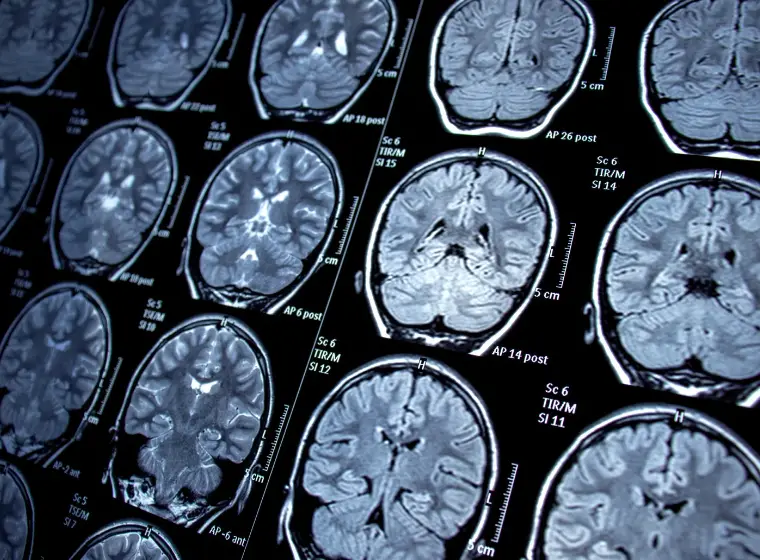
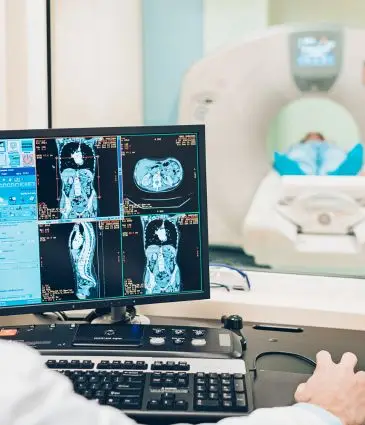
Modern neurological evaluation uses imaging technologies such as magnetic resonance imaging (MRI), computed tomography (CT), and vascular imaging.
MRI provides detailed images of brain structures and can help identify tumors, structural abnormalities, and certain neurological conditions.
CT scans are particularly useful in emergency situations, including suspected bleeding or traumatic brain injury.
Magnetic resonance angiography (MRA) and CT angiography (CTA) can help evaluate cerebral blood vessels when clinically indicated.
Although MRI does not use ionizing radiation, CT involves radiation exposure, and some examinations require contrast agents.
Advanced imaging can also reveal incidental findings that may never cause symptoms.
For this reason, doctors should recommend brain screening in Turkey based on medical history, symptoms, and individual risk rather than performing unnecessary examinations.
Who Should Consider Brain Screening?
Brain imaging may be appropriate for patients with specific neurological symptoms or increased risk of certain conditions.
People who may require further neurological evaluation include:
- Individuals with new or unexplained seizures.
- Patients experiencing progressive neurological symptoms.
- People with persistent headaches accompanied by concerning clinical features.
- Individuals with unexplained weakness, numbness, or changes in neurological function.
- Patients with certain inherited conditions associated with cerebral aneurysms.
- People with a strong family history of intracranial aneurysms.
However, a family history of brain tumors does not automatically mean routine imaging is necessary.
Screening decisions should consider the specific condition, family history, and recommendations from a qualified specialist.
Sudden severe headache, facial drooping, speech difficulties, new weakness, or loss of consciousness requires emergency medical attention rather than routine screening.
Risks and Balanced Decisions
Every diagnostic examination and surgical procedure involves potential benefits and risks.
Brain imaging can identify important abnormalities, but it may also reveal findings that require additional investigation without providing meaningful health benefits.
Preventive neurosurgery carries risks that depend on the condition and procedure.
Potential complications include bleeding, infection, stroke, seizures, and neurological impairment.
For some patients, regular imaging and clinical observation offer a safer approach than immediate surgery.
Doctors consider factors such as age, overall health, symptom severity, disease progression, and treatment risks before recommending intervention.
The purpose of preventive care is to make evidence-based decisions rather than pursue surgery simply because an abnormality has been detected.
Costs in Turkey
The cost of brain screening in Turkey depends on the diagnostic examinations, specialist consultations, and additional procedures required.
Some patients need a neurological consultation and MRI, while others may require vascular imaging or more specialized investigations.
Several factors influence expenses:
- Neurology or neurosurgery consultations.
- Brain MRI or CT examinations.
- MRA or CTA when medically indicated.
- Additional neurological investigations.
- Follow-up imaging and monitoring.
- Surgical or endovascular treatment when necessary.
International patients should confirm which examinations are included in their medical assessment.
The availability of advanced imaging does not mean every patient needs extensive neurological screening.
Choosing appropriate tests based on clinical indications helps avoid unnecessary procedures and supports safer medical decisions.
Final Thoughts
Preventive neurosurgery can play an important role in selected neurological conditions, particularly when timely treatment reduces the risk of serious complications.
However, not every brain abnormality requires intervention, and routine screening is not appropriate for everyone.
Brain screening is most valuable when doctors use it to investigate relevant symptoms, assess specific risks, or monitor diagnosed conditions.
Careful evaluation, specialist guidance, and individualized treatment planning remain essential for protecting long-term neurological health.
Frequently Asked Questions
1. Can brain screening detect neurological problems before symptoms appear?
Yes. Brain imaging can identify certain structural abnormalities before symptoms develop. However, routine imaging is not recommended for everyone, and screening should depend on individual risk factors.
2. Can neurosurgery prevent a brain aneurysm from rupturing?
Preventive treatment may reduce rupture risk in selected patients with unruptured cerebral aneurysms. Doctors assess aneurysm characteristics and treatment risks before recommending intervention.
3. Is MRI the best test for early brain disorders?
MRI is useful for evaluating many structural brain conditions, but the most appropriate examination depends on the suspected disorder. CT or vascular imaging may be more suitable in certain situations.
4. Does every brain tumor require surgery?
No. Some brain tumors can be monitored with regular imaging, while others require surgery or additional treatment depending on their type, location, growth, and symptoms.
5. Who should consider brain screening in Turkey?
Patients with unexplained neurological symptoms, certain inherited conditions, or specific family histories may benefit from specialist assessment. A neurologist or neurosurgeon can determine whether imaging is necessary.
- Addiction ( 35 )
- Bariatric ( 7 )
- Cardiology ( 15 )
- Check-up ( 84 )
- Ear Nose & Throat ( 1 )
- Eye Care ( 4 )
- General Surgery ( 6 )
- Gynecology ( 7 )
- Hair Transplant ( 7 )
- Hematology ( 2 )
- IVF ( 22 )
- Longevity ( 27 )
- Neurosurgery ( 8 )
- Oncology ( 15 )
- Orthopedics ( 12 )
- Physiotherapy ( 1 )
- Plastic & Beauty ( 10 )
- Transplantation ( 4 )
- Urology ( 10 )