What Can Be Diagnosed from an Upper Endoscopy
An upper endoscopy can diagnose inflammation of the esophagus, stomach or duodenum, peptic ulcers and their bleeding points, GERD and Barrett’s esophagus, H. pylori infection, tumors and early cancers, narrowing that makes swallowing difficult, and celiac disease. It shows the lining directly and allows tiny tissue samples to be taken for the laboratory, which is how it picks up problems that look normal on camera. Several findings can be dealt with in the same session, such as stopping a bleeding ulcer or widening a narrowed esophagus, and the test itself usually takes under 30 minutes with mild sedation. Before booking in Turkey, ask whether biopsy and pathology are included in the price and how quickly the report comes back, then ask the specialist to explain what can be diagnosed from an upper endoscopy. The digestive system can be full of surprises. Sometimes, symptoms like heartburn, bloating, or stomach pain can hint at something deeper happening inside. One of the best ways to uncover the cause is through an upper endoscopy, a modern, precise test that lets doctors look directly inside the esophagus, stomach, and the beginning of the small intestine. This test is quick, safe, and highly accurate. Let’s explore what an upper endoscopy can diagnose and why it’s such an important part of digestive health care.
Understanding the Upper Endoscopy Procedure
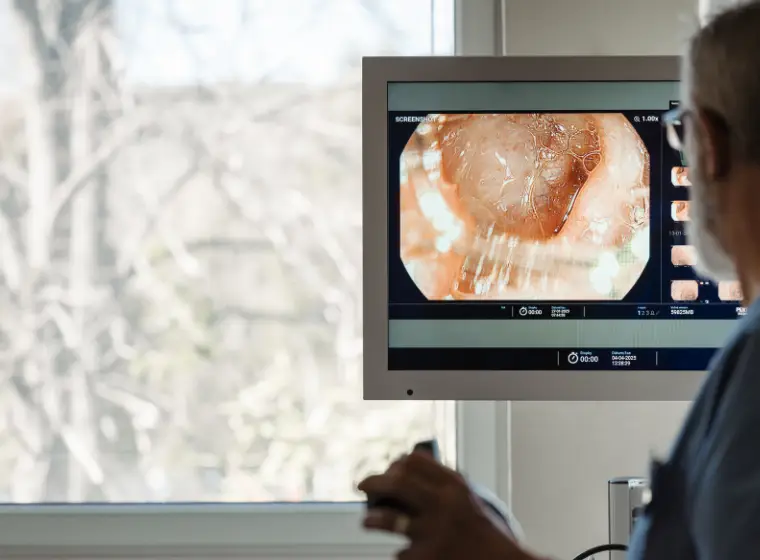
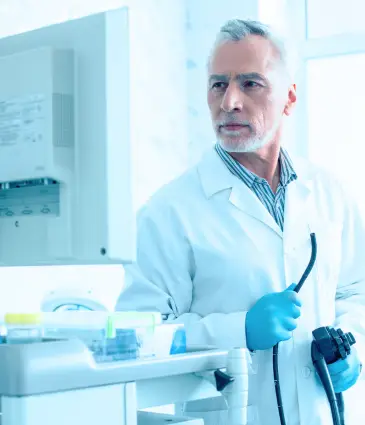
An upper endoscopy (also called a gastroscopy) uses a thin, flexible tube that has a miniature camera attached to the end. The doctor gently guides it through the mouth and down into the upper digestive tract. It provides clear, real-time images of the internal lining, helping spot problems that scans or X-rays might miss. Most people receive mild sedation during the test, so it’s generally painless and comfortable. The procedure usually takes less than 30 minutes, and you can go home the same day.
Detecting Inflammation and Irritation
One of the most common things found during an upper endoscopy is inflammation. This can appear anywhere along the esophagus, stomach, or duodenum (the first part of the small intestine).
- Esophagitis: When stomach acid flows backward, it can irritate the esophagus, a condition known as acid reflux or GERD.
- Gastritis: irritation of the stomach lining that is frequently brought on by stress, alcohol, infections, or certain drugs.
- Duodenitis: Redness and swelling in the duodenum, which may cause nausea or upper abdominal discomfort.
By identifying inflammation early, doctors can treat it before it leads to more serious complications, such as ulcers or scarring.
Finding Ulcers and Bleeding Sources
An upper endoscopy is one of the best ways to find open sores (peptic ulcers) in the stomach or duodenum. These ulcers can cause burning pain, bloating, or internal bleeding. During the procedure, the doctor can clearly see these ulcers and even treat them immediately by stopping bleeding or applying medication directly to the area. This makes upper endoscopy both a diagnostic and therapeutic tool.
Diagnosing GERD and Barrett’s Esophagus
People with chronic heartburn or acid reflux might be at risk for Barrett’s esophagus, a disorder where prolonged exposure to acid causes abnormalities in the esophageal lining. An upper endoscopy helps doctors detect these early changes and monitor them over time, preventing complications like esophageal cancer. It’s a simple but vital way to stay one step ahead of reflux-related damage.
Detecting Bacterial Infections (H. pylori)
One of the hidden causes of stomach pain or ulcers is Helicobacter pylori, a bacterium that can damage the stomach lining. During an upper endoscopy, the doctor can take a tiny tissue sample (biopsy) to check for H. pylori. If detected, the infection can be easily treated with antibiotics, helping the stomach heal and reducing the risk of future ulcers.
Spotting Tumors and Early Cancers
Perhaps one of the most crucial roles of upper endoscopy is in the early detection of tumors or abnormal growths. Small polyps, suspicious bumps, or tissue changes can be identified immediately and sampled for lab testing. Catching these growths early gives patients the best chance for successful treatment, especially in the stomach or esophagus.
Evaluating Swallowing or Structural Problems
If swallowing feels difficult or painful, upper endoscopy can reveal the cause. Sometimes the esophagus narrows due to acid damage, scar tissue, or growths. The procedure can identify the cause and, in many cases, the doctor can gently widen the passage using a special tool during the same session.
Microscopic Diagnoses: When Everything Looks Normal
Even if everything appears normal on camera, an upper endoscopy can reveal hidden issues through biopsies. These small tissue samples can diagnose:
- Celiac disease (a reaction to gluten, damaging the small intestine)
- Microscopic inflammation not visible during the test
- Precancerous cell changes that need monitoring
This microscopic view provides answers beyond what the eye can see.
Upper Endoscopy in Turkey
In Turkey, specialized gastrointestinal centers and modern hospitals offer premium gastroenterology check-up in Turkey, including comprehensive upper endoscopy examinations performed with advanced medical technology. To ensure maximum comfort and safety, many hospitals use minimally invasive techniques and the latest-generation endoscopic cameras. Istanbul Med Assist helps patients from around the world, choose Turkey for premium gastroenterology check-ups due to its high medical standards, experienced gastroenterology specialists, modern facilities, and competitive costs compared to Western countries all with minimal waiting times.
Conclusion: Clarity through a Camera
An upper endoscopy is more than just a diagnostic test, it’s a window into your digestive health. From ulcers and infections to inflammation and early cancers, it helps doctors find answers quickly and begin treatment right away. If you’ve been living with unexplained heartburn, nausea, or persistent stomach pain, an upper endoscopy could be the key to understanding what’s really going on inside and to feeling healthy again.
Frequently Asked Questions About Upper Endoscopy
1. Is an upper endoscopy the same as a gastroscopy?
Yes, the two names describe the same test. A thin flexible tube with a camera is passed through the mouth to examine the esophagus, stomach and the first part of the small intestine. You may see either term used on a referral letter or a clinic price list.
2. Does the procedure hurt?
Mild sedation is normal, so most patients feel little and describe the experience as uncomfortable at worst rather than painful. Some clinics use a throat-numbing spray instead when sedation is not wanted. Any soreness in the throat afterwards usually settles within a day.
3. Do I need to fast beforehand?
Yes. The stomach has to be empty for the camera to give a clear view, so food is stopped for several hours before the appointment and the clinic will tell you when to stop fluids. You should also mention blood thinners and diabetes medication in advance, as the instructions for those differ.
4. Can problems be treated during the same appointment?
Often they can. Bleeding ulcers can be treated at the time, a narrowed esophagus can be gently widened with a special tool, and polyps or suspicious tissue can be sampled or removed. This is why the test is described as both diagnostic and therapeutic.
5. What happens if the endoscopy looks normal but symptoms continue?
Biopsies are still taken in many cases, because conditions such as celiac disease and microscopic inflammation do not show up on camera. If those come back clear as well, the next steps are usually functional tests for reflux or motility, or a review of diet and medication. A normal endoscopy is useful information in itself, since it rules out ulcers and tumors.
- Addiction ( 34 )
- Bariatric ( 7 )
- Cardiology ( 15 )
- Check-up ( 74 )
- Ear Nose & Throat ( 1 )
- Eye Care ( 4 )
- General Surgery ( 6 )
- Gynecology ( 7 )
- Hair Transplant ( 6 )
- Hematology ( 2 )
- IVF ( 22 )
- Longevity ( 25 )
- Neurosurgery ( 7 )
- Oncology ( 15 )
- Orthopedics ( 12 )
- Physiotherapy ( 1 )
- Plastic & Beauty ( 10 )
- Transplantation ( 4 )
- Urology ( 10 )