What Tests Are Done to Check for Cancer?
The tests done to check for cancer fall into four groups: blood work, imaging, biopsy and genetic testing, and doctors combine them according to your symptoms, age and family history. Screening tests such as mammograms, Pap smears, colonoscopy and low-dose CT are meant to find disease before symptoms appear, while CT, MRI, ultrasound and PET scans are used to locate a suspicious area and see how far it reaches. Only a biopsy confirms whether cells are cancerous and what type they are, so an abnormal blood result or scan is a reason for more testing rather than a diagnosis. Hospitals in Turkey often sell these steps as combined screening packages, and it is worth asking which scans, lab tests and consultations a package really includes before booking. When it comes to serious illnesses like cancer, early detection can make a big difference. Early cancer detection frequently results in additional treatment options and improved assessments. However, there isn’t just one single Cancer Test. Various tests are used by doctors based on your symptoms, medical history, and risk factors. These may include blood work, imaging scans, biopsies, and genetic testing. Understanding these tests can help you know what to expect if your doctor recommends cancer screening or diagnostic evaluation.
Why Doctors Recommend a Cancer Test
A doctor may suggest a Cancer Test for different reasons. Sometimes, it’s part of a regular health check-up, especially as you age or if you have a family history of cancer. In other cases, tests are performed due to specific symptoms, such as unexplained weight loss, fatigue, lumps, or persistent pain. Cancer testing helps in three main ways: screening to detect cancer early, diagnosing suspicious symptoms, and monitoring treatment progress. It’s important to remember that an abnormal test result doesn’t always mean cancer. It may indicate other conditions, and further tests are typically required to confirm any findings.
Common Cancer Screening Tests
Some tests are routinely done to catch cancer before it causes symptoms.
Blood Tests:
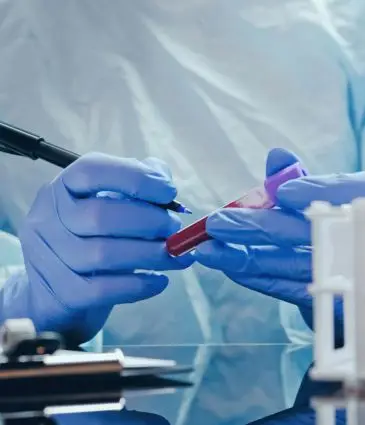
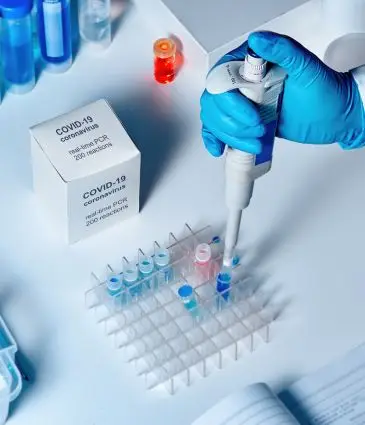
Some blood tests are useful for revealing information about internal bodily processes. A Complete Blood Count (CBC) helps doctors detect abnormal blood cells that might suggest leukemia or lymphoma. Tumor marker tests measure specific substances made by cancer cells, such as PSA for prostate cancer, CA-125 for ovarian cancer, and CEA for colon cancer. While these tests can guide doctors, they don’t confirm cancer on their own.
Pap Smear and HPV Test:
Used mainly for women, these tests look for early cell changes in the cervix that could develop into cervical cancer. Regular Pap smears can detect these changes long before cancer starts.
Mammogram:
Low-dose X-rays of the breast, known as mammograms, can identify lumps or anomalies that are too tiny to be felt. It’s one of the most effective tools for early breast cancer detection.
Colonoscopy:
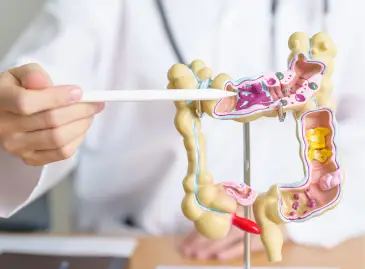
This test looks within the colon and rectum using a tiny camera. It has the ability to identify and eliminate polyps before they become malignant tumors.
Low-Dose CT Scan:
This scan is mainly used to screen for lung cancer, particularly in people with a history of smoking. It can detect tiny nodules in the lungs before symptoms develop.
Skin Exam:
Doctors check the skin for unusual moles or changes in shape, color, or size. Early detection is crucial for effectively treating skin cancers, such as melanoma.
Imaging Tests for Detecting Cancer
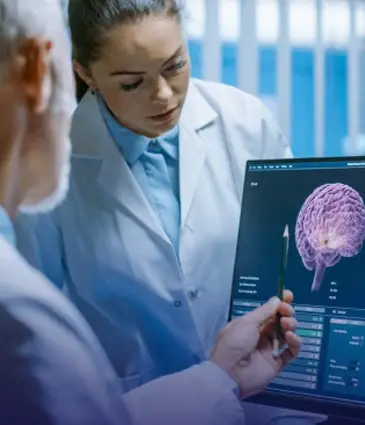
When diagnosing cancer, imaging is crucial. These tests enable doctors to visualize the inside of the body and identify any unusual growths or masses. X-rays are the initial step in finding abnormalities. CT scans offer detailed cross-sectional images, commonly used for the chest, abdomen, and pelvis. MRIs provide high-resolution images of soft tissues like the brain and spine, while ultrasounds use sound waves for quick examinations of organs such as the liver, ovaries, and breast. PET scans reveal the activity level of cells, enabling doctors to determine if cancer has spread or responded to treatment. While imaging can identify suspicious areas, it usually takes a biopsy to confirm whether cancer is actually present.
Biopsy – The Definitive Cancer Test
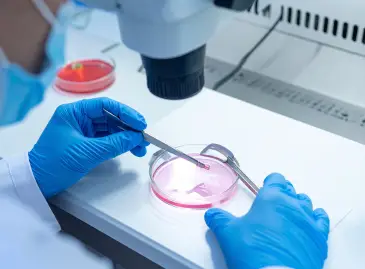
A biopsy is the most accurate way to diagnose cancer. A tiny sample of tissue from the questionable area must be taken, and it must then be examined under a microscope. This helps confirm whether abnormal cells are cancerous and what type of cancer it is. Biopsies can be done in different ways. A needle biopsy removes tissue using a thin needle, while a surgical biopsy involves removing a lump or part of it. Sometimes, a biopsy is performed during an endoscopic procedure such as a colonoscopy or bronchoscopy.
Genetic and Molecular Cancer Tests
Hereditary genetic mutations are connected to some types of cancer. Genetic tests look for these mutations to identify people at higher risk. For example, BRCA1 and BRCA2 testing is done for breast and ovarian cancer risk, while Lynch syndrome testing is used for colon cancer. Molecular cancer tests analyze the genes within a tumor to determine which treatments are likely to be most effective. These personalized tests are increasingly common in modern oncology.
How Doctors Decide Which Cancer Test You Need
Not everyone needs the same type of Cancer Test. Doctors decide based on factors such as age, gender, symptoms, and family history. For instance, women over 40 are advised to get regular mammograms, while those with digestive symptoms might need a colonoscopy. It’s best not to self-diagnose or order tests without consulting a healthcare provider. A professional can recommend the most suitable tests and accurately interpret the results.
Cancer Testing in Turkey
Turkey is a popular destination for advanced medical testing and cancer diagnostics, featuring modern imaging equipment and expert oncologists. The cost of cancer testing is generally more affordable than in Western countries, while maintaining high quality. Many clinics offer screening packages that include imaging scans, lab tests, and consultations for early detection of health issues.
Conclusion – Early Detection Saves Lives
A Cancer Test is not something to fear but a vital part of maintaining your health. Regular check-ups and screenings can find cancer at an early, more treatable stage. Whether it’s a simple blood test, a mammogram, or a biopsy, these tests give you and your doctor the information needed to act quickly.
Frequently Asked Questions About Cancer Tests
1. Can a blood test alone tell me whether I have cancer?
No. Blood work such as a complete blood count or a tumour marker test can point doctors in a direction, but the same abnormal values turn up in infections, inflammation and benign conditions. Markers like PSA, CA-125 and CEA are more useful for tracking a known cancer than for finding a new one. A raised result normally leads to imaging, and then to a biopsy if something suspicious is seen.
2. At what age should routine cancer screening start?
It depends on the cancer and on your own risk. Cervical screening usually begins in a woman’s twenties, breast screening around 40 to 50, and bowel screening around 45 to 50 in most national programmes. People with a strong family history or a known genetic mutation are usually screened earlier and more often, so it is a conversation to have with a doctor rather than a fixed rule.
3. Is a biopsy painful?
A needle biopsy is done under local anaesthetic and most patients describe pressure rather than pain, with some soreness for a day or two afterwards. Surgical biopsies and biopsies taken during a colonoscopy or bronchoscopy are performed under sedation or general anaesthetic. Results usually take several days because the tissue has to be processed and read by a pathologist.
4. What does a cancer screening package in Turkey normally include?
Packages vary, but they typically combine blood tests, one or more imaging scans, and a consultation with a specialist who explains the findings. Some are organ-specific, for example a breast or lung package, while others are general check-ups. Ask in writing which scans are included, whether the report is issued in English, and whether a follow-up appointment is part of the price.
5. What happens if a test result comes back abnormal?
An abnormal result is a starting point, not a verdict. The usual next step is a repeat test or a different type of imaging to see whether the finding is real and what it looks like in more detail. If the finding persists, a biopsy is arranged to establish whether cells are cancerous and, if so, which type, since that determines the treatment.
- Addiction ( 33 )
- Bariatric ( 7 )
- Cardiology ( 13 )
- Check-up ( 70 )
- Ear Nose & Throat ( 1 )
- Eye Care ( 4 )
- General Surgery ( 6 )
- Gynecology ( 7 )
- Hair Transplant ( 6 )
- Hematology ( 2 )
- IVF ( 21 )
- Longevity ( 22 )
- Neurosurgery ( 7 )
- Oncology ( 15 )
- Orthopedics ( 11 )
- Physiotherapy ( 1 )
- Plastic & Beauty ( 10 )
- Transplantation ( 4 )
- Urology ( 9 )