Colonoscopy in Turkey — Price 1,250 USD
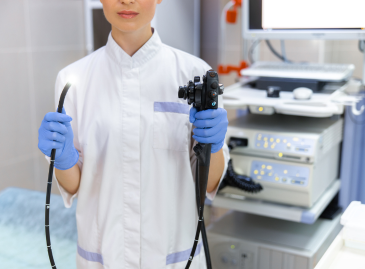
A colonoscopy is a test that allows medical professionals to examine your rectum and colon (large intestine). It is one of the most reliable ways to screen for colon cancer and detect other problems like polyps, inflammation, or bleeding. To get a clear picture of the colon lining, a thin, flexible tube called a colonoscope, which has a tiny camera on the end, is carefully placed into the rectum. Colonoscopy is often recommended for people over the age of 45, or earlier if you have symptoms or a family history of colorectal cancer. Regular colon cancer screening with a colonoscopy can help prevent the disease. This is achieved by pinpointing and clearing out polyps before they develop into cancer, according to the American Cancer Society.
We are with you throughout the entire process
You will find some useful information that will help you prepare the necessary organization to prevent all problems and make the necessary arrangements to ensure that everything goes smoothly during your stay in Turkey.
After our with doctor answers all your questions, doctor will explain to you how the operation process will proceed.
You will have a preliminary meeting with the doctor and team we work with before the operation.
Read the document we sent you before coming to Istanbul and be sure to follow the rules.
During the recovery process, our teams will call you, ask about your condition and ask for photos.
FAQ for Colonoscopy
You can find detailed information about the operation and organization you will have before coming to Turkey. You can contact your sales representative for any other questions you may have.
- A colonoscopy is a procedure using a small camera-equipped tube to view the colon and rectum, helping to identify inflammation, polyps, and signs of colon cancer.
- The American Cancer Society recommends that you begin colonoscopy tests at age 45 if your risk of colorectal cancer is average.
- If your results are normal, you’ll typically need a colonoscopy every 10 years. People with polyps or a higher risk may need one more often.
- The actual procedure usually takes between 30 and 60 minutes. You’ll also need time to recover from sedation afterward.
- Colonoscopy in Turkey is generally more affordable than in many other countries, with high-quality care and modern facilities available.

Authorized by the Ministry of Health and Tourism in Turkey
Why You Might Need a Colonoscopy
There are several reasons why your doctor might recommend a colonoscopy:
- Routine cancer screening: For people with average risk, this is typically advised every 10 years starting at age 45.
- Signs include as discomfort, blood, or altered bowel habits: These could point to issues like polyps, diverticulitis, or even cancer.
- Family or personal history of colon polyps or colorectal cancer: If this applies to you, you may need more frequent screenings.
- Monitoring chronic conditions: Conditions such as ulcerative colitis or Crohn’s disease may require regular checks to track inflammation and prevent complications.
How to Prepare for a Colonoscopy
Preparation is a key part of getting a successful colonoscopy. If your colon isn’t clean, the doctor won’t be able to get a clear view, and the whole process may have to be repeated.
Typically, you'll be asked to:
- Do not eat solid foods for about 24 hours before the procedure.
- Drink only clear liquids, such as water, broth, or tea.
- Take a prescribed laxative or bowel prep solution to clear out your colon.
Some people find the preparation uncomfortable, but it’s manageable and important for accurate results.
What Happens During the Procedure?
On the day of your colonoscopy, you'll be asked to lie on your side, usually after receiving light sedation to help you stay relaxed and comfortable. The doctor will guide the colonoscope through your whole colon after inserting it in your rectum while you are sedated. By transmitting live footage to a monitor, the camera enables the physician to examine the lining in detail. If they see anything unusual, like a polyp or inflamed tissue, they may remove it or take a small sample (biopsy) during the same procedure. A colonoscopy usually takes between 30 minutes and an hour. You won’t feel anything during the exam due to the sedation, and many people don’t even remember the procedure afterward.
After the Colonoscopy: What to Expect
As the sedation wears off after the procedure, you will rest in a recovery area. You may feel some bloating or cramping from the air that was introduced into the colon during the exam, but this usually passes quickly. Most people can go home within an hour or so, but you’ll need someone to drive you due to the sedation. It’s normal to feel a bit drowsy for the rest of the day, so plan to take it easy. If your doctor removed any polyps or took a biopsy, they’ll send it to a lab for analysis. You’ll typically expect results within a few days.
Benefits of a Colonoscopy
The primary benefit of a colonoscopy is that it enables your physician to identify and eliminate possible issues in one procedure. Here are a few key benefits:
- Cancer prevention: Polyps can be removed before they turn into cancer.
- Early detection: If cancer is found early, it’s much easier to treat.
- Comprehensive: It examines the entire colon, unlike some other screening methods.
Concerns to Keep in Mind
Colonoscopy is generally safe, especially when performed by experienced specialists. However, like any medical procedure, there are a few concerns to be aware of:
- Mild cramping or bloating may occur after the exam.
- Rare complications, such as bleeding or a small tear in the colon lining, can happen, especially if a polyp is removed.
- Sedation reactions are uncommon but possible in sensitive individuals.
These concerns are rare, and your doctor will discuss them with you beforehand to ensure you're comfortable and fully informed.
Colonoscopy vs. Other Screening Options
You can screen for colon cancer in several ways. Some options include stool tests, like the FIT test or the fecal occult blood test. You can also consider CT colonography, which is sometimes called virtual colonoscopy, and flexible sigmoidoscopy. However, due to its ability to directly visualize and remove polyps in a single session, colonoscopy continues to be the gold standard. Despite their usefulness, stool tests cannot eliminate polyps and can fail to detect early warning symptoms.
How Often Should You Get a Colonoscopy?
Individuals at moderate risk should begin colonoscopy screening at age 45, according to the American Cancer Society. If your results are normal, you likely won’t need another one for 10 years. However, if polyps are found or if you have a higher risk, your doctor may advise more frequent screening, such as every 3 or 5 years. Always follow your doctor’s advice based on your personal health history.
Colonoscopy Costs in Turkey
Turkey is a popular choice for people seeking high-quality medical care that is also more affordable. In Turkey, doctors use modern technology and are well-trained to perform colonoscopies. These procedures typically occur in internationally accredited hospitals at lower costs than in Western countries, making them a desirable choice for people looking for high-quality care at a lower cost.
Conclusion
Colonoscopy is one of the most important tools in preventing and detecting colon cancer. It’s safe, effective, and allows doctors to take immediate action if they find anything suspicious. Whether you’re going in for a routine screening or checking out a symptom, this simple procedure could save your life. If you're over 45 or have a family history of colorectal problems, talk to your doctor about scheduling a colonoscopy. It’s a step worth taking.
