Why Do People Need Interventional Radiology?
In the past, many medical conditions could only be treated with open surgery. But today, there’s a safer, quicker, and often less painful alternative to interventional radiology. This growing field is changing the way patients receive care, offering image-guided treatments that are both effective and minimally invasive.
What Is Interventional Radiology?
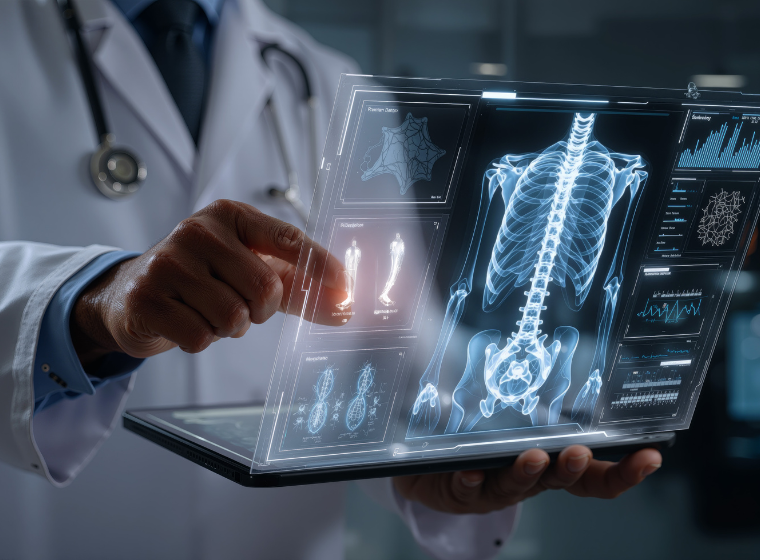
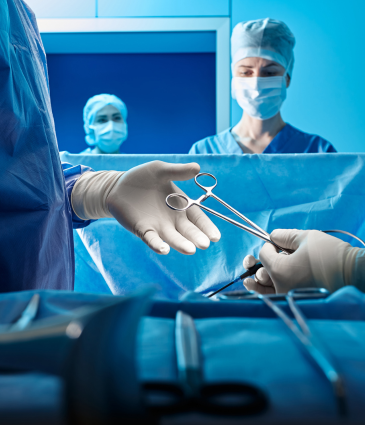
Interventional radiology (IR) is a field of medicine that guides tiny instruments within the body using cutting-edge imaging methods like ultrasound, CT scans, and X-rays. These tools can be used to treat diseases or perform biopsies with incredible accuracy. Unlike traditional surgery, interventional radiology procedures are done through tiny incisions or even through the skin with a needle. This means patients often recover faster, experience less pain, and avoid the risks that come with open surgery.
Why Is It Important?
People need interventional radiology because it offers safer and more targeted treatment options. It is particularly beneficial for people who, because of their age, underlying medical conditions, or other dangers, are not ideal candidates for surgery. Many procedures that once required full operations can now be handled with interventional techniques. These include stopping internal bleeding, opening blocked arteries, draining fluid collections, or treating certain cancers, all without major surgery.
Conditions Treated with Interventional Radiology
Interventional radiology can be used for many different conditions. Some common examples include:
- Cancer: IR helps treat tumors through techniques like chemoembolization or radiofrequency ablation, which target cancer cells without harming healthy tissue.
- Vascular diseases: It can open narrowed arteries, treat deep vein thrombosis (DVT), and stop internal bleeding.
- Uterine fibroids: Uterine fibroid embolization (UFE) is a non-surgical method of shrinking fibroids.
- Liver and kidney issues: IR is often used to drain blocked ducts, place stents, or take biopsies from these organs.
- Pain management: Image-guided injections can help with back or joint pain.
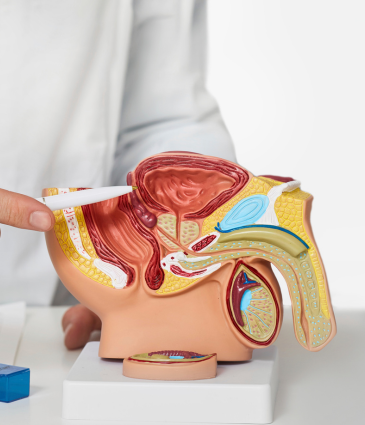
- Varicocele: Enlarged scrotal veins can impact fertility, but there is a minimally invasive way to treat them.
These treatments are not only precise but also often done as outpatient procedures, allowing patients to go home the same day.
What Are the Main Procedures?
Some of the most common interventional radiology procedures include:
- Angioplasty and stent placement to open blocked blood vessels
- Tumor ablation to destroy cancer cells using heat or cold
- Embolization to stop bleeding or shrink abnormal blood vessels
- Drainage of abscesses or fluid collections
- Biopsies taken from hard-to-reach places in the body
- Placement of feeding tubes or dialysis access lines
Because these procedures are done using real-time imaging, doctors can see exactly where they’re working, making the treatment more accurate and reducing the chances of complications.
Benefits of Interventional Radiology
There are several reasons why more people are turning to interventional radiology:
- Less pain: Most procedures use only local anesthesia or light sedation.
- Minimal scarring: Only small incisions or needle entry points are needed.
- Faster recovery: Many patients resume normal activities within a few days.
- Lower risk: There’s less bleeding, fewer infections, and fewer complications overall.
- Outpatient care: Many procedures do not require hospital stays.
This makes IR especially appealing to people who want effective care without the downtime of surgery.
Who Can Benefit the Most?
Interventional radiology is ideal for people who:
- Unable to get surgery because of other health issues
- Want quicker recovery with minimal disruption to daily life
- Have chronic conditions needing repeated care (e.g., cancer or vascular disease)
- Prefer less invasive treatment options for better comfort and convenience
Whether it’s a blocked artery, a tumor, or a painful joint, interventional radiology can offer real solutions with minimal impact on the body.
What About Costs?
The cost of interventional radiology in Turkey is generally much lower than in countries in the West. Prices vary depending on the procedure, but whether it’s an embolization, angioplasty, or biopsy, patients are sure to get top-notch care for a fraction of the cost of care elsewhere. International patients can feel more at ease in Turkey thanks to facilities that provide cutting-edge interventional therapies and staff who understand English. Turkey is a popular location for interventional radiology procedures due to its quality and reasonably priced service.
Final Thoughts
People need interventional radiology because it offers a safer, quicker, and more comfortable way to manage a wide range of medical conditions. From cancer to chronic pain, from blood vessel issues to organ biopsies, it provides powerful solutions with less risk and faster recovery. As this field continues to grow, more patients are discovering that they don’t always need major surgery to feel better. Thanks to modern technology and expert radiologists, interventional radiology is making life-changing care more accessible than ever, especially in countries like Turkey, where affordability meets world-class treatment.
- Addiction ( 30 )
- Bariatric ( 2 )
- Cardiology ( 11 )
- Check-up ( 61 )
- Ear Nose & Throat ( 1 )
- Eye Care ( 2 )
- General Surgery ( 3 )
- Gynecology ( 6 )
- Hematology ( 2 )
- IVF ( 19 )
- Neurosurgery ( 6 )
- Oncology ( 15 )
- Orthopedics ( 8 )
- Physiotherapy ( 1 )
- Plastic & Beauty ( 7 )
- Stem Cells & Longevity ( 19 )
- Transplantation ( 4 )
- Urology ( 9 )