
Why a Comprehensive Check-Up Is Better Than Single Tests
Many people only visit a doctor when something feels wrong. They get one test done, check the result, and move on. While this approach feels quick and simple, it often leaves important health questions unanswered. A full body check-up looks deeper. Instead of focusing on just one problem, it helps you understand how your entire body is doing. A full check-up is not about reacting to illness. It is about staying ahead of it.


What a Full Check-Up Really Means
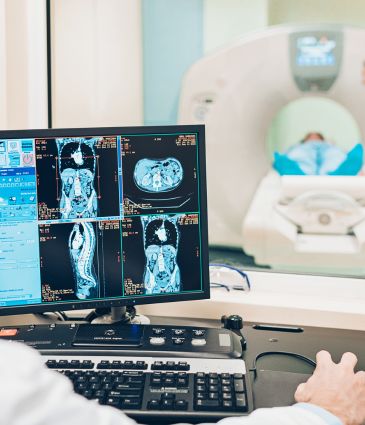
A full check-up is a complete review of your health. It usually combines blood tests, imaging, heart checks, organ function tests, and a medical evaluation. The goal is to see how different systems in your body work together. Unlike single tests, a full body check-up does not look at numbers in isolation. It connects results and helps doctors understand patterns that may not be obvious when tests are done separately.
Why Single Tests Are Often Not Enough
Single tests are useful, but they have limits. Checking blood sugar alone does not tell you how your heart, liver, or kidneys are functioning. A cholesterol test does not show whether inflammation or early disease is developing elsewhere. Many health problems develop silently. When people rely only on single tests, they may feel reassured by one normal result while another issue remains unnoticed. A full check-up reduces this risk by giving a broader view of your health.
Seeing the Whole Picture Matters
Your body works as a system, not as separate parts. A full check-up helps doctors see how one result affects another. For example, fatigue may not come from one cause alone. It could be linked to hormone levels, vitamin deficiencies, heart health, or metabolic changes. By reviewing everything together, a full check-up helps identify the real source of a problem instead of treating symptoms one by one.
Early Detection Saves More Than Time
One of the biggest benefits of a full check-up is early detection. Many serious conditions start quietly. In its early stages, diabetes, high blood pressure, heart disease, and some types of cancer may not exhibit any symptoms. A full check-up can identify warning signs early, when treatment is usually simpler and more effective. Early action often means fewer complications and better long-term outcomes.
Convenience and Peace of Mind
Running multiple single tests over months can be stressful. Different appointments, different results, and no clear conclusion can leave people confused. A full check-up is usually done in an organized and structured way. Instead of guessing what test to do next, a full check-up gives you clear answers. Knowing where you stand health-wise brings peace of mind and helps you plan better for the future.
Who Should Consider a Full Body Check-Up?
A full check-up is useful for many people, not just those who feel unwell. It is especially helpful for:
- Adults over 30 or 40
- People with a family history of chronic illness
- Busy professionals who delay regular doctor visits
- Travellers and international patients
- Anyone who has not had a full check-up in several years
Even people who feel healthy can benefit from a full check-up, as prevention is always easier than treatment.
Full Body Check Up vs Single Tests
A single test answers one question. A full body check-up answers many. Single tests are reactive, often done after symptoms appear. A full check-up is proactive and focused on prevention. With a full check-up, doctors can create a long-term health plan instead of giving short-term advice based on one result.
Costs in Turkey
Many people choose to have a full check-up in Turkey because of the balance between quality and accessibility. Instead of charging for each test separately, medical organizations frequently provide comprehensive, planned checkup plans. These packages are intended to be patient-centred, transparent, and effective. Modern facilities, skilled physicians, and efficient scheduling are especially advantageous to international patients, all without the hassle of setting up several tests separately.
Supporting Preventive Healthcare
A full check-up supports a preventive approach to health. It helps identify risks before they turn into serious problems. Based on results, doctors can recommend lifestyle changes, follow-up tests, or monitoring plans. Instead of waiting for illness, a full check-up helps you stay in control of your health.
Final Thoughts
Relying on single tests can leave gaps in your understanding of your health. A full check-up fills those gaps by looking at your body as a whole. It offers clarity, early detection, and confidence. Choosing a full check-up is not about fear. It is about awareness, prevention, and making informed decisions for a healthier future.
- Addiction ( 30 )
- Bariatric ( 2 )
- Cardiology ( 11 )
- Check-up ( 62 )
- Ear Nose & Throat ( 1 )
- Eye Care ( 2 )
- General Surgery ( 4 )
- Gynecology ( 6 )
- Hematology ( 2 )
- IVF ( 19 )
- Neurosurgery ( 6 )
- Oncology ( 15 )
- Orthopedics ( 8 )
- Physiotherapy ( 1 )
- Plastic & Beauty ( 7 )
- Stem Cells & Longevity ( 19 )
- Transplantation ( 4 )
- Urology ( 9 )