What Distinguishes a CT Scan from an MRI?
Many people feel confused when doctors recommend an MRI or a CT scan. Both tests look similar on the outside and help doctors see what is happening inside your body. However, the MRI vs CT scan comparison shows that they work very differently. Understanding these differences can make the whole experience less stressful and help you feel more confident when a doctor suggests one of these tests.
What Is a CT Scan?
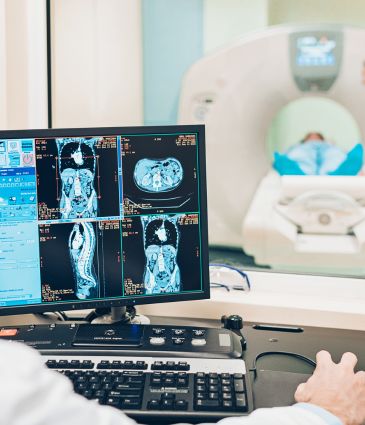
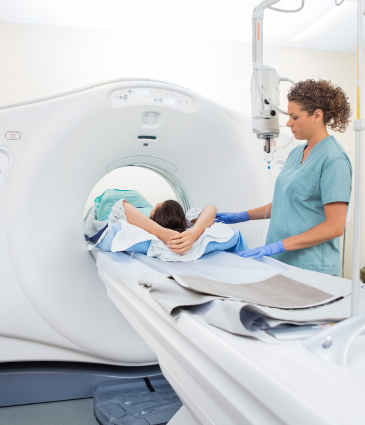
A computed tomography (CT) scan uses X-ray equipment to take multiple images from different angles. A computer then puts these images together into clear cross-sectional views of the body. In the MRI vs CT scan discussion, CT stands out for its speed and its ability to detect emergencies. Doctors often choose CT scans when they need quick answers. They are commonly used after accidents, for sudden severe pain, or to check for internal bleeding. CT scans are also ideal for diagnosing lung diseases, kidney stones, infections, and bone-related problems. Because CT scans take only a few minutes, they are one of the most essential tools in emergency medicine.
What Is an MRI Scan?
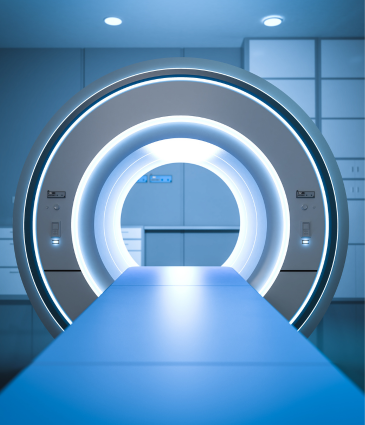
Instead of using X-rays, magnetic resonance imaging, or MRI, employs strong magnets and radio waves. In the MRI vs CT scan comparison, MRI is considered the better option for soft-tissue details. It can show the brain, nerves, muscles, ligaments, and spinal discs with incredible clarity. MRI scans usually take 20 to 40 minutes, and staying still is important for good images. The machine can feel a bit enclosed, and it makes loud sounds during the scan, but the benefit is that MRI provides deep, detailed views without any radiation. This makes it a preferred choice for long-term monitoring, complex neurological issues, and joint injuries.
MRI vs CT Scan: The Key Differences
The best way to understand MRI vs CT scan is to look at their differences side by side:
- Technology:
- CT uses X-rays; MRI uses magnets and radio waves.
- Best for:
- CT is ideal for bones, lungs, and trauma.
- MRI is ideal for the brain, spine, nerves, and muscles.
- Speed:
- CT is much faster.
- MRI takes longer but provides richer detail.
- Radiation:
- CT involves radiation.
- MRI does not.
- Comfort:
- CT scanners are more open.
- MRI machines can feel narrower and louder.
These differences explain why doctors choose one over the other depending on the patient’s symptoms.
When Doctors Choose a CT Scan
In the MRI vs CT scan conversation, CT wins when speed is essential. Doctors usually recommend CT scans for:
- Accidents and trauma
- Suspected internal bleeding
- Sudden chest or abdominal pain
- Lung infections or blood clots
- Bone fractures or kidney stones
CT scans help doctors make urgent decisions quickly and accurately.
When Doctors Prefer an MRI
MRI is the preferred choice when doctors need to examine soft tissues closely. They often choose MRI for:
- Brain conditions such as tumors or inflammation
- Spinal disc herniation or nerve compression
- Knee, shoulder, or hip injuries
- Abdominal or pelvic soft-tissue evaluation
- Situations where radiation should be avoided
In the MRI vs CT scan comparison, MRI stands out for its detailed, radiation-free images.
Safety Considerations
When used correctly, both tests are highly safe. Doctors steer clear of needless radiation exposure during CT scans, especially for young patients. Conversely, those who have pacemakers, some metal implants, or metal particles in their bodies should not get an MRI. Some patients may also feel uncomfortable in the narrow MRI space, though modern machines are more patient-friendly.
Costs in Turkey
Turkey offers modern radiology technology, experienced radiologists, and shorter waiting times. Many international patients choose Turkey for imaging because of the combination of quality and affordability. Prices may vary depending on the scan type, hospital, and whether contrast dye is used.
Final Thoughts
The MRI vs CT scan comparison shows that both tests are incredibly valuable but serve different purposes. A CT scan is fast and ideal for emergencies and bone issues, while an MRI offers highly detailed soft-tissue images without radiation. Understanding these differences helps you understand why your doctor chooses one test over the other and provides more clarity on your healthcare journey.
- Addiction ( 30 )
- Bariatric ( 2 )
- Cardiology ( 11 )
- Check-up ( 61 )
- Ear Nose & Throat ( 1 )
- Eye Care ( 2 )
- General Surgery ( 3 )
- Gynecology ( 6 )
- Hematology ( 2 )
- IVF ( 19 )
- Neurosurgery ( 6 )
- Oncology ( 15 )
- Orthopedics ( 8 )
- Physiotherapy ( 1 )
- Plastic & Beauty ( 7 )
- Stem Cells & Longevity ( 19 )
- Transplantation ( 4 )
- Urology ( 9 )