Prostate Cancer Care in Turkey: Advanced Options
Prostate cancer is among the most common cancers in men, but the good news is that it is also highly treatable when diagnosed early. In recent years, Turkey has become a leading destination for men seeking modern, effective, and affordable prostate cancer care. With advanced technology, experienced specialists, and a patient-centered approach, Turkey offers promising solutions for both early and advanced stages of the disease.



Understanding Prostate Cancer and Early Warning Signs
The prostate gland, a tiny organ within the male reproductive system, is where prostate cancer starts. Routine check-ups are crucial since many men may not recognize symptoms in their early stages. When symptoms do appear, they could include blood in the urine, frequent overnight urination, uncomfortable urination, or poor urine flow. These signs should never be ignored. Early diagnosis improves treatment success. Simple tests such as a PSA blood test, digital rectal examination, or prostate imaging can detect problems before they become serious. For men over 50 or those with a family history of prostate cancer, routine screening is especially important.
Advanced Diagnostic Tools Used in Turkey
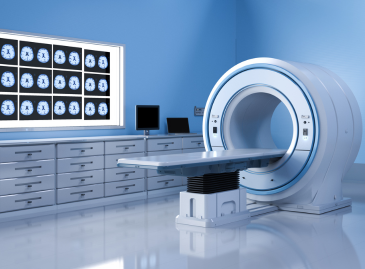
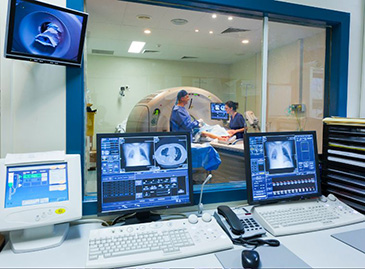
One of the key strengths of prostate cancer care in Turkey is access to modern diagnostic technology. Hospitals commonly use multiparametric MRI, which provides highly detailed images of the prostate. This helps doctors identify tumors more accurately. For even more precision, specialists may perform MRI–fusion biopsies. This technique combines MRI images with real-time ultrasound to ensure the biopsy needle reaches the exact target. Another major advancement is PSMA PET-CT, a powerful imaging modality used to detect cancer spread. These tools reduce uncertainty and allow doctors to create a personalized treatment plan from the start.
Modern Treatment Options Available
Turkey offers a wide range of advanced treatments, allowing men to choose an approach that fits their medical needs and lifestyle.
Robotic-Assisted Prostate Surgery
Many hospitals use the Da Vinci robotic system for prostate removal. This minimally invasive technique allows for smaller cuts, less pain, and faster recovery. It also provides excellent precision, helping preserve nerve function that controls urinary continence and sexual performance.
Radiation Therapy
For men who prefer a non-surgical approach, several forms of radiation therapy are available, including IMRT, IGRT, and SBRT. These highly targeted treatments deliver radiation directly to the tumor while protecting surrounding tissues. This reduces side effects and improves overall comfort during treatment.
Hormone and Targeted Therapies
When prostate cancer develops in reaction to male hormones, hormone therapy is frequently utilized. Newer medications can help control the disease even in advanced stages. With fewer adverse effects than conventional chemotherapy, targeted medicines can also stop the proliferation of cancer cells.
Focal Therapies
Techniques like HIFU (High-Intensity Focused Ultrasound) and cryotherapy treat only the tumor area, preserving most of the prostate. These options are ideal for men with localized, low-risk cancer who want a gentle alternative.
Personalized Care Tailored to Each Patient
The individualized treatment of prostate cancer in Turkey is one of its advantages. Hospitals commonly deploy multidisciplinary teams urologists, oncologists, radiologists, and pathologists to analyze each patient. This guarantees that every patient receives a treatment plan based on age, cancer stage, medical history, and personal goals. Genetic testing is also used in some centers to assess tumor aggressiveness and predict treatment response. This level of personalization helps patients feel confident and supported throughout the process.
Why Many Patients Choose Turkey
Patients from across Europe, the Middle East, Africa, and the U.S. travel to Turkey because it combined quality and affordability. Waiting times are short, hospitals are well-equipped, and medical teams are experienced in international patient care. Despite comparable technology and skill, the total cost of prostate cancer therapy in Turkey is far lower than in Western nations.
Final Thoughts
Turkey has taken the lead in providing cutting-edge, efficient, and patient-friendly solutions as prostate cancer care continues to change. With new diagnostics, innovative therapies, and individualized care, men may feel secure about seeking help and taking charge of their health. Early screening saves lives, and knowing the available options can make the path much easier.
- Addiction ( 30 )
- Bariatric ( 2 )
- Cardiology ( 11 )
- Check-up ( 61 )
- Ear Nose & Throat ( 1 )
- Eye Care ( 2 )
- General Surgery ( 3 )
- Gynecology ( 6 )
- Hematology ( 2 )
- IVF ( 19 )
- Neurosurgery ( 6 )
- Oncology ( 15 )
- Orthopedics ( 8 )
- Physiotherapy ( 1 )
- Plastic & Beauty ( 7 )
- Stem Cells & Longevity ( 19 )
- Transplantation ( 4 )
- Urology ( 9 )