Low-Dose CT: Detecting Lung Cancer at an Early Stage
Lung cancer is still among the most deadly cancers in the world, mainly because the diagnosis is frequently made too late. Lung cancer usually displays no symptoms in its early stages, making detection challenging until the disease has spread. Fortunately, early detection is now possible thanks to sophisticated imaging equipment. One of the most effective tools for this purpose is low-dose CT for lung cancer screening. Patients have the best chance of a successful course of treatment thanks to this rapid, painless scan, which can identify even the tiniest indications of cancer long before symptoms manifest.


What Is a Low-Dose CT Scan?
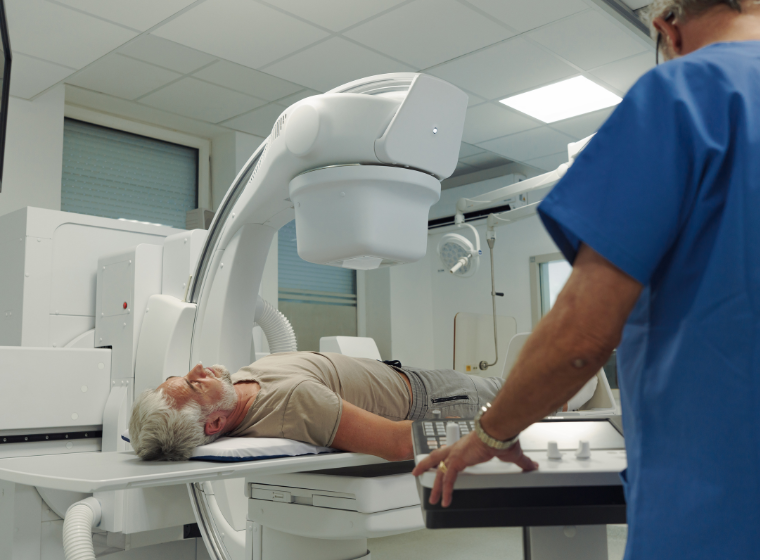
- A low-dose CT (computed tomography) scan is an advanced imaging test that uses a minimal amount of radiation to create clear, detailed pictures of your lungs. It works by combining multiple X-ray images taken from different angles to form a 3D view of your chest.
- Unlike a traditional CT scan, a low-dose CT delivers about 75-80% less radiation, making it safer, especially for annual screenings. The process typically takes less than ten minutes to complete and is entirely noninvasive. There is no need for specific preparation, no pain, and no needles.
Why Early Detection Matters
- When lung cancer is discovered early, before it spreads to other parts of the body, it is often much easier to treat. In many cases, doctors can remove the tumor through surgery or use targeted treatments that stop cancer growth.
- Unfortunately, most people do not get diagnosed until the disease is advanced, when symptoms such as coughing, chest pain, or shortness of breath appear. By then, treatment becomes more complicated and success rates drop significantly.
- A low-dose CT for lung cancer screening changes this pattern. It can detect tiny lung nodules, sometimes as small as a grain of rice, which may be early signs of cancer. Detecting these changes early allows doctors to take action immediately, improving survival rates and outcomes.
Who Should Get a Low-Dose CT Scan?
Not everyone needs this screening. It is mainly recommended for people who have an increased chance of getting lung cancer, such as:
- Adults aged around 50 to 80 who have smoked for many years.
- People who currently smoke or quit within the last 15 years.
- People who have been exposed to harmful substances like asbestos, radon gas, or heavy air pollution.
Even if you feel healthy, if you fit into any of these categories, it is worth discussing screening with your doctor. A single scan each year can make a life-saving difference.
How the Procedure Works
During the scan, you will be asked to lie on a narrow table that slides through a large, donut-shaped machine. As the table moves, the scanner quickly takes multiple X-ray images of your chest while you hold your breath for a few seconds. The whole process takes minutes. Afterward, a radiologist reviews the images to look for any unusual spots or nodules in the lungs. You can return to your normal activities right after the test, as there is no recovery time needed.
What If a Nodule Is Found?
It is important to remember that finding a nodule does not necessarily mean you have cancer. Many nodules are benign and result from old infections or scar tissue. However, if the scan shows something suspicious, your doctor may recommend another scan in a few months or a biopsy to take a closer look. The goal of low-dose CT for lung cancer screening is to catch any potential issue early enough for treatment to be simple and effective.
Benefits of Low-Dose CT Screening
- Early detection: Finds cancer before it spreads.
- Safe and fast: Uses minimal radiation and takes only minutes.
- Noninvasive: No pain, injections, or hospital stay.
- Improved survival: Studies show fewer deaths among people screened with LDCT.
These advantages make it one of the most valuable preventive tools in modern medicine.
Costs in Turkey
Turkey is now a popular destination for medical imaging and cancer screening. Many hospitals and diagnostic centers offer low-dose CT for lung cancer screening as part of preventive health check-up packages. More people can obtain high-quality early-detection services since the aggregate cost is far lower than in other Western countries, even though rates vary by clinic.
Conclusion – A Simple Test That Saves Lives
Although lung cancer is a dangerous disease, early identification makes all the difference. With low-dose CT for lung cancer screening, doctors can find the disease in its earliest, most treatable stage before it has the chance to grow or spread. The scan is quick, safe, and accessible, making it a powerful tool for prevention and peace of mind. Do not wait for symptoms to manifest if you are at risk. Speak with your physician about getting a low-dose CT scan done right now. It could potentially save your life.
- Addiction ( 30 )
- Bariatric ( 2 )
- Cardiology ( 11 )
- Check-up ( 61 )
- Ear Nose & Throat ( 1 )
- Eye Care ( 2 )
- General Surgery ( 3 )
- Gynecology ( 6 )
- Hematology ( 2 )
- IVF ( 19 )
- Neurosurgery ( 6 )
- Oncology ( 15 )
- Orthopedics ( 8 )
- Physiotherapy ( 1 )
- Plastic & Beauty ( 7 )
- Stem Cells & Longevity ( 19 )
- Transplantation ( 4 )
- Urology ( 9 )