
How to Plan a Medical Trip: Visa, Travel, and Treatment Coordination
Planning travel for treatment can feel overwhelming at first, especially if it’s your first time seeking medical care in another country. Between visas, flights, hospitals, and recovery time, there are many moving parts. The good news is that treatment-related travel can be effortless, meticulously organized, and considerably less stressful than many patients anticipate when an appropriate approach is used. To ensure that you understand exactly what to do and when, this guide will simplify everything into easy steps.


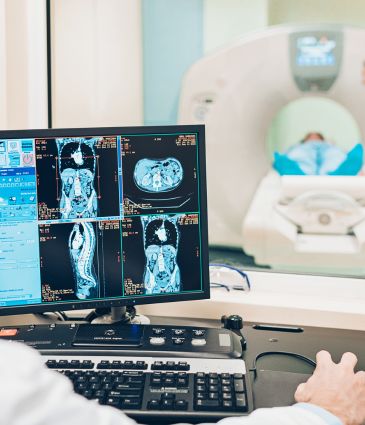
Choosing the Right Country and Hospital
Choosing a destination is the first step in traveling for medical treatment. Patients typically seek countries with high medical standards, skilled physicians, and affordable costs. Once you've decided on a location, pay particular attention to medical facilities that frequently handle patients from other countries. These facilities are knowledgeable about recuperation plans, travel schedules, and medical records from other countries. Get a preliminary treatment plan before deciding. This typically comprises the recommended course of action, the duration of stay, and the anticipated recovery period. The remainder of your treatment-planning process will be considerably simpler if you have this information in advance.
Understanding Visa Requirements
The requirements for obtaining a visa vary by country of residence. While some nations require a special medical visa, others permit medical care under a tourist visa. For travel for treatment, you may need: Once you have treatment confirmation, you should always apply for your visa. One of the most common errors in travel for treatment planning is rushing the process.
- A hospital invitation letter
- Confirmation of your treatment dates
- Proof of accommodation and finances
Always apply for your visa after receiving confirmation of treatment. Rushing this step is one of the most common mistakes in travel for treatment planning.
Preparing Medical Documents
The basis for a successful trip for treatment is your medical records. Recent reports, lab findings, imaging results, and a review of medical history are typically requested by hospitals. Ensure that everything is organized, understandable, and, if necessary, translated into English. Submitting complete paperwork in advance helps physicians prepare and prevents delays when you arrive.
Coordinating Treatment Dates
Time is of the essence while traveling for medical care. Your hospital will suggest dates for consultations, procedures, and follow-ups. It's important to provide additional days for recovery and to account for unanticipated changes. Avoid booking return flights too close to the operation date. You can travel for treatment more comfortably and safely when your schedule is flexible.
Booking Flights for Medical Travel
You may schedule flights once your treatment dates are confirmed. Flexible or changeable tickets are strongly advised when traveling for medical treatment. Inform the airline in advance if you need assistance, such as wheelchair support or priority boarding. Many patients choose to travel with a companion, which can be particularly beneficial during recovery.
Accommodation Near the Hospital
A crucial aspect of traveling for medical treatment is selecting the appropriate lodging. Particularly following a procedure, staying near the hospital minimizes travel time and physical strain. Seek out locations with quiet surroundings, convenient access, and elevators. Plan your stay according to medical recommendations rather than solely on the date of surgery. When traveling for treatment, recovery frequently takes longer than anticipated.
Local Transportation and Transfers
When traveling for treatment, prearranged airport transfers are highly encouraged. It may be difficult to access public transport after a long flight or a medical procedure. Organized transfers provide a stress-free, safe arrival to your hotel and hospital.
Treatment and Care After Arrival
Before beginning therapy, hospitals typically repeat certain assessments upon admission. This is typical while traveling for medical care and aids in determining the optimal course of action. International patient coordinators frequently help with scheduling, documentation, and language support. Maintaining open lines of communication throughout this phase ensures that your treatment trip remains on schedule.
Post-Treatment Recovery and Follow-Up
Recovery planning is just as important as the procedure itself. Travel for treatment should always include follow-up appointments, medication planning, and guidance on when it is safe to fly home. Many hospitals also offer online follow-ups after you return home.
Costs in Turkey for Travel for Treatment
Turkey's blend of price and quality has made it a popular destination for medical travel. Even when performed by highly qualified professionals, medical procedures in Turkey are frequently far less expensive than those in the US or Europe. Turkey offers reasonably priced lodging, transportation, and daily expenses in addition to treatment fees. Traveling to Turkey for treatment enables many foreign patients to obtain cutting-edge medical care at a reasonable cost. Its structured worldwide patient services and short wait times further enhance its allure.
Final Thoughts
Careful planning, reasonable deadlines, and effective coordination are essential for a successful treatment trip. You can prevent unnecessary worry and focus on what is truly important for your recovery and well-being by taking each step one at a time. With proper preparation, travel for treatment can be a safe, organized, and positive experience from start to finish.
- Addiction ( 30 )
- Bariatric ( 2 )
- Cardiology ( 11 )
- Check-up ( 61 )
- Ear Nose & Throat ( 1 )
- Eye Care ( 2 )
- General Surgery ( 3 )
- Gynecology ( 6 )
- Hematology ( 2 )
- IVF ( 19 )
- Neurosurgery ( 6 )
- Oncology ( 15 )
- Orthopedics ( 8 )
- Physiotherapy ( 1 )
- Plastic & Beauty ( 7 )
- Stem Cells & Longevity ( 19 )
- Transplantation ( 4 )
- Urology ( 9 )