FUE vs DHI Hair Transplant: Which Looks More Natural?
Both approaches can produce natural-looking hair restoration when graft selection, hairline design, density, direction, and placement are carefully planned. FUE primarily describes how individual follicular units are harvested, while DHI generally refers to implantation with an implanter device rather than a completely separate follicle-harvesting method. The most natural result therefore depends less on the name of the technique and more on individual hair characteristics, surgical planning, graft handling, and the experience of the medical team. Choosing between FUE and DHI hair transplant is one of the most common questions people ask when they start looking into hair restoration. Both techniques are modern, effective, and widely used today. Still, they are not the same, and the right option often depends on your hair, scalp, and personal goals. This guide explains the differences in a clear and simple way, without medical jargon or exaggerated promises.
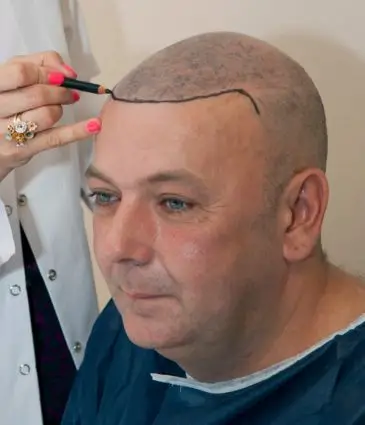
Understanding the Basics of FUE or DHI Hair Transplant
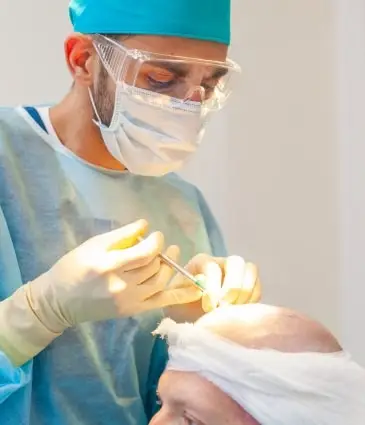
Some of the healthiest hair follicles from the donor area, usually the back of the head, are transferred to areas experiencing thinning or hair loss during a FUE or DHI hair transplant in Turkey. The objective is to permanently and naturally regrow hair. The main difference between FUE and DHI hair transplant is not how the hair is taken out, but how it is placed back into the scalp. That small difference can affect healing time, density, and even cost.
What is an FUE Hair Transplant?
Follicular Unit Extraction, or FUE, is one of the most popular hair transplant techniques used globally. Using a tiny punch instrument, each hair follicle is removed individually during FUE. Following extraction, the follicles are gently implanted after tiny channels are opened in the recipient location. When a greater region needs to be addressed, people frequently select DHI or FUE hair transplant in Turkey. FUE is adaptable, suitable for a variety of hair types, and enables doctors to transplant a large number of grafts in a single session.
What is a DHI Hair Transplant?
Direct Hair Implantation, or DHI, is an improved form of FUE. Implantation differs from the extraction process. Using a unique pen-like instrument, follicles are inserted straight into the scalp rather than first creating canals. A lot of folks who are debating between FUE and DHI hair transplants favor DHI due to its accuracy. More control over angle, depth, and direction is made possible, which is particularly useful for smaller regions or hairline design.
FUE or DHI Hair Transplant: Key Differences
When comparing FUE or DHI hair transplant, the main differences include:
- Implantation technique: channels first in FUE, direct placement in DHI
- Density control: often higher in DHI for small areas
- Shaving: FUE usually requires full shaving, DHI may allow partial shaving
- Session length: DHI sessions can take longer
Neither method is automatically better. The success of a FUE or DHI hair transplant depends heavily on the medical team’s experience.
Which One Looks More Natural?
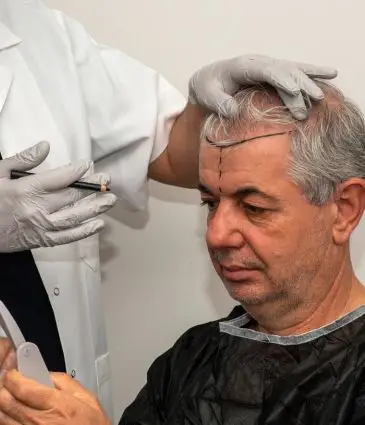
A natural result does not come from the technique alone. With FUE or DHI hair transplant, hairline planning, graft handling, and placement angles matter more than the method itself. FUE can look extremely natural, especially for larger areas. DHI may offer an advantage for detailed work like frontal hairlines. In real life, both methods can deliver excellent results when done properly.
Recovery and Healing After FUE or DHI Hair Transplant
For both methods, recovery is comparable. Small scabs and mild redness are typical. Most recipients of FUE or DHI hair transplants resume their regular activities in a matter of days. Although the difference is typically negligible, DHI may result in somewhat reduced trauma in the recipient area. It takes several months for the full effects of a FUE or DHI hair transplant to manifest.
Costs of FUE or DHI Hair Transplant in Turkey
One reason many international patients consider a FUE or DHI hair transplant abroad is affordability. While medical standards are still excellent, hair transplant expenses are typically lower in Turkey than in many Western nations. Istanbul Med Assist helps international patients access professional hair transplant services in Turkey, with costs depending on factors such as the technique employed, the quantity of grafts, the clinic's experience, and the services included in the package. Due to the need for specialized equipment and lengthier operating hours, DHI is frequently more expensive than FUE. Patients are recommended to think about quality, safety, and long-term outcomes rather than just price when choosing a hair transplant provider.
How to Decide Between FUE or DHI Hair Transplant
A professional consultation is the best approach to deciding between FUE or DHI hair transplants. A number of factors are involved, including expectations, lifestyle, donor area strength, and hair loss pattern. While many people have great results with either strategy, some people benefit more from FUE and others from DHI. A customized strategy is more important than following a trend.
Final Thoughts
There is no universal answer to the question of FUE or DHI hair transplant. Both methods are effective, safe, and capable of delivering natural results. Your unique demands and the level of experience of the medical team doing the treatment will determine which option is best for you. Taking time to understand your options is the first step toward a result you can feel confident about.
Frequently Asked Questions About FUE and DHI Hair Transplant
1. Is FUE or DHI Better for Natural-Looking Hair?
Neither technique automatically produces a more natural result. Natural appearance depends heavily on hairline design, graft distribution, follicle direction, density planning, graft handling, and surgical technique. Hair transplantation has evolved specifically around these factors to create increasingly natural outcomes.
2. What Is the Main Difference Between FUE and DHI?
FUE describes a technique in which individual follicular units are removed from the donor area using small punches. DHI generally refers to an implantation technique using an implanter device; the International Society of Hair Restoration Surgery notes that DHI should not be regarded as a separate hair-transplant harvesting method.
3. Can DHI Provide Greater Control Over Hair Placement?
Implanter techniques can allow the surgeon to control graft placement during implantation, including factors such as direction and density. Published surgical literature describes sharp implanter methods as one approach that can facilitate dense graft placement, but the outcome still depends on surgical planning and execution.
4. Does FUE Leave Scars?
FUE does not create the linear donor scar associated with strip-based FUT surgery, but it still involves small skin excisions and can leave tiny punctate scars in the donor area. Their visibility varies depending on factors such as punch size, healing, hair length, and individual skin characteristics.
5. How Is the Right Hair Transplant Technique Chosen?
The appropriate technique depends on factors such as the pattern and extent of hair loss, donor-area characteristics, desired density, hairstyle preferences, number of grafts required, and the surgeon’s assessment. Surgical planning and careful graft handling are important regardless of the implantation technique used.
- Addiction ( 34 )
- Bariatric ( 7 )
- Cardiology ( 15 )
- Check-up ( 71 )
- Ear Nose & Throat ( 1 )
- Eye Care ( 4 )
- General Surgery ( 6 )
- Gynecology ( 7 )
- Hair Transplant ( 6 )
- Hematology ( 2 )
- IVF ( 21 )
- Longevity ( 24 )
- Neurosurgery ( 7 )
- Oncology ( 15 )
- Orthopedics ( 12 )
- Physiotherapy ( 1 )
- Plastic & Beauty ( 10 )
- Transplantation ( 4 )
- Urology ( 9 )