Does Stem Cell Therapy Work for Infertility?
Stem cell therapy for infertility is still an experimental treatment rather than a proven replacement for IVF, and the honest answer is that it can improve the conditions for conception in some patients without guaranteeing a pregnancy. Published work so far points to better ovarian activity in women with a low reserve, improved sperm count and motility in some men, and a healthier uterine lining, but the studies are small and long-term data is limited. The treatment is usually given as an IV infusion combined with targeted injections into the ovaries, uterus or testes, and most patients are back to normal activity within a day or two. Anyone considering it in Turkey should ask which cell source is used, whether exosomes are included in the quoted price, and how the therapy is meant to fit around a planned IVF cycle. Infertility is a silent struggle many couples face, and it often brings emotional, physical, and financial stress. While treatments like IVF, medications, and surgeries have helped millions, not everyone responds the same way. This is why scientists and fertility specialists are exploring new solutions that focus on repairing and restoring the body. One of the most promising approaches today is stem cell therapy for infertility. But does it actually work? Let’s break it down in the simplest way possible.



What Is Stem Cell Therapy?
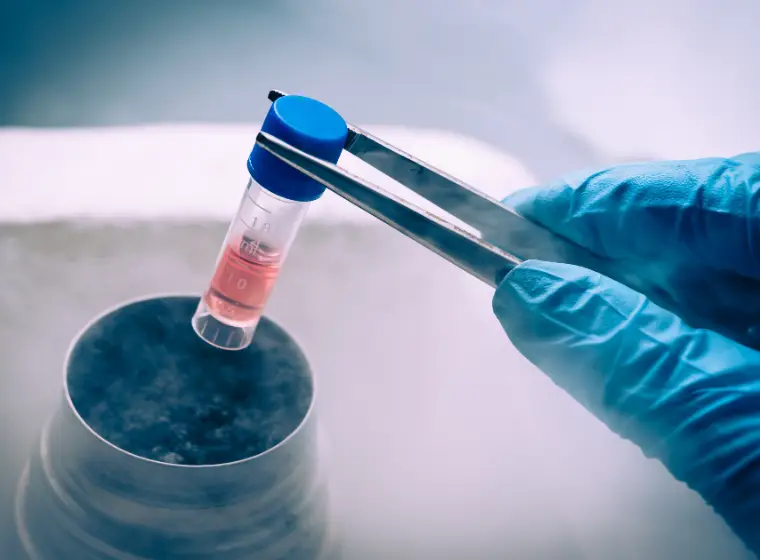
Stem cells are special cells that act like the body’s repair system. They can transform into other cell types, reduce inflammation, and aid the healing of damaged tissues. Because of these unique abilities, stem cell therapy has been used in many medical fields, from orthopedics to neurology, and is now being studied in reproductive medicine. For infertility, doctors primarily use mesenchymal stem cells or stem cell–derived exosomes. These can improve cellular health, encourage regeneration, and support hormonal balance. Treating the underlying causes of infertility rather than merely its symptoms is the aim.
How Stem Cell Therapy May Help Women
Women experience infertility for many reasons, including low ovarian reserve, premature ovarian failure, hormonal imbalances, or a thin endometrium. Stem cell therapy may help because:
- It boosts blood flow to the ovaries.
- It reduces inflammation in reproductive tissues.
- It promotes repair of damaged follicles.
- It may help restore hormone regulation.
Some early studies have shown increases in AMH levels, the return of menstrual cycles in women with premature ovarian failure, and improved egg response during fertility treatments. While these results are encouraging, every woman’s body responds differently.
How Stem Cell Therapy May Help Men
Male infertility often stems from low sperm count, poor motility, or damage to testicular tissue. Stem cell therapy aims to support sperm production by:
- Regenerating damaged cells inside the testes
- Reducing oxidative stress
- Improving the environment where sperm develop
Some men have shown improvements in sperm count, motility, and overall fertility health after receiving stem cell-based treatments. Again, results vary, and more long-term studies are needed.
Does It Actually Work? What Science Says
The honest answer: Stem cell therapy for infertility is promising but still considered experimental.
Current research shows positive results, such as:
- Higher ovarian activity
- Improved sperm parameters
- Healthier uterine lining
- Better response to IVF treatments
However, large clinical trials are still ongoing. Stem cell treatment is not a sure solution, and it does not replace fertility treatments like IVF. Instead, it may improve the body’s ability to produce healthier eggs or sperm, giving couples a better chance at success.
How the Procedure Works
Most treatments are minimally invasive and follow this structure:
- Stem cells or exosomes are often prepared from Wharton’s jelly or similar sources.
- IV infusion delivers regenerative support throughout the body.
- Targeted injections go directly to the ovaries, uterus, or testes.
- Sedation or local anesthesia is used for comfort.
- Recovery is typically fast, and many patients return to normal activities quickly.
Some clinics use this therapy as part of a one-day fertility protocol alongside testing and ultrasound evaluation.
Who Might Be a Good Candidate?
Stem cell therapy may be helpful for:
- Women with low ovarian reserve
- Women with premature ovarian failure
- Men with a low sperm count or motility concerns
- Couples who failed IVF multiple times
- Those looking for a regenerative alternative to hormone-heavy treatments
A fertility specialist should always guide the decision.
Costs in Turkey
Turkey has become a popular destination for regenerative fertility treatments due to its advanced medical centers, experienced specialists, and lower prices than in Western countries. The total cost depends on the type of stem cells, whether exosomes are included, and whether the therapy is combined with IVF or other treatments.
Final Thoughts: Does Stem Cell Therapy for Infertility Work?
Stem cell therapy is not a magic solution. Still, it holds real promise for people struggling with infertility, especially those with ovarian decline, testicular damage, or poor response to traditional treatments. It focuses on healing and regeneration, which makes it different from standard fertility options. While research is still growing, many couples use stem cell therapy to improve their chances before starting IVF or after unsuccessful attempts. The best approach is a personalized evaluation with a specialist who understands regenerative medicine and fertility.
Frequently Asked Questions About Stem Cell Therapy for Infertility
1. Can stem cell therapy replace IVF?
No. It is used alongside fertility treatment, not instead of it. The idea is to improve egg or sperm quality and the condition of the uterine lining so that a later IVF cycle has a better starting point. Couples who are already in an IVF programme should discuss the timing with their fertility specialist before booking anything.
2. How long does it take before any change shows up?
Most protocols are assessed after about three months, because that is roughly how long a sperm production cycle takes and how long follicles need to develop. Women are usually monitored with hormone tests and ultrasound, men with a repeat semen analysis. A single set of results is not enough to judge the treatment, so doctors normally compare at least two.
3. What actually happens on treatment day?
The visit generally includes blood tests and an ultrasound, then an IV infusion, then targeted injections into the ovaries, uterus or testes under sedation or local anaesthesia. The whole thing is usually finished within a day. Patients can walk out the same afternoon, although they are told to avoid heavy exercise for a short period.
4. Is the treatment safe?
The procedures themselves are minimally invasive and carry the usual small risks of injection and sedation, such as bleeding, discomfort or infection at the injection site. The bigger question is not safety but proof of benefit, since the evidence base is still thin. Ask the clinic where the cells come from, how they are processed, and what happens if the therapy produces no measurable change.
5. Why do patients travel to Turkey for this?
Turkish centres combine regenerative medicine with established IVF units, so testing, therapy and follow-up can be arranged in one place and often in a single short trip. Prices are lower than in most Western European and North American clinics. Before travelling, patients should confirm the specialist’s fertility background and get a written breakdown of what the package covers.
- Addiction ( 33 )
- Bariatric ( 7 )
- Cardiology ( 13 )
- Check-up ( 70 )
- Ear Nose & Throat ( 1 )
- Eye Care ( 4 )
- General Surgery ( 6 )
- Gynecology ( 7 )
- Hair Transplant ( 6 )
- Hematology ( 2 )
- IVF ( 21 )
- Longevity ( 23 )
- Neurosurgery ( 7 )
- Oncology ( 15 )
- Orthopedics ( 11 )
- Physiotherapy ( 1 )
- Plastic & Beauty ( 10 )
- Transplantation ( 4 )
- Urology ( 9 )