Cocaine Addiction: How Treatment Works and What You Should Know
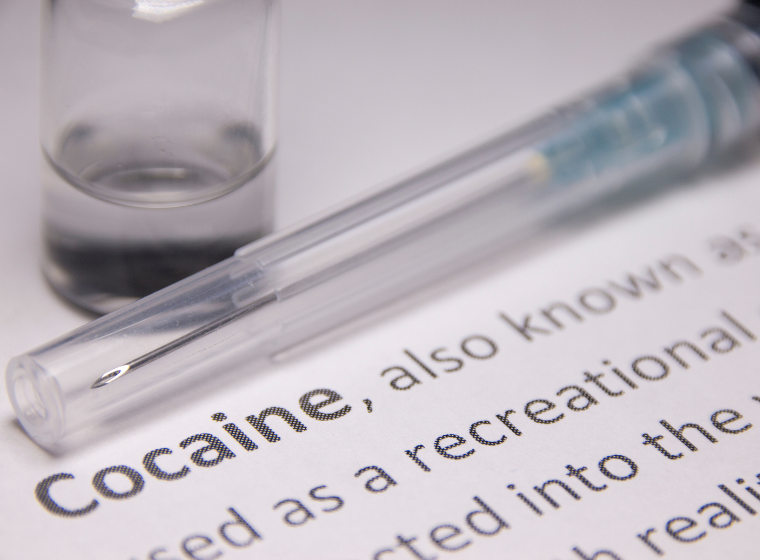
Cocaine addiction remains one of the most challenging substance-use problems worldwide, not only because of how addictive the drug is, but also because it affects a person’s mind, emotions, and relationships. Many people start using it socially or out of curiosity, but it quickly becomes a cycle that feels impossible to escape. The good news is that cocaine addiction is treatable, and recovery is absolutely possible with the right support. Understanding how cocaine addiction treatment works can help you or someone you love take the first step toward a healthier life.



How Cocaine Affects the Brain and Body
Cocaine creates an intense and short-lived burst of energy. It elevates dopamine levels in the brain, which makes a person feel joyful, confident, and attentive. But once the effect wears off, the brain wants more to recreate the same high. Over time, this builds to dependence. Long-term use can cause major health difficulties, including anxiety, heart problems, mood fluctuations, irritability, and difficulty sleeping. People may also experience changes in behaviour, becoming secretive, restless, or unusually aggressive. When these signs start appearing, it’s a strong indication that professional cocaine addiction treatment is needed.
When You Should Seek Help
Many people delay seeking help because of embarrassment or fear of judgment. But addiction is a medical condition, not a personal failure. You should consider contacting out for help when you observe continuous cravings, failed attempts to stop, neglecting duties, or personality changes. Early intervention makes the treatment process much easier, but even long-term users can recover with the right guidance.
Step One: The Medical Assessment
Every treatment journey starts with a detailed assessment. Doctors or addiction specialists will ask about drug use history, general health, mental health, and lifestyle. This helps them create a personalized plan based on your unique needs. Cocaine addiction affects everyone differently, so a one-size-fits-all approach doesn’t work. A proper assessment ensures treatment is safe, structured, and effective.
Detox: Clearing Cocaine Safely from the Body
Detox is the process of removing cocaine from your system. It’s not usually physically dangerous, but withdrawal can be emotionally uncomfortable. People may feel tired, anxious, depressed, or irritable. Because of this, detox is best done under medical supervision. Doctors can help manage symptoms and provide psychological support. Detox typically lasts a few days, but its purpose is to prepare the mind and body for deeper treatment, not to cure addiction by itself.
Therapy: The Core of Cocaine Addiction Treatment
Therapy is where real change happens. Different types of therapy help patients understand their triggers, build healthier habits, and stay away from cocaine long-term.
- Cognitive Behavioural Therapy (CBT) teaches people how to identify thought patterns that lead to substance use and replace them with healthier choices.
- Motivational Interviewing helps strengthen a person’s internal desire to change, especially when they feel stuck or unsure.
- Contingency Management rewards positive behaviours, such as negative drug tests, making recovery feel more structured and achievable.
- Family Therapy can also play an important role, helping rebuild trust and creating a supportive home environment.
Inpatient vs. Outpatient Treatment
Both options can work well, depending on the person’s lifestyle and addiction severity. Inpatient programs offer a structured, safe environment where patients stay at the clinic. This is ideal for severe addiction, for people with unstable home environments, or for those who need intensive daily support. Outpatient programs allow individuals to live at home while attending therapy sessions several times a week. This works well for those with mild to moderate addiction or strong family support.
Medication Options
There is no specific medication that “cures” cocaine addiction, but doctors may prescribe treatments to reduce cravings, help with anxiety, or stabilize mood. Research is ongoing, and new approaches continue to emerge, especially for long-term relapse prevention.
Life After Treatment: Staying Clean
Recovery doesn’t end the moment therapy stops. Building a stable routine, finding healthy coping strategies, joining support groups, and staying connected to therapists can make a big difference. Exercise, sleep, and nutrition also play major roles in emotional stability and relapse prevention.
Cocaine Addiction Treatment in Turkey
International patients looking for treatment for cocaine addiction now choose Turkey. Clinics offer modern facilities, experienced specialists, and personalized programs in a calm, confidential environment. The overall cost of care is generally more affordable than in Western countries, which is why many people travel for treatment. Istanbul Med Assist also supports international patients with addiction treatment options, helping them access structured and professional care.
Final Thoughts
Cocaine addiction is difficult, but it is not permanent. With proper treatment, a strong support system, and commitment, recovery becomes a realistic and life-changing journey. The first step is simply reaching out for help, and that step can transform everything.
- Addiction ( 30 )
- Bariatric ( 2 )
- Cardiology ( 11 )
- Check-up ( 61 )
- Ear Nose & Throat ( 1 )
- Eye Care ( 2 )
- General Surgery ( 3 )
- Gynecology ( 6 )
- Hematology ( 2 )
- IVF ( 19 )
- Neurosurgery ( 6 )
- Oncology ( 15 )
- Orthopedics ( 8 )
- Physiotherapy ( 1 )
- Plastic & Beauty ( 7 )
- Stem Cells & Longevity ( 19 )
- Transplantation ( 4 )
- Urology ( 9 )