When Do You Need a Colonoscopy?
A colonoscopy is one of the most important tools doctors use to check the health of your colon and detect problems early. Many people only think about the procedure when something feels wrong, but knowing when you actually need a colonoscopy can make a huge difference. Early screening saves lives, reduces risk, and gives you peace of mind. And yes, good colonoscopy prep makes the whole experience even easier than most people expect.


Why Colonoscopies Matter
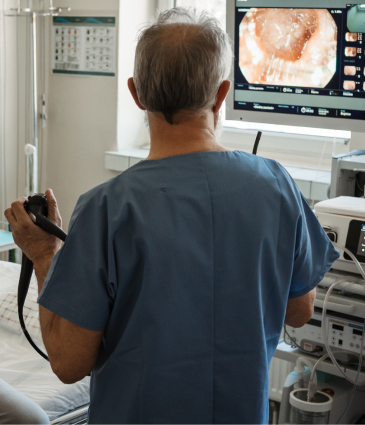
A colonoscopy permits a medical professional to inspect your colon with a small, flexible camera. It helps detect polyps, inflammation, bleeding, or signs of colon cancer. The greatest benefit is that if polyps are discovered, they may frequently be removed during the surgery, preventing them from later developing into cancer. Most people don’t realize how many colon issues develop silently. That’s why guidelines exist to help decide when you need a colonoscopy, even if you feel completely healthy.
When Do You Need Your First Colonoscopy?
1. Age-Based Screening
For most adults, the first colonoscopy is recommended at age 45. This is because colon cancer risk increases with age, and early polyps rarely cause symptoms. Regular screening every 5–10 years helps catch any issues before they become serious.
2. When You Have Symptoms
Even if you’re younger than 45, certain symptoms mean you shouldn’t wait. You may need a colonoscopy if you experience:
- Unexplained abdominal pain
- Blood in stool
- Chronic constipation or diarrhea
- Narrow stools
- Sudden weight loss
- Fatigue from anemia
If any of these occur, your doctor will likely ask about colonoscopy prep to ensure the test can be performed quickly and safely. Symptoms often appear late, so getting checked early is always better.
3. If Colon Cancer Runs in the Family
A family history of colon cancer or polyps is a major predictor of risk. If a parent, sibling, or child has had colon cancer, your screening may begin at 40 or even earlier. Your doctor will guide you and explain how to prepare for the colonoscopy using the correct prep steps.
4. If You Have Certain Digestive Conditions
People with Crohn’s disease or ulcerative colitis often need regular colonoscopies to monitor inflammation. Also, if you have had polyps removed in the past, follow-up colonoscopies are important to prevent new ones from forming.
Colonoscopy Prep: Why It Matters
Many people worry more about colonoscopy prep than the actual procedure, but the process is simpler than it sounds. Prep includes cleaning out your colon with a special solution, drinking clear liquids, and making simple diet adjustments the day before. Good preparation ensures your doctor can clearly see the lining of your colon. If prep isn’t done properly, the test may need to be repeated, which is something no one wants. Most patients find the procedure itself easy: you’re sedated and comfortable, and the entire process typically lasts only 20–30 minutes.
Why Early Screening Saves Lives
Colon cancer happens to be one of the most treatable cancers, and early detection is the key. When found early, treatment success rates are extremely high. When found late, treatment becomes more complicated. You don’t need to wait until something feels “wrong.” A colonoscopy is a proactive step toward long-term health.
Costs in Turkey
Colonoscopy procedures in Turkey are often more affordable than in many Western countries, making it a popular choice for international patients. Costs normally include the consultation, procedure, and follow-up examinations. Patients value the excellent facilities, cutting-edge technology, and reasonably priced, skilled specialists.
Colonoscopy at Istanbul Med Assist
Istanbul Med Assist offers comprehensive gastrointestinal check-up options, including the Essential Gastroenterology Check-Up, Gold Check-Up, and Platinum Check-Up packages. These may include colonoscopy, blood tests, imaging, and specialist consultations. Patients benefit from comfortable care, fast scheduling, and full support throughout their journey, including guidance on colonoscopy prep and recovery.
Final Thoughts: Don’t Delay Your Screening
You need a colonoscopy at 45, earlier if you have symptoms, and even sooner if colon cancer runs in your family. Knowing when to schedule a colonoscopy and completing proper colonoscopy prep help protect your health before problems begin. A colonoscopy is not just a test. It’s a life-saving screening that gives you control over your future health. If you’re unsure whether it’s time, it’s always best to ask your doctor and take the step toward early detection.
- Addiction ( 30 )
- Bariatric ( 2 )
- Cardiology ( 11 )
- Check-up ( 61 )
- Ear Nose & Throat ( 1 )
- Eye Care ( 2 )
- General Surgery ( 3 )
- Gynecology ( 6 )
- Hematology ( 2 )
- IVF ( 19 )
- Neurosurgery ( 6 )
- Oncology ( 15 )
- Orthopedics ( 8 )
- Physiotherapy ( 1 )
- Plastic & Beauty ( 7 )
- Stem Cells & Longevity ( 19 )
- Transplantation ( 4 )
- Urology ( 9 )