Total Body Check-Up Tests: What Each Test Detects
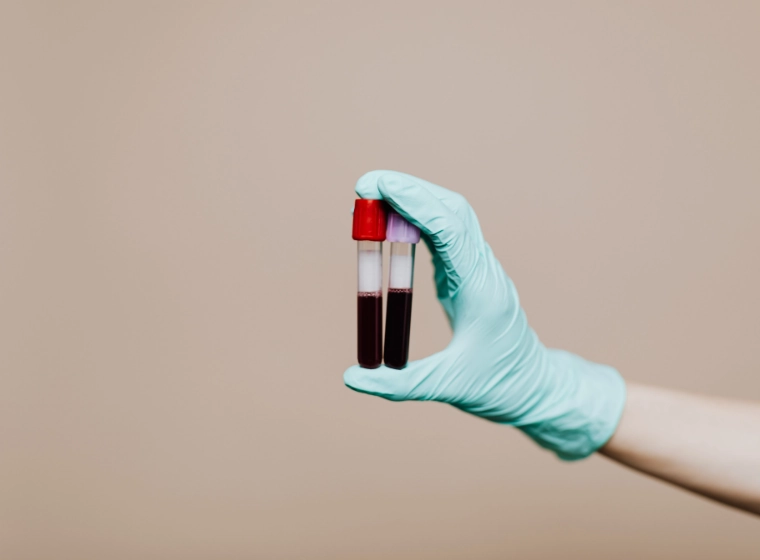
Blood tests, heart checks, organ function tests, medical imaging, and cancer screenings help to find possible health issues. A full blood count identifies infections and anemia; blood glucose and HbA1c tests evaluate diabetes risk; cholesterol tests check cardiovascular health; liver and renal function tests show probable organ problems. While ECG, ultrasound, and MRI scans assist doctors explore heart function and interior organs, thyroid testing reveals hormone imbalances. A complete body check-up might also include recommended cancer screenings to identify some diseases before symptoms show depending on age, medical history, and personal risk factors.

Just what comprises a Total Body Check-Up?
Through lab testing, clinical exams, and diagnostic imaging, a full body check-up looks at many facets of physical health. Doctors evaluate several body systems to spot possible health hazards instead of concentrating on just one symptom.
Usually a complete health check includes:
- Blood health: Anemia, infections, and abnormalities in blood cells.
- Heart health: Cholesterol levels, rhythm of the heart, and risk of cardiovascular events.
- Metabolic health: Blood glucose management and risk of diabetes.
- Liver and kidney health: Organ performance and possible anomalies.
- Hormonal health: Thyroid function and chosen hormone abnormalities.
- Internal organs: Structural abnormalities detected by ultrasonic or other imaging methods.
- Cancer screening: Particular tests depending on age, medical background, and personal risk factors.
Every person does not have to take every test. Before suggesting a sensible combination, doctors consider age, symptoms, family history, drugs, and lifestyle.
Blood Tests in a Total Body Check-Up: What Do They Find?
Blood tests offer insightful data about internal processes that physical exams may not always show. A few common tests enable doctors to know how the body works.
Anemia and Blood Diseases: Complete Blood Count (CBC)
Red blood cells, white blood cells, hemoglobin, and platelets are all counted in a complete blood count.
Low hemoglobin levels can point to anemia, while odd white blood cell counts could point to inflammation, infection, or some blood diseases. Abnormalities in platelets can also offer hints about diseases influencing blood coagulation.
Doctors consider symptoms and medical history in addition to these data instead of depending on one odd value.
Blood Glucose and HbA1c: Risk for Diabetes
Blood glucose tests tell you how much sugar is moving around in your blood.
Fasting blood glucose measures high blood sugar levels; the HbA1c test predicts average blood glucose over around three months.
These tests enable medical professionals to spot prediabetes, identify diabetes, and track glucose control. Screening could be helpful for those who are overweight, have high blood pressure, or have a family history of diabetes.
Lipid Profile: Cholesterol and Heart Risk
A lipid profile checks various crucial blood lipids:
- Low-density lipoprotein cholesterol
- High-density lipoprotein cholesterol
- Whole cholesterol
- Triglycerides
Increased LDL cholesterol raises cardiovascular risk by driving plaque development inside arteries.
Along with blood pressure, smoking history, age, and other medical concerns, a lipid profile assists doctors in assess this risk.
Liver Function Tests: Inflammation and Liver Health
Usually included in liver function tests are ALT, AST, ALP, GGT, bilirubin, and albumin.
Unusual findings can point to inflammation of the liver, problems with the bile ducts, or other illnesses impacting liver health.
For instance, although blood tests alone cannot confirm the diagnosis, high liver enzymes might sometimes indicate fatty liver disease.
Doctors might advise an abdominal ultrasound if lab results point to more research needs.
Creatinine and eGFR: Tests of Kidney Function
Doctors can use kidney function tests to determine how well the kidneys filter toxins from the blood.
Creatinine and estimated glomerular filtration rate (eGFR) help to determine kidney filtration. Urine testing can expose protein, blood, or other anomalies.
People who have diabetes, high blood pressure, or a family history of kidney illness especially need these tests.
Iron, thyroid, and vitamin tests
TSH is often the first thyroid test. Doctors could include free T4 or other metrics as needed.
These tests enable one to look into symptoms such sensitivity to temperature, unexplained weight changes, or chronic exhaustion.
Iron reserve evaluations come from ferritin and iron testing, which also help with anemia diagnosis. Though regular testing does not benefit everyone, vitamin B12 and vitamin D testing might help expose suspected deficiencies.
Heart and Cardiovascular Tests: What May They Show?
Cardiovascular exams enable doctors to assess heart function, blood flow, and elements connected with heart disease.
An electrocardiogram, or ECG
An electrocardiogram notes the heart's electrical activity.
It can point to particular irregular heart rhythms, conduction difficulties, and changes indicating cardiac diseases.
But a regular ECG cannot rule out every cardiac issue, especially coronary artery disease.
Echocardiography
Echocardiography looks at the structure and movement of the heart using sound waves.
Doctors use it to evaluate cardiac valve performance, pumping ability, and some structural abnormalities.
People who have heart murmurs, unexplained shortness of breath, or certain cardiovascular problems could need this test.
Cardiac Stress Testing and Coronary CT Angiography
Cardiac stress testing examines heart activity during physical activity or pharmacologically induced stress.
Using specific imaging, Coronary CT angiography looks at coronary arteries to spot plaque or narrowing.
Based on symptoms and cardiovascular risk instead of routinely including them in general screening, doctors advise these tests.
After reviewing the suitable tests with a cardiologist, patients with specific cardiac issues might investigate an Essential Heart Check-up in Turkey.
Medical Imaging Tests: What Do Ultrasound, MRI, and CT Find?
Medical imaging lets doctors see interior structures that regular testing cannot capture.
Thyroid and abdominal ultrasound
Abdominal ultrasound looks at organs like the spleen, gallbladder, kidneys, and liver.
It can find structural flaws, particular masses, kidney cysts, and gallstones. Ultrasonic thyroid imaging lets medical professionals check thyroid enlargement and abnormalities.
For many medical evaluations, ultrasound is helpful as it does not include ionizing radiation.
Comprehensive Body MRI
To create thorough images of interior structures, magnetic resonance imaging employs radio waves and magnetic fields.
A Full Body MRI in Turkey can assist spot some problems with bones, muscles, soft tissues, and organs.
Still, whole-body MRI cannot dependably find every cancer or ailment. Additionally revealed are benign results that cause needless research.
Therefore, before prescribing whole-body screening, doctors should clarify its possible advantages and limits.
CT Scans and Chest Imaging
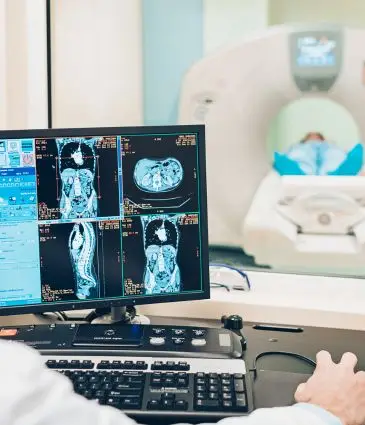
Internal structures are shown in great detail on cross-sectional images from CT scans.
For those who satisfy particular age and smoking-history requirements, doctors could advise low-dose chest CT for lung cancer screening.
Unlike MRI and ultrasonography, CT uses ionizing radiation. The medical advantage ought to support the exposure.
Cancer Screening Examinations: Can an annual physical catch cancer early?
Some screening tests can spot precancerous or malignant changes before symptoms show.
No one blood test or full-body scan, nevertheless, surely identifies every kind of cancer.
Two techniques used to check the colon for issues are colonoscopy and stool testing.
A colonoscopy lets medical professionals check the inside lining of the large intestine and spot inflammation, polyps, or questionable anomalies.
During the exam, doctors can also take out some polyps, therefore lowering colon cancer risk.
For qualified people, stool-based screening tests present still another choice. Age, family history, and personal risk all affect screening recommendations.
Screening of the Breast, Cervical, and Prostate
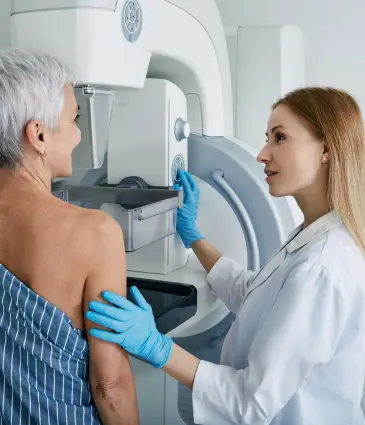
Mammography finds questionable breast alterations, including some malignancies before they manifest visible symptoms.
Based on relevant recommendations, cervical screening combines HPV testing, Pap testing, or both.
PSA blood testing helps evaluate chosen men's prostate health. High PSA levels, however, do not always point to malignancy.
Before recommending prostate screening, doctors should go over possible advantages and drawbacks.
What about tumor markers? Blood indicators like CEA, CA-125, and CA 19–9 cannot separately identify or rule out cancer. Many lack enough precision for daily screening in healthy individuals.
How Should You Select the Ideal Total Body Check-Up Package?
Selecting a check-up calls for more than just picking the package with the most tests.
Younger adults free of symptoms could profit from simple metabolic testing and preventative counseling. Anyone with diabetes, cardiovascular risk factors, or a major family history could need more focused testing.
Istanbul Med Assist provides numerous Full Body Health Check-Up Packages in Turkey, including Premium, Platinum, Essential, and Comprehensive choices. Package components differ and could comprise expert consultations, lab tests, cardiac exams, and advanced imaging.
How Ought You Get Ready For A Comprehensive Body Check-up?
Preparation is determined by the tests slated in the appointment.
While HbA1c testing does not, some blood tests call for fasting. Healthcare professionals should make sure fast is required and specify the right length.
Before going to a check-up, patients ought to:
- Bring any past medical records and applicable test results you may have.
- Share all of their supplements and prescription drugs.
- Share any medical issues and allergies you may have.
- Describe any present symptoms or family history of sickness.
- For imaging or gastrointestinal tests, follow exact guidelines.
Patients ought not to discontinue advised medication without medical advice.
A doctor looks over the results, explains abnormalities, and decides if more testing or follow-up visits are required following testing.
Regular preventative care also covers physical activity, good lifestyle choices, blood pressure monitoring, and immunizations.
Frequently Asked Questions Regarding Total Body Check-Up Tests
1. The most crucial examinations in a full body check-up are what?
Popular tests include cholesterol readings, blood glucose or HbA1c, full blood count, and chosen liver and renal function tests. Based on personal health concerns instead of using the same screening panel on everyone, doctors advise more tests.
2. Can a comprehensive body check-up find undetected illnesses?
A check-up will help you find some diseases including diabetes, high cholesterol, and some kidney problems before the symptoms show. Normal screening results, though, do not assure the absence of illness; hence, more testing could be needed.
3. How often should a person get a full body check?
How often one should get checked depends on their age, medical history, current issues, and personal risk factors. Certain measures demand less often evaluation whereas others call for regular monitoring. An appropriate preventive screening timetable can be set by a doctor.
4. Does a thorough body check-up encompass cancer screening?
Certain all-inclusive packages include examinations such breast cancer, colon screening, or prostate evaluation. Doctors choose relevant tests depending on individual risk and accepted screening guidelines. Routine tumor marker panels cannot take the place of cancer screening based on facts.
5. How long does a full body examination run?
The frequency relies on the kind and quantity of tests. Many basic tests can be done in one day; more complex imaging, colonoscopy, or follow-up expert visits could take longer. Before their visit, patients should double check the plan and preparation requirements.
- Addiction ( 34 )
- Bariatric ( 7 )
- Cardiology ( 15 )
- Check-up ( 73 )
- Ear Nose & Throat ( 1 )
- Eye Care ( 4 )
- General Surgery ( 6 )
- Gynecology ( 7 )
- Hair Transplant ( 6 )
- Hematology ( 2 )
- IVF ( 22 )
- Longevity ( 24 )
- Neurosurgery ( 7 )
- Oncology ( 15 )
- Orthopedics ( 12 )
- Physiotherapy ( 1 )
- Plastic & Beauty ( 10 )
- Transplantation ( 4 )
- Urology ( 10 )