Hair Transplant for Women in Turkey: A Growing Trend
Hair transplant for women in Turkey has grown quickly because the same clinics that built the country’s reputation in male hair restoration now run female cases daily, at prices reported to be up to 70% below US and European levels. Women are usually treated with FUE or DHI under local anesthesia in a session of a few hours, and DHI is the more popular of the two because it does not require shaving the whole head. Because female hair loss is often diffuse and driven by hormones, thyroid problems or PCOS, a scalp examination should come before anyone quotes a graft number, and new growth then takes three to four months to start and nine to twelve months to show fully. Clinics in Istanbul now schedule female cases every week, and that steady demand is what makes hair transplant for women in Turkey a growing trend. Although many people believe that men are the only ones who suffer from hair loss, many women also have bald patches or thinning hair. For women, hair is a symbol of confidence and beauty, so losing it can be emotionally challenging. Thankfully, medical advancements have made it possible for women to restore their hair naturally and permanently. One of the most popular solutions today is hair transplant for women, and Turkey has become a global hotspot for this treatment.

Understanding Female Hair Loss
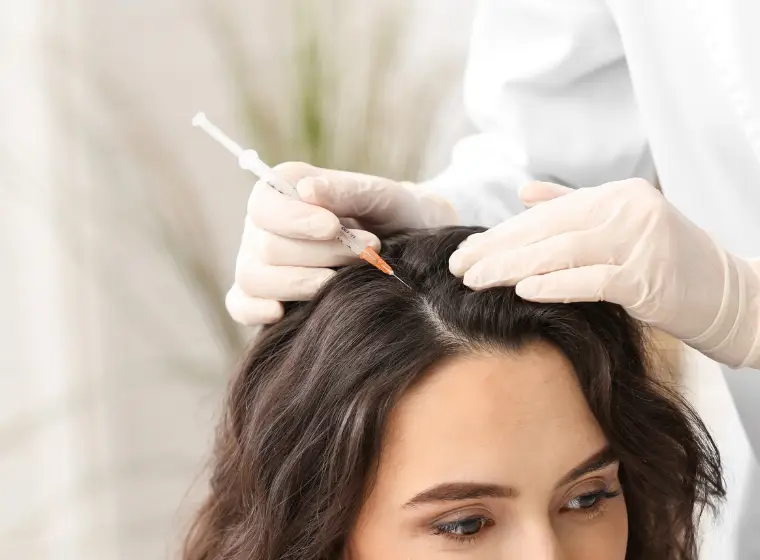
There can be several reasons why women lose their hair. Hormonal fluctuations, heredity, stress, bad diet, or illnesses like polycystic ovarian syndrome (PCOS) or thyroid imbalance could be the cause. Some women also lose hair after pregnancy or menopause. Unlike men, who usually lose hair in specific patterns, women tend to experience overall thinning across the scalp. This makes treatment more delicate and personalized. Before choosing any treatment, doctors usually examine the scalp to find out the exact cause of hair loss. Once they understand the reason, they can recommend the right solution, and for many, that solution is a hair transplant.
Why Turkey is Leading the Way
Turkey’s superiority in cosmetic and medical operations has earned it prominence on a global scale. Thousands of people visit Turkey each year in search of high-quality, reasonably priced treatments, such as women hair transplants. Modern facilities, sophisticated procedures that provide results that look natural, and skilled surgeons are all hallmarks of Turkish clinics. The main reason so many women choose Turkey is the balance between quality and cost. The cost of a hair transplant in Turkey might be as much as 70% lower than in the US or Europe, but the quality is still the same. On top of that, many clinics offer all-inclusive packages that cover accommodation, airport transfers, and aftercare services. It’s easy, professional, and comfortable.
Best Hair Transplant Methods for Women
FUE and DHI are the two primary techniques utilized for hair transplantation in women.
- Follicular Unit Extraction is an innovative method that involves transplanting individual hair follicles into thinning areas after removing them from the donor location, which is often the back of the head. This technique leaves no visible scars and provides a natural look.
- Direct Hair Implantation is particularly common among females because to the fact that it does not necessitate shaving the entire head. Instead, doctors use a special pen-like tool to implant the hair directly. This allows women to keep their existing hairstyles and return to daily life faster. Both methods are minimally invasive, performed under local anesthesia, and take a few hours to complete. The choice between FUE and DHI depends on the woman’s hair type, the size of the area to be treated, and personal preferences.
What to Expect During the Procedure
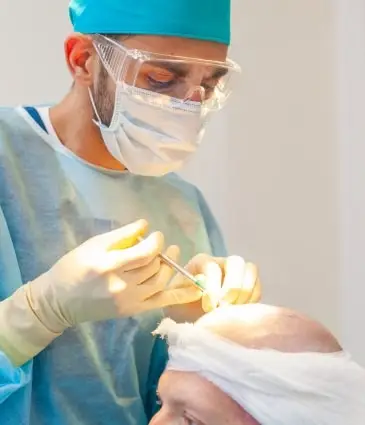
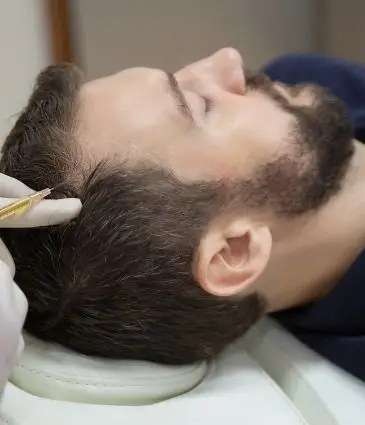
A typical hair transplant for women begins with a consultation and scalp examination. The surgeon plans the new hairline and determines where to take donor hair. The process involves carefully removing tiny hair grafts from the donor area and implanting them into the areas that are thinning. The process is pain-free thanks to local anesthesia. After the transplant, women can usually go home the same day. Mild swelling or redness may appear for a few days, but this quickly fades. New hair starts to grow in 3–4 months, and after 9–12 months, the full effects are visible. The final outcome is permanent and completely natural-looking.
Why More Women Are Choosing Hair Transplants
Over the past decade, hair transplant for women have become a global trend and for good reason. Social awareness about hair loss has grown, and women now feel more confident about seeking treatment. Many have shared their successful transformations online, inspiring others to take action. Modern technology also plays a role. With no need to shave the head or undergo lengthy recovery, more women find the procedure convenient and discreet. Hair restoration isn’t just about beauty; it’s about self-esteem and emotional well-being.
Affordable Hair Transplant Costs in Turkey
The cost of a hair transplant for women in Turkey depends on the procedure carried out, the number of grafts required, and the clinic’s standing. However, even at the highest level, it remains significantly more affordable than in Western countries. This price difference enables women from around the world to access top-tier medical care without financial strain.
Choosing the Right Clinic
Selecting a licensed facility with skilled surgeons is crucial for women in Turkey who are considering getting a hair transplant. Look for clinics that provide detailed consultations, show real before-and-after photos, and maintain strict hygiene standards. A trustworthy clinic will always offer honest advice and realistic expectations.
Conclusion
Hair transplant for women in Turkey is a movement that gives women the ability to take charge of their looks and self-esteem, not merely a fad for beauty. With its cutting-edge methods, knowledgeable medical professionals, and reasonably priced solutions, Turkey has emerged as the top location for female hair restoration. For many women, this technique not only restores their hair but also their comfort, joy, and self-confidence.
Frequently Asked Questions About Hair Transplant for Women in Turkey
1. Do women have to shave their heads for a hair transplant?
Not usually. DHI is the technique most often chosen for women precisely because it does not require shaving the whole head, so existing hairstyles can be kept and daily life resumes faster. Some clinics still shave a small strip in the donor area at the back, which longer hair covers easily. Ask the clinic what its unshaven protocol actually involves before you travel.
2. Is every woman with thinning hair a candidate?
No, and this is where a scalp examination matters. Because women often thin diffusely across the whole scalp rather than in a fixed pattern, the donor area at the back may itself be affected, which limits how many grafts can safely be moved. If the cause is hormonal, thyroid related, or linked to PCOS, doctors normally treat the underlying condition first and reassess afterwards.
3. How long does the procedure take and when can I fly home?
Both FUE and DHI are done under local anesthesia and take a few hours, and patients generally go home the same day. Most clinics ask you to stay in Turkey for about three days so they can carry out the first wash and a check-up before you leave. Mild swelling or redness in the first days is normal.
4. When will the new hair actually show?
Transplanted hairs shed within the first weeks, which surprises many patients. Regrowth starts at around three to four months, and the full effect is visible between nine and twelve months. Judging the result before that point gives a misleading picture.
5. What should I check before booking a clinic?
Confirm that the facility is licensed and that a qualified surgeon, not only technicians, plans the hairline and supervises the operation. Ask for before and after photos of female patients with a similar type of thinning, and get the graft number, the technique and the aftercare in writing. A clinic that promises coverage without examining your donor area first is worth avoiding.
- Addiction ( 33 )
- Bariatric ( 7 )
- Cardiology ( 13 )
- Check-up ( 69 )
- Ear Nose & Throat ( 1 )
- Eye Care ( 3 )
- General Surgery ( 6 )
- Gynecology ( 7 )
- Hair Transplant ( 5 )
- Hematology ( 2 )
- IVF ( 21 )
- Longevity ( 22 )
- Neurosurgery ( 7 )
- Oncology ( 15 )
- Orthopedics ( 11 )
- Physiotherapy ( 1 )
- Plastic & Beauty ( 7 )
- Transplantation ( 4 )
- Urology ( 9 )