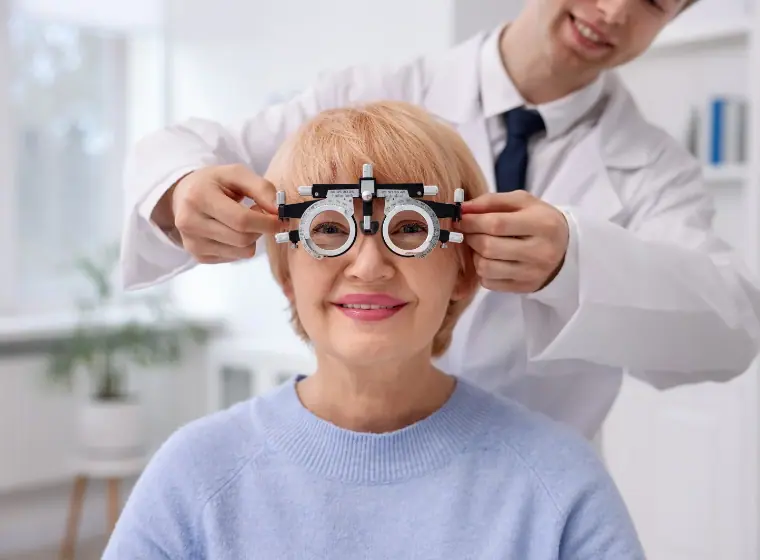
LASIK Requirements: Eye and Health Checks Before Surgery
Not everyone who wears glasses or contact lenses is a suitable candidate for LASIK. Eligibility depends on your age, prescription stability, corneal structure, and overall health. A comprehensive eye examination helps identify conditions that could affect surgical safety and recovery. Factors such as diabetes, dry eyes, and certain medications also influence the decision. Patients who do not meet LASIK requirements may benefit from exploring alternative vision correction procedures.
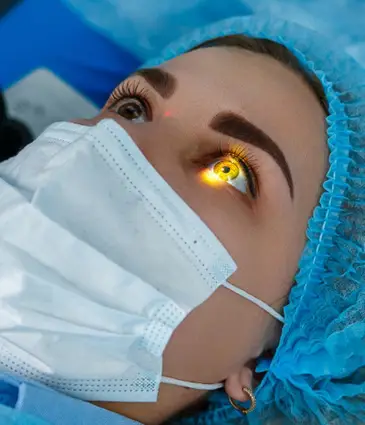
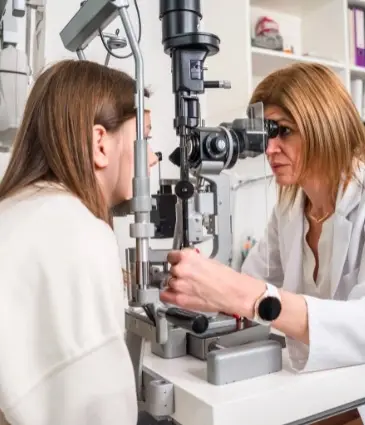
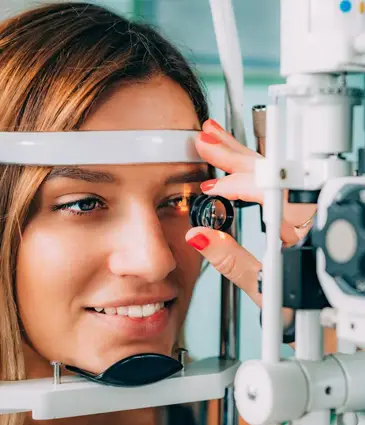
LASIK requirements include a stable eye prescription for at least one year, an age of 18 or older, healthy eyes, and enough corneal tissue for laser correction. During the initial consultation, the eye doctor checks corneal thickness, tear quality, pupil size, eye pressure, and retinal health. Your medical history, regular medications, and certain health conditions also matter. Even if you meet the basic requirements, your individual eye measurements will determine whether LASIK is right for you.
Who Is a Good Candidate for LASIK?
Two people with exactly the same glasses prescription may receive very different recommendations from an eye surgeon. The reason often comes down to their corneal structure, medical history, or changes in vision over time.
Age and Stable Prescription
Although 18 is generally the minimum age for LASIK, reaching this age does not guarantee eligibility. Vision can continue changing well into a person’s early twenties.
Think back to your last few eye appointments. Have you needed stronger glasses each year? If so, waiting may be a better choice. Most surgeons look for a prescription that has remained stable for at least 12 months.
Prescription Ranges LASIK Can Treat
LASIK can correct several common vision problems, including:
- Myopia, or difficulty seeing distant objects
- Hyperopia, also known as farsightedness
- Astigmatism, which causes blurred or distorted vision
There is no single prescription limit that applies to every patient. The laser system and the amount of available corneal tissue influence how much correction the surgeon can perform.
Healthy Corneas and Eyes
The cornea is the clear, curved surface at the front of your eye. LASIK changes its shape so that light focuses more accurately on the retina.
A healthy cornea needs enough tissue to maintain its structural strength after surgery. Even someone with a relatively low prescription may not qualify if their cornea is unusually thin or irregular.
If you are exploring LASIK surgery in Turkey, a detailed eye examination is the first step toward finding out whether the procedure suits your eyes.
Eye Exams Required Before LASIK
What actually happens during a LASIK consultation? Expect more than reading letters from an eye chart. The doctor needs information that a routine glasses prescription cannot provide.
Corneal Thickness and Topography
A test called pachymetry measures the thickness of your cornea. The surgeon uses this measurement to calculate how much tissue will remain after laser treatment.
Another examination, corneal topography, creates a detailed map of the corneal surface. Additional imaging can reveal structural abnormalities, including early signs of keratoconus, even when the patient has no noticeable symptoms.
Dry Eye Evaluation
Perhaps your eyes feel gritty towards the end of the day, or you regularly reach for eye drops after working at a computer. Mention these experiences during your appointment.
LASIK can temporarily increase eye dryness. If you already have dry eyes, your doctor may recommend addressing the problem first and repeating some measurements before scheduling surgery.
Pupil Size and Night Vision
Bright daylight and nighttime driving place different demands on your eyes. Your pupils expand in darker surroundings, which is why the surgeon may measure them under low-light conditions.
Tell your doctor if you already struggle with headlights, glare, or halos around streetlights. These symptoms deserve attention when discussing what to expect from laser vision correction.
Eye Pressure and Retina Check
Measuring eye pressure helps doctors investigate possible glaucoma-related concerns.
A retinal examination is particularly valuable for people with strong myopia. Although LASIK can reduce dependence on glasses, it does not change the underlying retinal risks associated with highly nearsighted eyes.
Contact Lens Rules Before Testing
Contact lenses can temporarily change the shape of your cornea. Taking measurements too soon after removing them may give the surgeon an inaccurate picture of your eyes.
Common recommendations before the initial examination are:
- Regular soft lenses: 2 weeks
- Toric soft lenses: 3 weeks
- Rigid gas-permeable lenses: 3 weeks
- Hard lenses: 4 weeks
Your clinic may give you different instructions based on your lens type and examination findings. Keep a pair of glasses available during this period.
Health Checks Before LASIK Surgery
You might wonder why an eye surgeon asks questions about conditions that seem unrelated to your vision. The answer often lies in how the body heals after surgery.
Diabetes and Blood Sugar Control
For someone living with diabetes, recent blood sugar levels are important. Fluctuating glucose levels can change vision temporarily, making it difficult to obtain reliable prescription measurements.
Your doctor may ask for a recent HbA1c test and check for diabetic retinopathy. Poorly controlled diabetes generally makes elective laser eye surgery unsuitable.
Autoimmune and Connective Tissue Diseases
People with lupus, rheumatoid arthritis, or Sjögren’s syndrome may experience problems with tear production or tissue healing.
Having one of these conditions does not tell the surgeon everything they need to know. Disease activity, medications, and existing eye symptoms all influence the assessment.
Medications That Can Affect Eligibility
Something as simple as a medication change can affect the timing of LASIK.
Isotretinoin, commonly prescribed for acne, can contribute to eye dryness. Medications that suppress the immune system may also interfere with healing.
Share your complete medication list during the consultation, including supplements. Do not stop any prescribed treatment without consulting your doctor.
Pregnancy and Breastfeeding
Some women notice changes in their vision during pregnancy. Hormonal fluctuations can affect both the cornea and tear production.
Since these changes may continue during breastfeeding, doctors generally advise waiting until breastfeeding has ended and vision has stabilized before considering LASIK.
Who Should Not Get LASIK?
Certain findings may lead an eye surgeon to advise against LASIK, such as:
- Keratoconus
- Very thin or irregular corneas
- Severe dry eye disease
- Active eye infections
- Unstable glasses prescriptions
- Poorly controlled diabetes
- Active autoimmune diseases
- Certain advanced eye conditions
Sometimes the answer is simply “not yet.” An eye infection, for example, may only require a delay. Structural corneal problems, on the other hand, may rule out LASIK entirely.
What If You Are Not Eligible for LASIK?
Finding out that LASIK is unsuitable for your eyes can feel disappointing, especially if you have worn glasses for years. However, other procedures may deserve consideration.
ReLEx SMILE as an Alternative
SMILE uses a small incision rather than the corneal flap created during LASIK.
For some patients with myopia or astigmatism, ReLEx SMILE laser surgery provides an alternative worth discussing. It still requires sufficient corneal tissue, so having thin corneas does not automatically make someone a SMILE candidate.
Smart Lens (Implantable Lens) Option
For certain patients, particularly those experiencing age-related near vision problems or cataracts, the surgeon may look beyond corneal laser procedures.
During Smart Lens surgery, the surgeon replaces the eye’s natural lens with an artificial intraocular lens. Unlike LASIK, this approach does not reshape the cornea. It involves different risks and considerations.
LASIK Requirements Checklist
Before booking surgery, review these points with your eye doctor:
- Age of at least 18
- Stable prescription for 12 months or longer
- Prescription within the suitable correction range
- Sufficient corneal thickness
- Regular and healthy corneal structure
- No active eye infections
- Adequate tear quality and production
- Appropriate control of existing medical conditions
- No current pregnancy or breastfeeding
- Compliance with contact lens preparation instructions
Istanbul Med Assist helps international patients coordinate eye examinations and specialist appointments in Turkey. Understanding your eligibility before making travel or treatment arrangements can help you plan with greater confidence.
Frequently Asked Questions
1. What Is the Minimum Age for LASIK?
Generally, patients must be at least 18. However, younger adults whose prescriptions continue to change may benefit from waiting a few more years.
2. How Long Must My Prescription Be Stable Before LASIK?
Doctors usually look for at least one year of stability. Bring previous glasses prescriptions to your appointment if you still have them.
3. Can I Get LASIK With Thin Corneas?
Not always. The surgeon considers both corneal thickness and shape, along with how much tissue the laser correction requires. Some patients need an alternative approach.
4. Can Diabetics Have LASIK?
Some patients with well-controlled diabetes may qualify. The doctor must consider blood sugar levels, retinal health, and any diabetes-related complications before recommending surgery.
5. How Long Should I Stop Wearing Contact Lenses Before the LASIK Exam?
Depending on the type of contact lenses, you may need to stop wearing them two to four weeks before your examination. Follow the specific instructions your eye clinic provides.
- True Stories ( 2 )
- Addiction ( 35 )
- Bariatric ( 7 )
- Cardiology ( 15 )
- Check-up ( 87 )
- Ear Nose & Throat ( 1 )
- Eye Care ( 5 )
- General Surgery ( 6 )
- Gynecology ( 7 )
- Hair Transplant ( 7 )
- Hematology ( 2 )
- IVF ( 23 )
- Longevity ( 27 )
- Neurosurgery ( 8 )
- Oncology ( 15 )
- Orthopedics ( 12 )
- Physiotherapy ( 1 )
- Plastic & Beauty ( 10 )
- Transplantation ( 4 )
- Urology ( 10 )