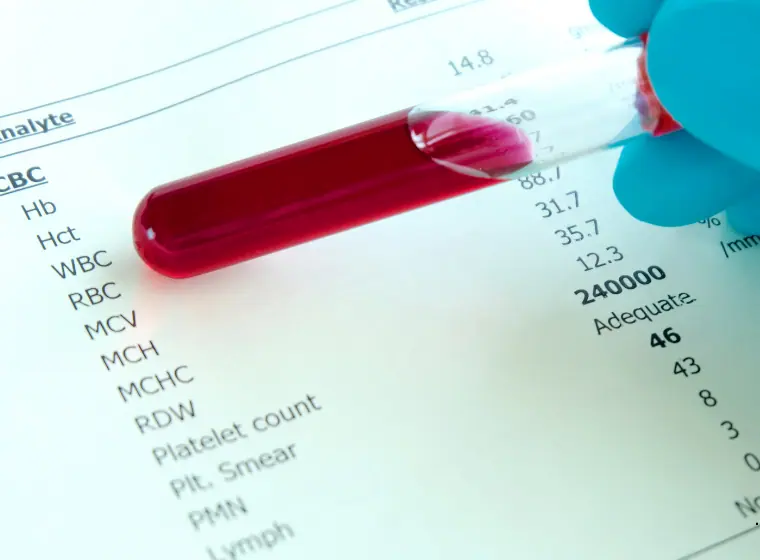
How to Read Blood Test Results: CBC and Key Markers
Understanding your blood test results can help you make sense of important changes in your health. From hemoglobin and white blood cells to cholesterol and vitamin levels, each marker provides valuable information about how your body functions. But what do high or low values actually mean, and when should you be concerned? Knowing how to read blood test results and interpret CBC markers can help you better understand your health and recognize changes that may need medical attention. Reference ranges, previous test results, and your medical history all play an important role in understanding these numbers.


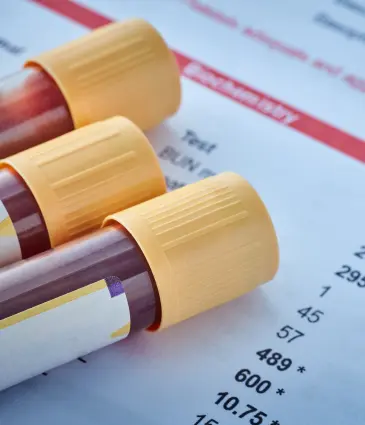
How to read blood test results becomes much easier once you know what the numbers represent and why doctors look at certain markers together. A complete blood count (CBC) measures red blood cells, white blood cells, and platelets, while other tests provide clues about blood sugar, cholesterol, liver health, and nutritional deficiencies. The key is to compare your values with the laboratory's reference ranges without assuming that every unusual number signals a health problem. Your symptoms, medical history, and previous test results often matter just as much as the numbers on the report.
What Should You Look at First on a Blood Test Report?
Opening a blood test report can feel confusing, especially when several numbers appear in bold or carry an H or L next to them. These letters usually indicate that a value falls above or below the laboratory's reference range.
Before focusing on an individual number, check three things: the name of the test, your measured value, and the reference interval beside it.
Reference ranges are not identical everywhere. Laboratories may use different testing methods, and some values vary with age, sex, or pregnancy.
A slightly elevated marker does not necessarily mean something is wrong. Likewise, a normal-looking report cannot rule out every health condition.
Doctors look for patterns rather than treating each number as a separate diagnosis. That distinction is particularly important when several blood markers change together.
Understanding Your CBC: What Do the Main Numbers Mean?
A complete blood count is one of the most common laboratory tests. Doctors use it to investigate fatigue, infections, unusual bleeding, and other health concerns.
Although a CBC contains several measurements, understanding a handful of markers makes the report much easier to follow.
Red Blood Cells and Hemoglobin
Red blood cells carry oxygen throughout your body. Hemoglobin, the protein inside these cells, makes that possible.
When hemoglobin drops below the expected range, doctors may investigate anemia. Iron deficiency is one possible explanation, but it is not the only one.
Vitamin B12 deficiency, blood loss, chronic inflammation, and certain medical conditions can also affect hemoglobin levels.
An elevated hemoglobin value may reflect dehydration or increased red blood cell production.
One important detail often gets overlooked: low hemoglobin does not automatically mean low iron. Taking iron supplements without identifying the cause may delay appropriate care.
Hematocrit: How Much of Your Blood Contains Red Cells?
Hematocrit, often shortened to HCT, measures the proportion of blood volume occupied by red blood cells.
Doctors usually interpret hematocrit alongside hemoglobin and RBC counts.
For example, dehydration can make hematocrit appear higher because the liquid portion of the blood decreases. Lower values may accompany anemia or blood loss.
A single hematocrit reading rarely explains a symptom on its own.
MCV, MCH, and MCHC
These abbreviations describe the size of red blood cells and the amount of hemoglobin they contain.
MCV measures average red blood cell size. A low MCV can point toward iron deficiency or thalassemia, while a high MCV may accompany vitamin B12 or folate deficiency.
MCH measures the average amount of hemoglobin in each red blood cell. MCHC describes its average concentration.
Doctors use these measurements to understand different patterns of anemia and decide whether further testing makes sense.
White Blood Cells: Does a High WBC Mean Infection?
White blood cells help your immune system respond to infections and other threats.
An elevated WBC count often appears during infections, but inflammation, physical stress, and certain medications can also raise it.
A low WBC count may occur during some viral illnesses or as a medication effect. Other causes require closer investigation.
A CBC with differential provides additional details about neutrophils, lymphocytes, and other white blood cell types.
For example, neutrophils often increase during bacterial infections. However, doctors cannot identify a specific infection from the neutrophil count alone.
Platelets: Why Does the PLT Count Matter?
Platelets help your blood clot after an injury.
A low platelet count may increase bleeding risk, particularly when the count falls substantially. Higher counts sometimes appear with inflammation or iron deficiency.
Temporary changes are possible, so doctors consider previous measurements and any symptoms before deciding what to investigate.
Unexplained bruising, frequent bleeding, or unusually heavy bleeding deserves medical attention regardless of whether a recent CBC looked normal.
Which Blood Markers Matter Beyond the CBC?
A CBC tells you about blood cells, but it does not measure blood sugar, cholesterol, vitamin levels, or kidney function.
Doctors choose additional tests according to symptoms, medical history, and individual risk factors.
Blood Sugar and HbA1c
Blood glucose measures sugar levels at the time of testing. Your recent meals, physical activity, medications, and fasting status can influence the reading.
HbA1c offers a different perspective. It reflects average blood sugar levels over roughly two to three months.
Doctors use these measurements when evaluating diabetes and monitoring glucose management.
However, certain conditions that affect red blood cells can make HbA1c less reliable. This is one reason healthcare professionals sometimes compare it with other glucose measurements.
Cholesterol: Is LDL the Only Number That Matters?
A lipid panel usually includes total cholesterol, LDL cholesterol, HDL cholesterol, and triglycerides.
LDL contributes to plaque buildup in arteries, while HDL participates in transporting cholesterol through the bloodstream.
Still, cardiovascular risk involves more than a single cholesterol measurement.
Blood pressure, smoking, diabetes, age, and family history all influence how doctors interpret lipid results.
Someone with an LDL level that appears only mildly elevated may need a different approach from another person with the same value but a different medical history.
Liver and Kidney Function
ALT and AST are enzymes that help doctors investigate possible liver injury. Their levels may rise for several reasons, including medication effects and metabolic conditions.
Creatinine and estimated glomerular filtration rate (eGFR) provide information about kidney function.
Creatinine levels depend partly on muscle mass, while eGFR estimates how effectively the kidneys filter blood.
Doctors often compare these values with previous results rather than relying on one measurement.
Ferritin, Vitamin B12, and Vitamin D
Ferritin helps doctors estimate iron stores. Someone may have low ferritin even before their hemoglobin drops enough to indicate anemia.
Vitamin B12 plays a role in nerve function and red blood cell production. Vitamin D supports bone health and normal muscle function.
These markers can be useful when symptoms or risk factors suggest a deficiency.
For people who need a broader evaluation, an advanced blood testing panel in Turkey may include selected nutritional, hormonal, and metabolic measurements.
The appropriate tests depend on the individual's medical needs rather than the number of markers available.
What Happens If Your Blood Test Shows an Abnormal Value?
An abnormal blood test can raise questions, particularly when you feel perfectly healthy.
The first thing to understand is that laboratory reference ranges do not create a strict boundary between health and illness.
A value slightly outside the expected interval may reflect normal variation. A more substantial change, especially alongside symptoms, may need prompt investigation.
Doctors generally consider how far the value differs from the reference range, whether other markers show related changes, and whether previous reports reveal a similar pattern.
Take hemoglobin as an example. A small decrease may lead a doctor to review iron stores, dietary habits, and recent health changes. A much lower value accompanied by breathlessness or dizziness requires more urgent attention.
Sometimes repeating the test provides useful information. In other situations, a doctor may recommend targeted investigations.
Patients exploring additional diagnostic tests in Turkey can discuss suitable options with their healthcare team when existing findings suggest a need for further evaluation.
The goal is not to investigate every minor variation. It is to understand which findings matter for the individual patient.
Can You Have Normal Blood Tests and Still Feel Unwell?
Yes. Routine blood tests do not detect every medical condition.
A person may experience persistent fatigue, headaches, digestive symptoms, or other health concerns even when their CBC falls within the expected ranges.
Sometimes the explanation involves a condition that routine blood tests do not assess. In other cases, symptoms may relate to sleep, medication effects, mental health, or lifestyle factors.
Doctors use blood tests as one part of a broader assessment.
If symptoms continue, a medical consultation can help identify whether further examination or targeted testing is appropriate.
Normal laboratory values should offer useful reassurance, but they should not replace attention to persistent or worsening symptoms.
Why Comparing Previous Blood Tests Can Be Helpful
A single blood test captures one moment. Comparing reports from different dates may reveal changes that are harder to recognize otherwise.
For instance, hemoglobin may remain within the reference range while gradually decreasing across several tests.
That pattern may deserve attention even though the latest number does not carry an abnormal flag.
On the other hand, a small change in cholesterol or white blood cells does not always indicate a meaningful health difference.
Try to compare reports that use the same units and similar laboratory methods. Recent illness, medications, supplements, and changes in hydration can also influence measurements.
Keeping previous reports available gives your doctor a clearer picture of your health history.
When Does a Full Body Check-Up Make Sense?
Blood testing often forms part of a broader preventive health assessment, particularly when someone wants to review cardiovascular, metabolic, or nutritional health.
However, more tests do not automatically mean better healthcare.
A useful check-up considers age, family history, existing conditions, symptoms, and personal risk factors before selecting investigations.
People researching full body health check-up packages in Turkey can explore different screening options and discuss which examinations fit their health profile.
For some individuals, a focused selection of tests provides the most useful information. Others may need additional investigations because of their medical history or current symptoms.
Understanding why a doctor recommends each test helps make the screening process more meaningful.
Common Mistakes to Avoid When Reading Blood Test Results
One of the most common mistakes is searching for a single abnormal value online and assuming the first explanation applies.
Many blood markers change for several reasons. Without considering other measurements and symptoms, it is easy to misunderstand what a number means.
Another mistake involves comparing results with reference ranges from unrelated websites. Laboratories may use different units or methods, making direct comparisons misleading.
People also sometimes start supplements after noticing low hemoglobin or feeling tired. Yet fatigue has many possible causes, and supplements are not always necessary.
Finally, do not ignore significant symptoms simply because a routine blood test appears normal.
Blood test reports are useful tools for understanding health, but they work best when a qualified healthcare professional interprets them in context.
Frequently Asked Questions About Blood Test Results
1. What Is the Most Important Marker in a CBC?
There is no single most important CBC marker. Hemoglobin helps assess oxygen-carrying capacity, white blood cells provide information about immune activity, and platelets relate to blood clotting. Doctors consider these values together because each answers a different question.
2. Can a CBC Detect Vitamin Deficiencies?
A CBC may reveal patterns associated with certain deficiencies, such as changes in hemoglobin or red blood cell size. However, it cannot directly measure vitamin B12, folate, or iron stores. Doctors may request specific tests when the CBC or symptoms suggest a deficiency.
3. Does a High White Blood Cell Count Always Mean Infection?
No. Infections commonly raise white blood cell counts, but inflammation, stress, medication use, and other conditions can have similar effects. The degree of elevation, white blood cell differential, and accompanying symptoms help doctors interpret the finding.
4. Do You Need to Fast Before a CBC Blood Test?
A CBC alone generally does not require fasting. However, if your doctor requests additional tests, such as fasting glucose, you may need to avoid food for a specified period. Follow the preparation instructions from your healthcare provider or laboratory.
5. How Often Should You Have Blood Tests?
There is no universal testing schedule that suits everyone. People with certain medical conditions or medications may need regular monitoring, while healthy individuals may require fewer tests. Age, symptoms, family history, and personal risk factors help determine an appropriate schedule.
- Addiction ( 35 )
- Bariatric ( 7 )
- Cardiology ( 15 )
- Check-up ( 85 )
- Ear Nose & Throat ( 1 )
- Eye Care ( 4 )
- General Surgery ( 6 )
- Gynecology ( 7 )
- Hair Transplant ( 7 )
- Hematology ( 2 )
- IVF ( 22 )
- Longevity ( 27 )
- Neurosurgery ( 8 )
- Oncology ( 15 )
- Orthopedics ( 12 )
- Physiotherapy ( 1 )
- Plastic & Beauty ( 10 )
- Transplantation ( 4 )
- Urology ( 10 )