Facelift in Turkey: Rejuvenation at a Fraction of US Prices
A facelift in Turkey costs a fraction of what the same surgery costs in the United States, where the procedure runs into tens of thousands of dollars, and the gap comes from lower operating costs and exchange rates rather than a lower standard of care. Rhytidectomy takes three to five hours, tightens the deeper facial tissues as well as the skin, and typically holds its result for eight to twelve years. Most patients stay for about 7 to 10 days so that the surgeon can check the first stage of healing before they fly, and packages usually cover transfers, hotel and translation. Confirm the surgeon’s credentials and ask which type of lift is being proposed, because those matter far more than the headline price. As time passes, the skin on our face starts to lose its firmness and elasticity. The jawline loses definition, cheeks droop, and wrinkles deepen. Even though growing older is normal, many people wish to seem younger again. A facelift, a surgical operation intended to tighten and elevate the skin for smoother, younger-looking facial features, can help with that. In recent years, Turkey has become one of the world’s top destinations for people seeking facelift surgery. The combination of high-quality care, experienced surgeons, and affordable facelift cost makes it an attractive alternative to the United States and other Western countries.

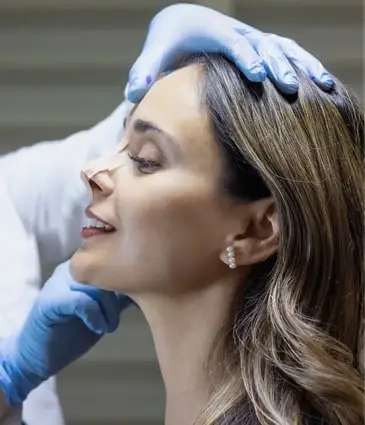
What a Facelift Does
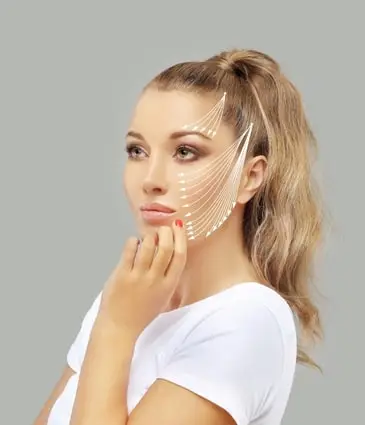
Rhytidectomy, the medical term for a facelift, is a procedure used to lessen the obvious indications of aging on the face and neck. By relocating fat where it is needed and tightening underlying tissues, the procedure addresses drooping cheeks, deep wrinkles, and sagging skin. This gives you a more youthful, firmer appearance that also looks natural.
There are several types of facelifts depending on individual needs:
- Mini facelift: Perfect for highlighting the jawline and lower face in the early stages of aging.
- SMAS facelift: Tightens deeper facial tissues for more noticeable results.
- Deep plane facelift: Repositions muscles and fat layers for long-lasting, natural rejuvenation.
Many patients also combine a facelift with eyelid surgery, neck lift, or fat grafting for a complete facial refresh.
Why Turkey Has Become a Global Aesthetic Hub
Turkey has become a popular place to get cosmetic surgery, especially in places like Antalya, Ankara, and Istanbul. Modern hospitals, highly qualified surgeons with worldwide training, and reasonably priced facelifts are all features of the nation. Clinics use cutting-edge technology while adhering to European healthcare norms. Patients benefit from high-quality care, personal attention, and all-inclusive packages that typically cover airport transfers, hotel stays, and translation services.
How the Facelift Procedure Works
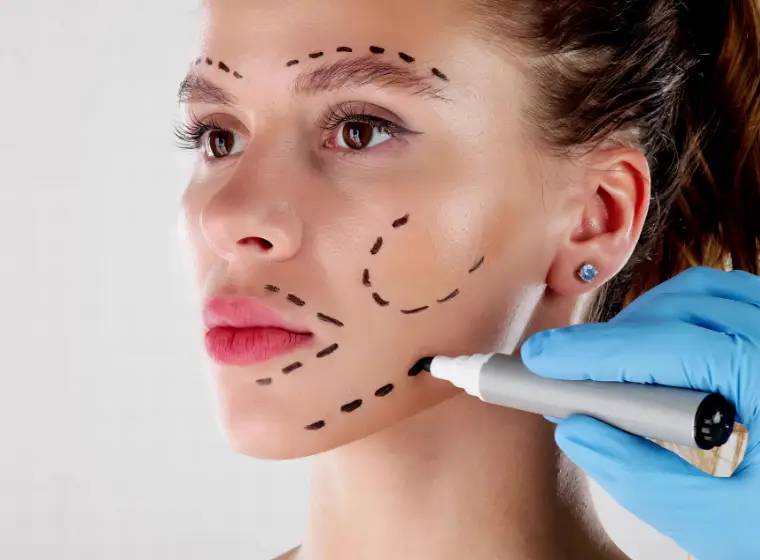
The facelift process starts with a consultation in which the surgeon assesses facial structure and skin elasticity while discussing the patient’s expectations. Incisions are made around the hairline and ears to elevate and tighten the skin and muscles throughout the three to five-hour procedure. Most patients resume their regular activities within two to three weeks; however, some may endure moderate edema and tightness for a few weeks. When properly cared for, the result is a more youthful-looking, firmer, and smoother face contour that lasts for eight to twelve years.
Facelift Cost: Turkey vs. the US
Turkey is a popular destination for facelift surgery since it is far less expensive than the US, where the procedure can cost tens of thousands of dollars. Thanks to reduced operating costs, advantageous currency exchange rates, and competitive pricing across clinics, high-quality care can be found in Turkey for a fraction of the cost. Even with travel and accommodation expenses, the total cost remains much lower than in the US, making Turkey a popular option for international patients seeking affordable cosmetic procedures.
Safety and Quality of Facelift Surgery in Turkey
Many accredited clinics in Turkey uphold high medical standards, with experienced surgeons performing numerous procedures each year. Facilities feature advanced technologies and prioritize patient safety, offering comprehensive support from pre-operative tests to post-surgery follow-ups. Recovery centers are comfortable, often resembling boutique hotels, providing a serene environment for healing.
Recovering and Enjoying Your Stay
Most patients stay in Turkey for about 7–10 days after their facelift to complete the initial recovery phase. During this time, they can relax and, once cleared by their doctor, enjoy gentle sightseeing. The recovery process is straightforward, and clinics offer tailored aftercare guidance to ensure optimal healing and outcomes.
How Long Do Results Last?
A facelift is not just about short-term beauty; it offers long-lasting rejuvenation. Results typically last 8–12 years, depending on skin type, genetics, and lifestyle habits. Maintaining a healthy diet, staying hydrated, avoiding smoking, and using sun protection can help preserve the youthful effects for longer. Some patients also return later for non-surgical maintenance treatments like laser skin tightening, PRP therapy, or dermal fillers.
Final Thoughts
Choosing to have a facelift is a personal decision, one rooted in the desire to feel confident and youthful again. For many, Turkey offers the perfect blend of expertise, care, and affordability. It’s simple to understand why so many people choose Turkey for their facial rejuvenation journey, given the country’s top-notch surgeons, state-of-the-art clinics, and facelift prices that are significantly lower than those in the US. Beauty and value come together here, and patients leave feeling refreshed on the inside as well as looking younger.
Frequently Asked Questions About Facelift Surgery in Turkey
1. Which type of facelift will I need?
That depends on how much sagging there is and where. A mini facelift suits early changes along the jawline and lower face, a SMAS facelift works on the deeper tissue layer, and a deep plane facelift repositions muscle and fat for a longer-lasting result. The surgeon decides after assessing facial structure and skin elasticity at the consultation, so be wary of a quote given before anyone has examined you.
2. How long should I stay in Turkey after a facelift?
Plan on roughly 7 to 10 days. That covers the first stage of recovery and lets the surgeon check the incisions and swelling before you travel. Gentle sightseeing is usually fine once the doctor clears it, but a packed itinerary in the first week is not a good idea.
3. When can I go back to normal activities and work?
Most people are back to their regular routine within two to three weeks. Moderate swelling and a tight feeling can linger a while longer, which is normal rather than a sign of a problem. Strenuous exercise and heavy lifting should wait until the surgeon says otherwise.
4. Why is a facelift so much cheaper in Turkey than in the US?
Lower staff and facility costs, favourable exchange rates and strong competition between clinics account for most of the difference. It does not follow that the surgery is lower quality, but it does mean you should look at what sits behind the price: the surgeon’s qualifications, whether the operation happens in an accredited facility, and what the package actually includes.
5. How long do the results last, and what affects that?
A facelift generally holds for eight to twelve years. Skin type, genetics and habits all play a part, and smoking and sun exposure shorten the result noticeably. Some patients keep things looking fresher in between with non-surgical treatments such as laser skin tightening, PRP or fillers.
- Addiction ( 33 )
- Bariatric ( 7 )
- Cardiology ( 13 )
- Check-up ( 69 )
- Ear Nose & Throat ( 1 )
- Eye Care ( 3 )
- General Surgery ( 6 )
- Gynecology ( 7 )
- Hair Transplant ( 5 )
- Hematology ( 2 )
- IVF ( 21 )
- Longevity ( 22 )
- Neurosurgery ( 7 )
- Oncology ( 15 )
- Orthopedics ( 11 )
- Physiotherapy ( 1 )
- Plastic & Beauty ( 10 )
- Transplantation ( 4 )
- Urology ( 9 )