Early Detection of Prostate Cancer: Comprehensive Check-Up Options in Turkey
Prostate cancer is one of the most common cancers in men, yet it is also one of the most treatable when found early. Many men ignore warning signs or delay screening because symptoms can feel mild or confusing. This is why early detection is so important. In recent years, Turkey has become a leading destination for prostate cancer screening, offering advanced technology, experienced specialists, and easily accessible check-up packages designed for international patients. Understanding the signs of prostate cancer and knowing when to get screened can make a life-changing difference.


Understanding the Early Signs of Prostate Cancer
Prostate cancer may not exhibit noticeable signs in its early stages. Some modifications are noteworthy, though. Frequent urination, particularly at night, trouble initiating or halting the pee stream, weak urine flow, or the feeling that the bladder isn't entirely emptied are the most common signs of prostate cancer. Some men may see blood in their urine or semen, experience discomfort in the pelvic area, or notice unexplained fatigue. These symptoms do not always mean cancer; they can appear in benign conditions like prostate enlargement or infections, but they should not be ignored. Men over the age of 45, especially those with a family history of prostate cancer, should consider routine screening even if they feel perfectly healthy.
Why Early Detection Matters
Early detection gives men the best chance of successful treatment. When prostate cancer is found early, it is usually still confined to the prostate gland and responds well to less invasive treatment options. Catching cancer early can help men avoid more aggressive treatments later, reduce complications, and protect long-term quality of life. For many men, screening also brings peace of mind. Knowing that their prostate health is regularly monitored helps them feel in control and reduces the anxiety of “what if” scenarios. With modern technology, prostate screening has become fast, accurate, and comfortable.
Key Screening Tests for Prostate Cancer
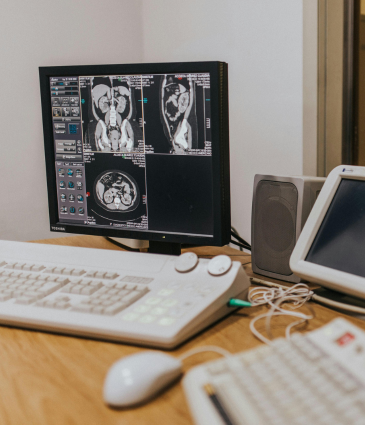
Turkey offers several reliable screening methods designed to detect early signs before symptoms become serious. The PSA blood test is the most commonly used tool. It measures prostate-specific antigen levels in the blood. High or rising PSA levels may signal inflammation, enlargement, or cancer. A digital rectal exam (DRE) may also be performed to check for lumps or irregularities in the prostate. For more advanced evaluation, many hospitals in Turkey use multiparametric prostate MRI (mpMRI). This imaging method gives a detailed, high-resolution view of the prostate and can detect suspicious lesions with exceptional accuracy. If anything unusual is seen on MRI, it can be advised to have a prostate biopsy to confirm the diagnosis.
Why Turkey Has Become a Leading Destination for Prostate Screening
Turkey is known for combining medical expertise with accessible pricing and warm hospitality. Many hospitals offer cutting-edge technology, including 3 Tesla MRI machines and MRI-fusion biopsy systems, which provide precise imaging and increase diagnostic accuracy. Urologists in Turkey often train abroad and bring international experience to their practices. Another major advantage is speed. Patients in many countries wait weeks or months for appointments or imaging. In Turkey, screenings are scheduled quickly, and most results are delivered within the same day or the next. This efficiency is a major relief for men who want answers without long delays.
What a Comprehensive Prostate Check-Up Includes
A typical prostate check-up in Turkey starts with a detailed consultation, where the doctor reviews symptoms and medical history. Blood tests, such as PSA and free PSA, are used to assess risk. Urine analysis may also be included. If needed, an mpMRI scan is performed to get a complete and accurate picture of the prostate. Many check-up packages include follow-up discussions in which results are clearly explained, and a personalized care plan is provided. This helps patients understand the next steps, whether further monitoring or treatment is required.
Costs of Prostate Screening in Turkey
One of the reasons international patients choose Turkey is the affordability of high-quality healthcare. While prices vary depending on what tests are included, prostate check-up packages in Turkey are generally far more accessible than in many Western countries. Patients receive excellent value, advanced imaging, and specialist consultations without financial strain.
Who Should Consider Screening?
Men aged 45 and above, especially those with risk factors, should consider regular prostate check-ups. Anyone experiencing early symptoms or worrying signs of prostate cancer should not delay evaluation. Screening is also recommended for men with a family history of prostate, breast, or ovarian cancer, since genetic factors can increase risk.
Conclusion
The first steps in protecting prostate health are awareness and prompt action. Choosing prompt screening and being aware of the early warning symptoms of prostate cancer can save lives. Early detection is now easier than ever because of Turkey's dependable, cutting-edge, and patient-friendly check-up choices. Making a small change now could protect your health later on.
- Addiction ( 30 )
- Bariatric ( 2 )
- Cardiology ( 11 )
- Check-up ( 61 )
- Ear Nose & Throat ( 1 )
- Eye Care ( 2 )
- General Surgery ( 3 )
- Gynecology ( 6 )
- Hematology ( 2 )
- IVF ( 19 )
- Neurosurgery ( 6 )
- Oncology ( 15 )
- Orthopedics ( 8 )
- Physiotherapy ( 1 )
- Plastic & Beauty ( 7 )
- Stem Cells & Longevity ( 19 )
- Transplantation ( 4 )
- Urology ( 9 )