
7 Reasons Americans Are Choosing Turkey for Medical Travel
7 Reasons Americans Are Choosing Turkey for Medical Travel include differences in treatment costs, access to international patient services, hospital infrastructure, specialist availability, treatment scheduling, coordinated care, and the opportunity to combine healthcare with international travel. Turkey regulates international health tourism and requires healthcare providers and intermediary organizations operating in this field to meet authorization requirements established by the Ministry of Health. U.S. patients considering treatment abroad should still evaluate the individual hospital, physician credentials, procedure-specific risks, follow-up arrangements, and potential costs if complications occur after returning home. Over the past few years, medical tourism in Turkey for US citizens has grown from a niche option into a mainstream choice. Many Americans are no longer willing to wait months for appointments or face overwhelming medical bills at home. Instead, they are looking abroad for safe, modern, and patient-focused care. Turkey has quietly become one of the most trusted destinations for this shift. Below are seven clear reasons why medical tourism in Turkey for US citizens continues to rise.


International-Standard Hospitals Americans Can Trust
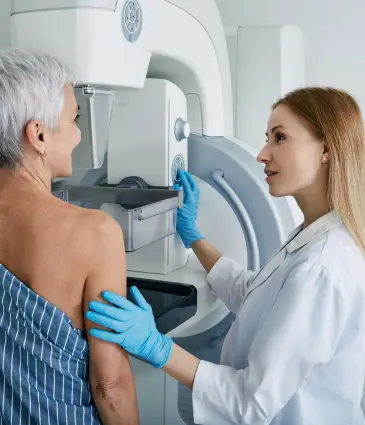
One of the main reasons medical tourism package in Turkey feels safe for US citizens is the quality of hospitals. Large, state-of-the-art medical facilities that adhere to global healthcare standards may be found in Turkey. Numerous hospitals have modern operating rooms, imaging systems, and recovery units, and many of them are accredited. The setting of clean facilities, private rooms, and organized care systems often feels familiar to American patients. When US citizens choose medical tourism in Turkey, this familiarity lowers fear and boosts confidence.
Doctors With Global Training and Experience
Another key factor driving medical tourism in Turkey for US citizens is the expertise of Turkish doctors. Many physicians are trained or have worked in the United States or Europe. They are comfortable following international treatment guidelines and communicating clearly with foreign patients. English-speaking medical teams are common, which helps American patients feel understood and involved in their care. This level of communication is essential for successful medical tourism in Turkey for US citizens.
Advanced Technology Without Long Waiting Times
Long waiting lists are a common feature of advanced medical technologies in the United States. On the other hand, US residents who travel to Turkey for medical purposes have quicker access to the same or comparable technology. Patients can get therapy fast thanks to minimally invasive surgical methods and high-resolution MRI scanners. Because they may finish consultations, tests, and treatments in a matter of days as opposed to months, many Americans opt for medical tourism in Turkey.
One Trip, Multiple Medical Needs Covered
A major advantage of medical tourism in Turkey for US citizens is efficiency. Patients can often combine several tests or treatments into one trip. Diagnostic imaging, specialist consultations, and treatments are all coordinated by a single system. This streamlined approach is ideal for Americans looking for ease and clarity. Medical tourism in Turkey removes the need for several appointments spaced out over long periods of time for US citizens.
Personalized Care and Patient Support
Medical tourism in Turkey for US nationals prioritizes individualized attention, in contrast to hurried healthcare encounters. International patient departments assist with scheduling appointments, providing instructions, and providing assistance to patients during their visit. For US nationals, medical tourism in Turkey feels less like a transaction and more like guided care because of this individualized attention, which many Americans find comforting.
Costs of Medical Tourism in Turkey
Cost is a major driver of medical tourism in Turkey for US citizens, but it is not just about lower prices. Turkey's healthcare system benefits from efficient hospital systems, government-sponsored health infrastructure, and reduced operating expenses. The type of therapy, hospital level, duration of stay, and whether diagnostics or follow-up care are included are some of the variables that affect the cost of medical tourism in Turkey. A lot of packages are made to be transparent so that patients may know what is covered before they leave. Compared to local healthcare, medical tourism in Turkey frequently feels more financially predictable for US people, with fewer unforeseen costs.
A Safe, Accessible, and Welcoming Destination
Turkey itself has a significant function outside of healthcare. With direct flights, contemporary airports, and a robust hospitality culture, the nation is well-connected. When visiting Turkey for medical tourism, Americans frequently find the country to be hospitable and simple to get around. Comfortable lodgings, safety, and cultural familiarity facilitate a more seamless recuperation. Many patients return to Turkey or tell others about medical tourism in Turkey for US citizens because of this entire experience.
Final Thoughts: Why Medical Tourism in Turkey for US Citizens Keeps Growing
Trust is the outcome of providing high-quality care, skilled physicians, cutting-edge technology, individualized attention, and affordable prices. Because of this trust, the number of US people traveling to Turkey for medical treatment keeps increasing every year. Istanbul Med Assist provides a well-rounded solution, one that blends medical expertise with a patient-first approach for Americans looking for dependable treatment without delays or confusion.
Frequently Asked Questions About Medical Tourism in Turkey for US Citizens
1. Why Do Americans Travel to Turkey for Medical Treatment?
Americans may consider medical treatment in Turkey because of differences in treatment costs, access to specialists, hospital services, treatment availability, and international patient support. Turkey also has a formal regulatory framework for international health tourism, including authorization requirements for healthcare facilities and intermediary organizations serving international patients.
2. Is Medical Tourism in Turkey Safe for U.S. Citizens?
Safety depends on the specific procedure, healthcare facility, physician, patient’s medical condition, and continuity of care rather than the destination alone. The CDC recommends that medical travelers choose facilities accredited by recognized organizations and carefully review provider qualifications, infection-control standards, follow-up arrangements, and procedure-specific risks before traveling.
3. How Can U.S. Patients Check a Healthcare Provider in Turkey?
Patients can check whether a healthcare provider has authorization for international health tourism through resources provided by the Republic of Türkiye Ministry of Health. They can also independently review hospital accreditation, physician credentials, procedure experience, and the exact services included in their treatment plan.
4. What Should Americans Arrange Before Returning Home After Treatment?
Patients should request copies of operative reports, test results, imaging, medication information, discharge instructions, and follow-up recommendations before leaving Turkey. The CDC advises medical travelers to arrange continuity of care before traveling because complications may require additional treatment after returning to the United States, and such care may involve additional out-of-pocket costs.
5. What Are the Risks of Medical Tourism?
Potential risks vary by treatment but can include infection, complications related to surgery or anesthesia, blood clots associated with surgery and travel, communication difficulties, and challenges obtaining follow-up care after returning home. Patients should understand these risks and have a plan for managing potential complications before undergoing treatment abroad.
- Addiction ( 33 )
- Bariatric ( 7 )
- Cardiology ( 13 )
- Check-up ( 70 )
- Ear Nose & Throat ( 1 )
- Eye Care ( 4 )
- General Surgery ( 6 )
- Gynecology ( 7 )
- Hair Transplant ( 6 )
- Hematology ( 2 )
- IVF ( 21 )
- Longevity ( 23 )
- Neurosurgery ( 7 )
- Oncology ( 15 )
- Orthopedics ( 11 )
- Physiotherapy ( 1 )
- Plastic & Beauty ( 10 )
- Transplantation ( 4 )
- Urology ( 9 )