What Is a Hair Transplant Without Shaving?
A hair transplant without shaving is a DHI procedure in which only a small strip of the donor area at the back of the head is trimmed, so the rest of your hair stays the length it was and the surgery is hard for anyone to spot. Follicles are taken one by one with a micro punch and placed straight into the thinning zone with a Choi implanter pen, which means no channels are opened in advance and the grafts spend very little time outside the body. It suits mild to moderate thinning, receding hairlines and women who do not want a shaved head, but it is slower than a full-shave transplant and costs more because of the extra work involved. Before booking, ask how many grafts the surgeon believes can realistically be placed between your existing hairs and how much experience the team has with the no-shave technique specifically. For many people considering a hair transplant, one of the biggest worries is having to shave their head. The idea of walking around with visible marks or a drastically shorter haircut can make even confident individuals hesitate. Thankfully, modern techniques have made it possible to restore hair naturally and discreetly through a hair transplant without shaving. This advanced method uses the Direct Hair Implantation (DHI) technique to allow patients to regain density and confidence without changing their hairstyle. It is the perfect solution for people who want results but prefer privacy and a natural transition.
Understanding the DHI Technique
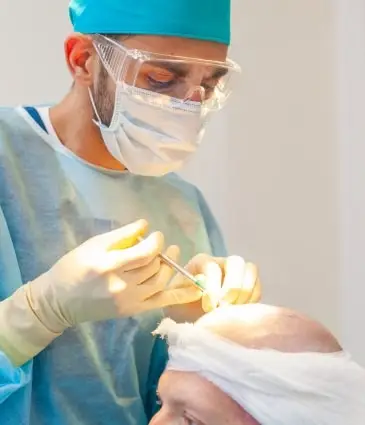
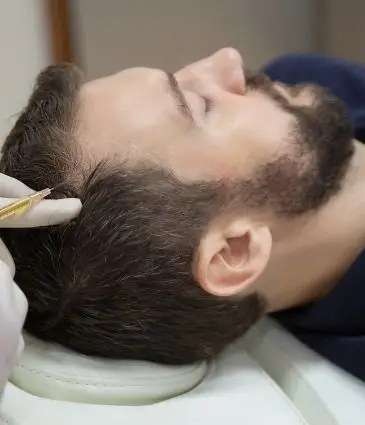
DHI stands for Direct Hair Implantation a refined method of transplanting hair using specialized tools called Choi Implanter pens. In traditional transplants, the entire scalp or a large area of the head is shaved to make the process easier. But in a hair transplant without shaving, only a very small section at the back of the head (the donor area) is trimmed to extract hair follicles. The patient is able to maintain their hairstyle because the remaining hair is left undisturbed. Because of this, most people can continue with their regular routines without anyone noticing they had surgery.
How the DHI No-Shave Procedure Works
The hair transplant without shaving process is delicate and precise. Here’s how it typically happens:
Consultation and Planning
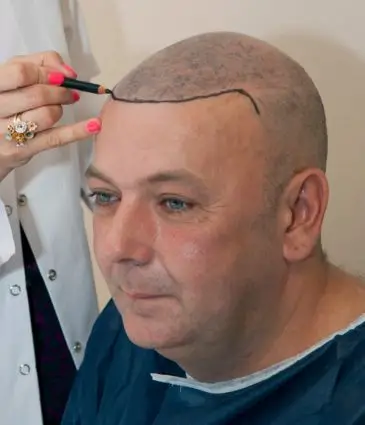
The doctor examines your scalp, discusses your expectations, and designs a natural hairline that suits your face.
Minimal Trimming
Only a tiny donor zone, usually hidden beneath your existing hair, is trimmed to harvest healthy follicles.
Follicle Extraction
Using a micro-sized extraction tool, hair follicles are gently removed one by one. Because the area is small, the process is meticulous and avoids visible marks.
Direct Implantation
Choi implanter pens are then used to directly implant the harvested follicles into areas that are becoming thinner. The use of this procedure eliminates the need for initial incisions and gives the surgeon precise control over the depth, angle, and direction of each graft.
Recovery and Natural Blending
After the procedure, your existing hair hides the donor and implanted areas. This makes recovery comfortable and virtually invisible to others.
Why People Choose DHI Without Shaving
The biggest reason people prefer a hair transplant without shaving is that it lets them maintain their appearance throughout the process. There’s no drastic haircut, no visible surgical marks, and no need to explain the change to colleagues or friends. It’s especially popular among:
- Women, often wish to restore thickness without altering their hairstyle.
- Executives or public figures, who want a confidential solution.
- Anyone who wants quick healing and natural-looking results.
Beyond appearance, DHI offers technical advantages too. Since follicles are implanted immediately after extraction, they spend less time outside the body. This can improve survival rates and lead to thicker, healthier results.
Benefits of a Hair Transplant Without Shaving
- Discreet and Natural: The procedure keeps your hairstyle intact and hides signs of surgery.
- Precise Placement: The DHI pen allows complete control over the direction and depth of each graft.
- Quick Recovery: No stitches or large wounds mean faster healing and minimal discomfort.
- Gradual Change: Since surrounding hair conceals the new grafts, the transformation looks slow and natural.
Many patients love that they can return to work within a few days, with no one noticing they’ve undergone a procedure.
Who Can Get a No-Shave Hair Transplant?
Those with mild to moderate hair thinning, as opposed to those who are completely bald, benefit most from a DHI hair transplant without shaving. It’s ideal for covering small areas, filling receding hairlines, or adding volume between existing hairs. It’s also suitable for patients who are patient and realistic about the process, as the surgery takes longer and requires more precision than a full-shave procedure.
Cost and Popularity in Turkey
DHI without shaving is a high-end service since it necessitates more effort, time, and skill from the surgeon. But one of the most well-liked locations for this treatment these days is Turkey. Comparing Turkish clinics to those in Western nations, the former provide top-notch outcomes at far lower costs. Costs vary depending on the number of grafts, the doctor’s expertise, and the clinic’s technology, but the overall value and quality of care are what make Turkey a global leader in hair restoration.
Things to Keep in Mind
While the no-shave DHI technique is impressive, it’s not suitable for everyone. People with large bald areas may need other options since there’s limited space to implant grafts between existing hair. The procedure also takes longer than standard methods and must be performed by a highly experienced DHI specialist to ensure excellent results. Choosing the right clinic is crucial skill and precision matter far more than speed or price when it comes to this technique.
Conclusion: Subtle, Smart, and Sophisticated
A hair transplant without shaving offers a smart way to restore your hair while keeping your look unchanged. There is no need to hide under a hat or start over with a shaved head when using the DHI method. You can confidently and subtly enhance your appearance with results that complement your current hairstyle. It’s the perfect balance between modern science and natural beauty helping you reclaim your confidence without anyone knowing how you did it.
Frequently Asked Questions About Hair Transplants Without Shaving
1. Is any part of the head shaved at all?
Yes, but only a narrow strip in the donor area at the back of the head, and it is chosen so the hair above it falls over and covers it. The recipient area is not touched with clippers. Once you comb your hair normally, the trimmed strip is usually invisible within a day.
2. How many grafts can be transplanted without shaving?
Fewer than in a full-shave session, because the surgeon has to work around hair that is still long and each graft takes more time to place. The technique is therefore aimed at mild to moderate thinning rather than extensive baldness. The realistic number for your case should come from an in-person or photo-based assessment, not from a price list.
3. Why does the no-shave method cost more?
The surgery takes longer, needs a more experienced team, and fewer patients can be treated in a day, so clinics price it above standard FUE or shaved DHI. Ask whether the quote covers the graft number discussed, medication, the first wash, and the hotel and transfers if you are travelling. A low headline price that excludes those items is not really cheaper.
4. When can I go back to work?
Most patients return within a few days, which is one of the main reasons they choose this method, since the surrounding hair hides both the donor and the implanted areas. You should still avoid sweating heavily, wearing tight hats and sleeping face down in the first week. Scabs usually clear within about ten days.
5. How long before the result is visible?
The transplanted hairs shed in the first few weeks, which is normal, and new growth starts at around three to four months. Real density appears between nine and twelve months, and the final result is judged at about a year. Because the change happens under existing hair, it tends to look gradual rather than sudden.
- Addiction ( 33 )
- Bariatric ( 7 )
- Cardiology ( 13 )
- Check-up ( 69 )
- Ear Nose & Throat ( 1 )
- Eye Care ( 4 )
- General Surgery ( 6 )
- Gynecology ( 7 )
- Hair Transplant ( 6 )
- Hematology ( 2 )
- IVF ( 21 )
- Longevity ( 22 )
- Neurosurgery ( 7 )
- Oncology ( 15 )
- Orthopedics ( 11 )
- Physiotherapy ( 1 )
- Plastic & Beauty ( 10 )
- Transplantation ( 4 )
- Urology ( 9 )