Well Woman Exam: Check-Up Tests Every Woman Needs
A well woman exam helps women monitor their overall health through preventive screenings tailored to their age, medical history, and personal risk factors. It may include blood tests, Pap smears, HPV testing, breast examinations, and hormonal assessments when necessary. Regular check-ups help identify potential health concerns early and guide women toward appropriate preventive care.



Well Woman Exam: Check-Up Tests Every Woman Needs covers the screenings women may need to monitor their health, from routine blood work and cervical cancer screening to breast exams and hormonal assessments. The most important tests aren’t necessarily the same for everyone. A woman in her twenties will have different health priorities from someone approaching menopause. Family history, existing conditions, and lifestyle also influence which examinations make sense. For those who prefer to arrange several assessments in one visit, full body health check-up packages in Turkey can combine general health screenings with women’s health consultations. The key is knowing which tests are worth discussing with a doctor and which ones may not be necessary.
What Is a Well Woman Exam and Why Does It Matter?
Feeling healthy doesn’t always mean there is nothing to check. High blood pressure, elevated cholesterol, and certain cervical cell changes can develop without causing noticeable symptoms. This is one reason preventive appointments remain valuable, even when there is no particular health complaint.
A well woman exam looks at a woman’s health beyond a single symptom or concern. It combines general preventive care with discussions of reproductive health, menstrual changes, breast health, and other issues that may arise at different stages of life.
The appointment usually covers three areas:
- General health: Blood pressure, cardiovascular risk factors, and metabolic health.
- Women’s health: Menstrual history, reproductive concerns, breast health, and menopause-related symptoms.
- Individual risk factors: Family medical history, previous test results, and conditions that may require closer attention.
Not every appointment involves blood tests or imaging. Sometimes, reviewing a patient’s history and discussing changes in her health gives a doctor the information needed to recommend the next step.
What Tests Are Usually Part of a Well Woman Exam?
There isn’t one standard list of tests that suits every woman. Doctors choose examinations based on age, symptoms, previous screening results, and personal risk factors.
Still, several types of screening frequently come up during women’s preventive healthcare appointments.
1. Blood Tests: What Can They Tell You?
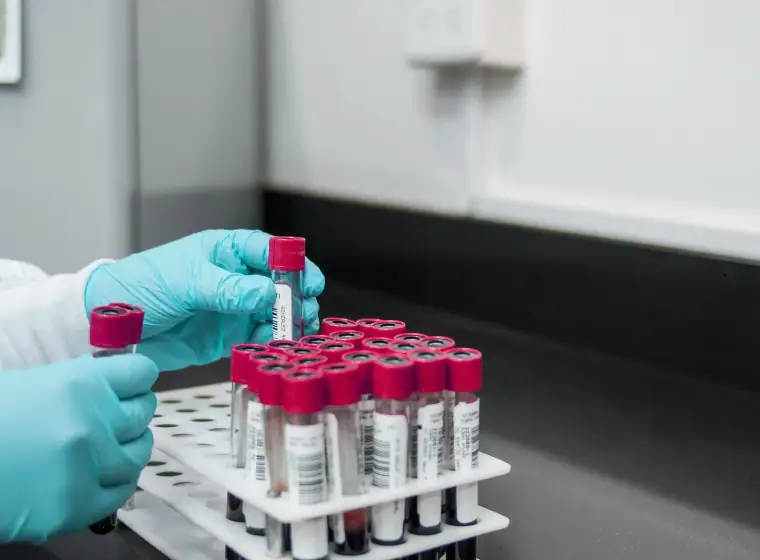
Blood tests can help investigate common concerns such as fatigue, anemia, high cholesterol, and blood sugar problems.
For example, a woman who experiences heavy periods and feels unusually tired may need a complete blood count (CBC). This test measures red and white blood cells, hemoglobin, and platelets. It can help identify anemia and suggest other health conditions.
Depending on the patient’s history, a doctor may request:
- Complete blood count (CBC)
- Iron and ferritin
- Vitamin B12
- Blood glucose or HbA1c
- Cholesterol and triglycerides
- Kidney and liver function tests
These tests answer different questions. Ferritin helps assess iron stores, while HbA1c reflects average blood sugar over the past few months.
Vitamin D and thyroid tests may also be useful in specific circumstances. However, a routine well woman exam doesn’t automatically require every available blood test.
2. Pap Smear and HPV Testing: Why Are Both Important?
Cervical cancer screening is one of the better-known parts of preventive women’s healthcare. Yet many women aren’t sure how a Pap smear differs from an HPV test.
A Pap smear looks for abnormal cells on the cervix. An HPV test checks for high-risk types of human papillomavirus that can contribute to cervical cancer.
The tests provide different information, and doctors may recommend one or both depending on the patient’s age, screening history, and applicable guidelines.
A few points are worth understanding:
- A positive HPV test does not mean a woman has cervical cancer.
- An abnormal Pap smear does not automatically indicate cancer.
- HPV vaccination does not replace recommended cervical screening.
- Previous abnormal results may change the recommended follow-up schedule.
Screening intervals also vary. Many women at average risk do not need a Pap smear every year.
3. Breast Examinations, Mammograms, and Ultrasound
Breast health is another common topic during a well woman appointment.
A doctor may ask whether the patient has noticed a lump, nipple discharge, skin changes, or persistent breast discomfort. Family history also matters, particularly when close relatives have experienced breast or ovarian cancer.
Mammography plays an important role in breast cancer screening because it can identify abnormalities before symptoms appear.
Breast ultrasound serves a different purpose. Doctors often use it to investigate a specific finding or gather additional information about breast tissue.
Breast MRI may be appropriate for certain women with a higher risk of breast cancer.
These examinations are not interchangeable, and most women do not need all three. The appropriate screening approach depends on individual circumstances.
4. Thyroid and Hormone Tests: Does Every Woman Need Them?
Hormones influence many aspects of women’s health, including menstrual cycles, fertility, and metabolism. However, testing every hormone during a routine check-up rarely provides useful information.
Consider a woman who has recently developed irregular periods, unexplained fatigue, or noticeable weight changes. Her doctor may investigate thyroid function, beginning with a thyroid-stimulating hormone (TSH) test.
Other hormonal assessments may help when a patient experiences:
- Persistent menstrual irregularities
- Difficulty becoming pregnant
- Symptoms suggesting a thyroid disorder
- Certain menopause-related concerns
The timing of some hormone tests also matters because hormone levels naturally fluctuate throughout the menstrual cycle.
Rather than requesting a broad hormone panel, discussing specific symptoms with a doctor usually provides a better starting point.
Which Health Screenings Matter Most at Different Ages?
Women’s health needs change over time. A screening that makes sense at 55 may have little value for a healthy 25-year-old.
Age helps guide preventive care, but it never tells the whole story. Personal and family medical history can change screening recommendations considerably.
Well Woman Exams in Your 20s and 30s
For women in their twenties and thirties, preventive appointments often focus on reproductive health, cervical screening, and general health habits.
Common topics include:
- Blood pressure
- Cervical cancer screening
- Menstrual health
- Sexual health and STI testing when appropriate
- Family medical history
- Pregnancy planning and contraception
Women considering pregnancy may also discuss medications, vaccinations, nutrition, and preconception health.
Routine mammography is generally not necessary for younger women at average risk, although symptoms or significant family history may call for earlier evaluation.
Well Woman Exams in Your 40s
The forties often bring new questions about health. Some women notice changes in their menstrual cycles, while others become more concerned about cholesterol, blood pressure, or family history.
A preventive appointment may address:
- Mammography screening
- Blood pressure and cholesterol
- Diabetes risk
- Menstrual changes and perimenopause
- Family history of cancer or heart disease
One common question is whether mammograms should begin at age 40.
The answer depends partly on the screening guidelines a healthcare system follows. Some recommend routine mammography from age 40, while others recommend a later starting age or different screening intervals.
Women can discuss these differences with their doctor and choose an appropriate screening plan.
Well Woman Exams After Age 50
After 50, preventive care often includes more discussion about menopause, cardiovascular health, bone strength, and cancer screening.
Depending on medical history, doctors may recommend:
- Breast cancer screening
- Colorectal cancer screening
- Blood pressure and metabolic assessments
- Bone density testing when appropriate
- Menopause-related consultations
Several major guidelines recommend colorectal cancer screening from age 45 for adults at average risk, although national recommendations vary.
Bone density screening generally begins at age 65 for women at average risk. Doctors may recommend earlier testing for postmenopausal women with additional fracture risk factors.
Do Women Really Need a Full Body Check-Up Every Year?
An annual preventive appointment can be useful, but that doesn’t mean every woman needs a complete set of blood tests, scans, and specialist examinations each year.
Different health screenings follow different schedules.
Blood pressure measurements, for instance, may take place more frequently than cervical cancer screening. Mammography intervals depend on age and individual risk, while bone density testing follows its own recommendations.
Some women prefer to arrange several appointments during a single healthcare visit, particularly when traveling for medical services. In this situation, a VIP check-up in Turkey may help coordinate consultations, laboratory assessments, and selected diagnostic tests within one program.
Convenience is valuable, but the number of tests should not determine the quality of a check-up.
An unnecessary scan may reveal an incidental finding that requires additional investigation, even when it has little clinical significance. False-positive screening results can also create anxiety and lead to further procedures.
A thoughtful screening plan considers what each examination is likely to reveal and whether that information will improve medical decisions.
When Should Women Think About Hereditary Cancer Testing?
Age alone does not determine cancer risk. Family history can sometimes point to inherited genetic changes that increase the likelihood of certain cancers.
For example, a woman whose mother and sister developed breast cancer at relatively young ages may have different screening needs from someone without a similar family history.
Genetic counseling may be worth discussing when a family history includes:
- Several relatives with breast or ovarian cancer
- Breast cancer diagnosed at a young age
- Male breast cancer
- A known inherited cancer-related genetic variant
- Certain patterns of cancer across multiple generations
In these circumstances, a doctor or genetic counselor may recommend further investigation. Women seeking a Hereditary Cancer Test in Turkey should first discuss whether genetic testing is appropriate for their personal and family history.
Genetic testing cannot tell someone with certainty whether they will develop cancer.
Instead, it may identify inherited variants that influence future screening plans or preventive healthcare decisions.
Understanding what a test can and cannot reveal is an important part of genetic counseling.
Can a Well Woman Exam Find Cancer Before Symptoms Appear?
Some cancer screening tests can identify abnormalities before a woman notices any symptoms. That is one of the main reasons preventive screening matters.
Pap smears and HPV tests help identify cervical changes associated with cancer risk. Mammography supports early breast cancer detection, while colorectal screening can detect certain abnormalities before symptoms develop.
However, no single examination can screen effectively for every cancer.
Ovarian cancer is a useful example. Although ultrasound and CA-125 blood tests may help investigate particular symptoms or clinical findings, routine screening with these tests has not shown a clear benefit for asymptomatic women at average risk.
This distinction matters because screening tests are most valuable when reliable evidence supports their use in a particular group.
Women should also remember that screening does not replace medical attention for new symptoms. Unusual bleeding, a new breast lump, or persistent unexplained discomfort deserves evaluation rather than waiting for the next routine appointment.
How Can Women Prepare for a Well Woman Exam?
A little preparation can make a preventive appointment more useful.
Doctors often need information about previous illnesses, medications, family history, and screening results. Having these details available helps avoid unnecessary repeat tests and supports more informed discussions.
Before the appointment, it may help to prepare:
- Previous laboratory reports and imaging results
- A list of medications and supplements
- Information about family medical history
- Menstrual cycle details
- Questions about symptoms or screening recommendations
Not all blood tests require fasting. Patients should check the preparation instructions for their specific examinations rather than assuming they need to avoid food before every appointment.
Cervical screening may also involve particular instructions related to menstruation or vaginal products.
The consultation is also a good opportunity to discuss concerns that do not always come up during routine medical visits. Sleep difficulties, sexual health, urinary symptoms, emotional well-being, and menopause-related changes all deserve attention when they affect daily life.
Frequently Asked Questions About Well Woman Exams
1. Is a Well Woman Exam the Same as an Annual Physical?
Not exactly. An annual physical focuses on general health, while a well woman exam also addresses reproductive health, cervical screening, breast health, and concerns specific to different stages of a woman’s life. Many parts of the two appointments overlap.
2. How Often Should Women Schedule a Well Woman Exam?
Many women benefit from a yearly preventive consultation, although they do not need every screening test annually. The appropriate schedule depends on age, medical history, previous results, and individual risk factors.
3. Does Every Woman Need a Pap Smear Every Year?
No. Many women at average risk follow cervical screening intervals longer than one year. The recommended schedule depends on age, previous results, medical history, and whether screening involves a Pap smear, HPV testing, or both.
4. Can a Well Woman Exam Identify Hormonal Problems?
A well woman exam can help doctors recognize symptoms that suggest a hormonal concern. Irregular periods, thyroid-related symptoms, or fertility difficulties may lead to targeted testing. Women without relevant symptoms or risk factors generally do not need extensive routine hormone panels.
5. What Is the Most Important Test in a Well Woman Exam?
No single test matters most for every woman. Cervical screening, mammography, blood pressure measurements, and metabolic assessments address different health risks. Age, family history, symptoms, and prior medical findings help determine which examinations should take priority.
- Addiction ( 35 )
- Bariatric ( 7 )
- Cardiology ( 15 )
- Check-up ( 78 )
- Ear Nose & Throat ( 1 )
- Eye Care ( 4 )
- General Surgery ( 6 )
- Gynecology ( 7 )
- Hair Transplant ( 6 )
- Hematology ( 2 )
- IVF ( 22 )
- Longevity ( 26 )
- Neurosurgery ( 7 )
- Oncology ( 15 )
- Orthopedics ( 12 )
- Physiotherapy ( 1 )
- Plastic & Beauty ( 10 )
- Transplantation ( 4 )
- Urology ( 10 )