Weight Loss Surgery in Turkey: What Can You Expect?
Weight loss surgery in Turkey follows a fairly predictable path: a full medical work-up and dietitian assessment before the operation, a laparoscopic procedure lasting one to three hours, a few days in hospital, and then a staged diet that moves from liquids to soft food and finally to solids over several weeks. Most international patients are asked to stay in the country for roughly a week to ten days in total so the surgical team can check the recovery before the flight home. Clinic packages usually cover the pre-operative tests, the surgery, hotel nights, transfers and a coordinator who handles the logistics. Before booking, ask which procedure is being recommended and why, who runs the follow-up once you are home, and what the price does not include. People who have battled obesity for years and seek a long-term solution are increasingly turning to weight loss surgery. Due to Turkey’s state-of-the-art hospitals, highly qualified surgeons, and reasonably priced medical packages, this operation has attracted attention from around the world. But before deciding to go for it, it’s essential to understand what happens before and after the operation.

Understanding Weight Loss Surgery
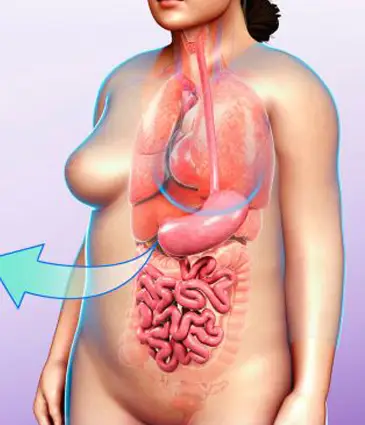
Bariatric surgery, also known as weight-loss surgery, is a medical procedure that alters the function of the stomach and digestive system to help patients lose weight. The most common types include the gastric sleeve, the gastric bypass, and the gastric balloon. These surgeries limit food intake or reduce calorie absorption, helping patients lose weight safely and effectively over time. The primary objectives are to improve overall health, reduce the risk of conditions like diabetes and heart disease, and increase quality of life, in addition to simply looking thinner.
Before Surgery: Getting Ready for the Change
Medical Evaluation and Consultation
Patients have a thorough medical evaluation before surgery. Doctors check overall health, review weight history, and run tests such as blood work and heart monitoring. This helps determine which type of surgery is most suitable. Patients also meet with a dietitian and psychologist. These sessions are important because they prepare both the body and the mind for the changes that will follow surgery.
Pre-Operative Diet and Lifestyle Adjustments
A special diet is often required before surgery to help shrink the liver and make the operation safer. This usually includes eating light meals, drinking more water, and avoiding alcohol or sugary foods. Smokers are advised to quit before surgery to reduce complications and improve healing.
Traveling to Turkey
For those coming from abroad, most Turkish clinics provide complete assistance. From airport transfers to hotel accommodations and translation services, patients are guided every step of the way. Many find this process smooth and stress-free thanks to professional coordinators who handle all logistics.
During the Surgery: What Happens
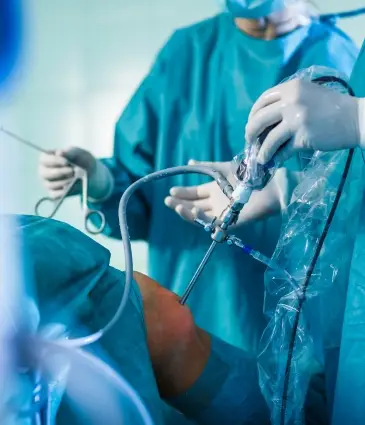
Weight-loss surgery in Turkey is usually performed using laparoscopic (keyhole) techniques, which result in smaller incisions, less pain, and a faster recovery. Depending on the type, the surgery may last 1 to 3 hours. Patients are then moved to recovery rooms where medical staff closely monitor their condition.
After Surgery: Recovery and Care
First Few Days
Patients remain in the hospital for a few days following the procedure. They receive IV fluids and medications to manage pain. Doctors also encourage gentle movement to improve blood flow and prevent clots. Once stable, patients begin sipping clear liquids and gradually progress to other fluids.
Recovery and Diet Progression
When discharged, most patients spend a few more days in Turkey under observation. During this time, they follow a strict post-op diet plan. The diet starts with liquids, then moves to pureed foods, soft meals, and finally solid foods after several weeks. This gradual process allows the stomach to heal correctly and adapt to its new size.
Emotional and Physical Changes
Emotional shifts following surgery are standard. Rapid changes in body weight and eating habits can affect mood. However, most patients notice positive transformations within weeks, improved mobility, better sleep, and growing confidence. To keep patients in touch with their medical team after they return home, Turkish clinics often offer online follow-up programs.
Long-Term Lifestyle and Results
Weight loss surgery marks the start of a lifelong change. To maintain results, patients must adopt habits such as eating small, balanced meals, staying hydrated, and being active, often beginning with light exercises like walking, with doctor approval. Patients usually see improvements in conditions like diabetes and high blood pressure, and shed substantial weight within the first year. Many also report enhanced self-esteem and overall happiness.
Why Choose Turkey for Weight Loss Surgery
Turkey has become a global destination for weight-loss surgery due to its advanced medical facilities and internationally trained surgeons. Modern technology is used in hospitals, and compared to Western nations, treatment expenses are far lower. Moreover, the hospitality, culture, and professional care make the experience comfortable and reassuring.
Conclusion
The goal of weight-loss surgery is to live a healthier, more self-assured life, not just to lose weight. Whether you’re preparing for your journey or already planning your recovery, knowing what to expect before and after the procedure can help you make informed decisions. In Turkey, expert medical teams, affordable care, and excellent aftercare services make this life-changing process smoother and safer for people from all around the world.
Frequently Asked Questions About Weight Loss Surgery in Turkey
1. How long do I need to stay in Turkey for weight loss surgery?
Plan for about a week to ten days. Two or three of those days are spent in hospital straight after the operation, and the rest are spent nearby so the surgical team can review your recovery and check that you are tolerating fluids. Book a flexible return ticket, because the surgeon may want to keep you a little longer.
2. Which procedure will the surgeon recommend?
That depends on your body mass index, your weight history, and any conditions such as diabetes or reflux. The gastric sleeve is the most commonly performed operation, the gastric bypass is often preferred when reflux or type 2 diabetes is a factor, and the gastric balloon is a temporary, non-surgical option. The decision is made after the tests, not from photographs or a phone call.
3. What does the pre-operative diet actually involve?
Most teams prescribe a low-calorie, low-carbohydrate diet for one to three weeks before surgery to shrink the liver, which makes the keyhole approach safer. It usually means light meals, plenty of water, and no alcohol or sugary drinks. Follow it properly, because a surgeon who finds an enlarged liver during the operation may have to change the plan.
4. Is the weight loss permanent?
Surgery reduces how much you can eat, but it does not maintain the result on its own. Patients who keep to small balanced meals, take their vitamin and mineral supplements, and stay active generally hold the weight off long term. Regaining weight is usually linked to grazing, sugary drinks, and stopping follow-up.
5. How is follow-up handled after I fly home?
Turkish clinics typically run online follow-up appointments during the first year and provide the diet plan in writing. You will still need blood tests locally to check iron, B12, vitamin D and other levels, so it is sensible to tell your own doctor about the operation before you travel. Ask the clinic in advance who to contact if a wound or a complication needs attention at home.
- Addiction ( 33 )
- Bariatric ( 6 )
- Cardiology ( 13 )
- Check-up ( 69 )
- Ear Nose & Throat ( 1 )
- Eye Care ( 3 )
- General Surgery ( 6 )
- Gynecology ( 7 )
- Hair Transplant ( 4 )
- Hematology ( 2 )
- IVF ( 21 )
- Longevity ( 22 )
- Neurosurgery ( 7 )
- Oncology ( 15 )
- Orthopedics ( 11 )
- Physiotherapy ( 1 )
- Plastic & Beauty ( 7 )
- Transplantation ( 4 )
- Urology ( 9 )