Travelling to Turkey for Bariatric Surgery
Travelling to Turkey for bariatric surgery usually starts with an online consultation, followed by a trip of roughly one to two weeks that covers pre-operative tests, the operation itself, and a short observation period before the flight home. The main draws are price and access: the same procedures cost far less than in the US or the UK, and there is no long waiting list. Most clinics work on an all-inclusive basis, so transfers, hotel nights, interpreting and aftercare instructions sit inside one quoted figure. Before you commit, check the surgeon’s case volume, ask which hospital the operation takes place in, and confirm how follow-up will work once you are back home.

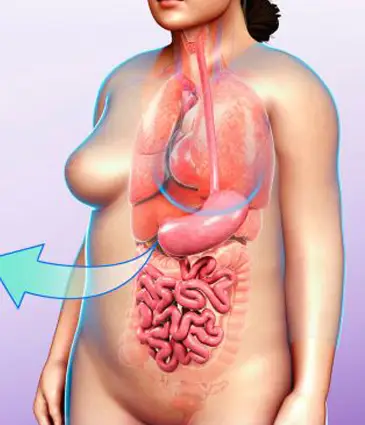
What Makes Patients Consider Travelling to Turkey for Bariatric Surgery
Losing weight might seem like a never-ending cycle of diets, exercise, and frustration for many people who struggle with obesity. When lifestyle changes aren’t enough, bariatric surgery becomes a life-changing option. In recent years, more people from around the world have begun travelling to Turkey for bariatric surgery, attracted by the country’s high medical standards, modern hospitals, and affordable prices.
Why Turkey is a Leading Destination for Bariatric Surgery
Turkey has quickly become one of the top choices for people seeking weight loss surgery abroad. The country is known for its combination of medical expertise and hospitality. Surgeons frequently have years of expertise and worldwide training, and many facilities have international accreditation. Turkey’s treatments are even more appealing because they are more reasonably priced than those in the US or the UK, yet the quality is still top-notch. Beyond the actual surgery, Turkey provides foreign patients with a relaxed and well-organized experience. The majority of clinics offer lodging, airport transportation, and translation services, making the trip stress-free from beginning to end.
Understanding Bariatric Surgery
A medical technique called bariatric surgery has the goal to help patients lose weight and enhance their general health. It works by changing how the digestive system handles food, leading to reduced calorie intake. The most common types include:
- Gastric sleeve surgery, where a part of the stomach is removed in order to decrease appetite.
- Gastric bypass, which reroutes the digestive tract to limit food absorption.
- Mini gastric bypass: a simpler, shorter variation of the bypass procedure.
- A gastric balloon is inserted into the stomach using this non-surgical technique to induce feelings of fullness.
Type 2 diabetes, hypertension, and breathing problems during sleep are among the diseases associated with obesity that can be treated with these procedures.
Your Journey to Turkey: Step-by-Step
Travelling for bariatric surgery in Turkey is easier than many expect. Most clinics begin with an online consultation, where your medical history and goals are discussed. Once approved, the clinic helps you plan your trip. When you arrive, you’re usually picked up from the airport and taken to your hotel or directly to the hospital for pre-surgery tests. You’ll meet your surgeon in person to go over the details and expectations. The surgery itself is often performed using minimally invasive techniques, which result in smaller cuts and a quicker recovery. Most patients stay in the hospital for a few days before being discharged. During recovery, nurses and dietitians provide guidance on post-surgery care, nutrition, and gradual return to daily activities. After you return home, follow-up consultations are often done online to track your progress.
Exploring Turkey During Recovery
One of the most special parts of having surgery in Turkey is the chance to experience its culture and beauty. Many patients need a few extra days to recover in a calm environment. You might stroll through the historic streets of Istanbul, admire Cappadocia’s famous hot air balloons, or relax by the Mediterranean coast in Antalya. Recovering in a beautiful place helps patients heal not only physically but also emotionally. Turkey’s warm hospitality and stunning scenery make the journey even more rewarding.
Cost of Bariatric Surgery in Turkey
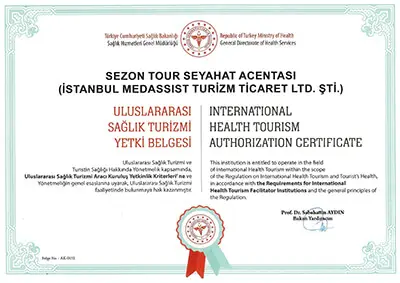
One of the primary factors influencing foreign patients’ decision to get bariatric surgery in Turkey is its high cost. The quality of care is still quite excellent, but prices are much lower than in Western nations. Factors such as the type of surgery, hospital reputation, and aftercare options can influence the total cost. Istanbul Medassist offer all-inclusive packages that cover everything from pre-surgery tests and the operation to accommodation and transfers. This makes it easier for patients to plan their trip without worrying about hidden fees.
Safety and Quality of Care
Turkish hospitals follow strict international safety standards. Many are accredited by global health organizations, ensuring they meet modern medical protocols. Surgeons performing bariatric procedures often have hundreds of successful cases and are supported by skilled medical teams. Patients also receive 24/7 support, translators, and comprehensive care from the moment they arrive until long after they leave.
Life After Surgery: A New Beginning
There is more to bariatric surgery than meets the eye. A new chapter is beginning. Patients’ vitality, self-esteem, and general health frequently significantly improve following surgery. With proper diet, exercise, and ongoing support, most people achieve long-term weight loss and a better quality of life.
Conclusion
Travelling for bariatric surgery in Turkey combines expert medical care with an unforgettable cultural experience. From modern hospitals to compassionate staff, Turkey offers a safe, affordable, and rewarding path to better health. For many, it’s not just a trip for surgery, it’s a journey toward renewed confidence, well-being, and a brighter future.
Frequently Asked Questions About Travelling to Turkey for Bariatric Surgery
1. How long should I plan to stay in Turkey?
Most patients are in the country for between seven and fourteen days. A few days go on arrival tests and the hospital stay, and the remainder is spent recovering nearby so the surgeon can see you once more before you fly. Airlines and surgeons both prefer that you do not board a plane immediately after abdominal surgery.
2. What is normally included in an all-inclusive package?
Packages generally cover the pre-operative tests, the operation and hospital stay, airport transfers, hotel nights, an interpreter or coordinator, and written diet instructions. What varies is the number of hotel nights, whether a companion is included, and how much aftercare is provided. Ask for the exclusions in writing rather than assuming everything is covered.
3. Do I have to fly out for a face-to-face consultation first?
No. The first assessment is done online using your medical history, weight, height and recent test results, and the surgeon confirms the plan in person on the day before the operation. If anything found in the local tests changes the picture, the procedure or the date can still be adjusted at that point.
4. Is bariatric surgery in Turkey safe?
The procedures performed are the standard ones used worldwide, and reputable Turkish hospitals follow international protocols with high-volume surgical teams. Risk depends less on the country than on the individual hospital and surgeon, so check the surgeon’s qualifications, the hospital where the operation will be carried out, and whether an intensive care unit is on site.
5. Can I travel alone, or should someone come with me?
Many patients travel alone and manage well because the clinic handles transfers and hotel arrangements. Even so, having a companion for the first days after discharge is helpful, particularly for carrying luggage and getting to appointments. Tell the clinic in advance if someone is joining you, since accommodation is arranged as part of the package.
- Addiction ( 33 )
- Bariatric ( 5 )
- Cardiology ( 13 )
- Check-up ( 69 )
- Ear Nose & Throat ( 1 )
- Eye Care ( 3 )
- General Surgery ( 6 )
- Gynecology ( 7 )
- Hair Transplant ( 4 )
- Hematology ( 2 )
- IVF ( 21 )
- Longevity ( 22 )
- Neurosurgery ( 7 )
- Oncology ( 15 )
- Orthopedics ( 11 )
- Physiotherapy ( 1 )
- Plastic & Beauty ( 7 )
- Transplantation ( 4 )
- Urology ( 9 )