Gastric Sleeve Surgery in Turkey: Safe and Affordable
Gastric sleeve surgery in Turkey costs roughly two to four times less than in the US, the UK or Western Europe, and it is performed laparoscopically by surgeons who carry out thousands of bariatric operations a year. The operation itself takes about an hour under general anesthesia, followed by a hospital stay of two to three days and a return to normal activities within a couple of weeks, and most hospitals quote a package that bundles the consultations, preoperative tests, surgery, medication, transfers, hotel and translation. Before booking, patients should confirm the surgeon’s bariatric experience, the hospital’s accreditation, and what long-term nutrition follow-up is offered once they fly home. For many people struggling with obesity, finding a long-term solution can feel overwhelming. Diets, exercise routines, and short-term programs sometimes help, but often don’t create lasting change. This is why gastric sleeve surgery has become one of the world’s most popular weight-loss procedures. In recent years, Turkey has become a leading destination for patients seeking safe, effective, and budget-friendly bariatric surgery. Many international visitors specifically search for affordable gastric sleeve surgery in Turkey because the country offers high-quality care at reasonable costs.

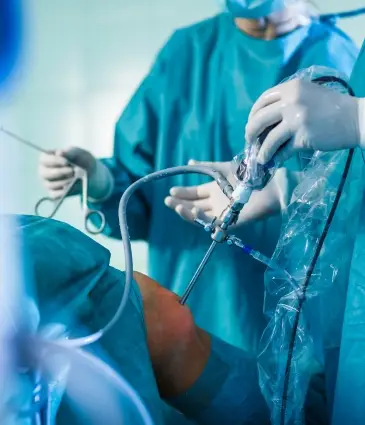
What Is Gastric Sleeve Surgery?
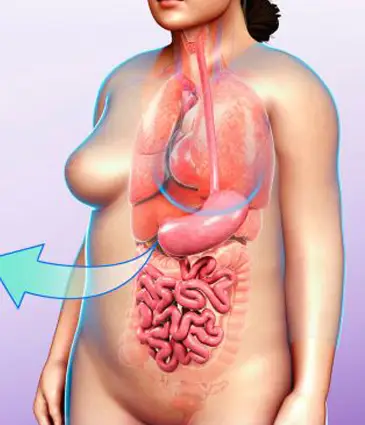
Sleeve gastrectomy, or more commonly known as the Gastric sleeve, is a minimally invasive procedure that removes a portion of the stomach to reduce appetite and help patients feel full more quickly. This promotes steady, long-term weight loss and addresses conditions such as diabetes, high blood pressure, and sleep apnea. Because it does not involve rerouting the intestines, it is considered one of the simpler and safer bariatric procedures. For many people, it becomes a turning point toward better health, higher energy levels, and renewed confidence.
Why Turkey Has Become a Top Destination
Turkey has gained international recognition for providing top-notch healthcare at a much lower cost than the United States, the United Kingdom, and many European nations. The country’s healthcare system is modern, well-regulated, and filled with highly skilled bariatric surgeons who perform thousands of procedures each year.
Patients choose Turkey for several reasons:
- Modern hospitals and advanced technology: Facilities are equipped with high-standard surgical tools and internationally recognized quality systems.
- Experienced surgeons: Many specialists have international training and long-standing clinical experience.
- Short waiting times: Patients can schedule surgery quickly, often within days.
- All-inclusive packages: This is one of the significant attractions driving interest in affordable gastric sleeve surgery in Turkey.
With competitive pricing, reliable results, and personalized patient care, Turkey continues to grow as a safe and trusted destination for weight-loss surgery.
What Makes Gastric Sleeve Surgery in Turkey Affordable?
The reduced cost of living, government support for medical tourism, and efficient hospital systems enable Turkey to offer prices 2–4 times lower than those in the West. Notably, price does not indicate lower quality. Turkish hospitals maintain stringent safety standards, employ advanced laparoscopic techniques, and have highly qualified surgical staff.
Most clinics also offer package services that include:
- Medical consultations
- Preoperative tests
- The surgery itself
- Hospital stay
- Medications
- Airport transfers
- Hotel accommodation
- Translation services
This bundling makes it easier for international patients to plan their trips without unexpected expenses, reinforcing the appeal of affordable gastric sleeve surgery in Turkey.
The Patient Journey: What to Expect
1. Pre-Surgery Consultation
Before the procedure, patients undergo blood tests, imaging, and a detailed medical evaluation. The surgeon explains the steps, expectations, and long-term lifestyle changes needed for success.
2. The Day of the Procedure
Gastric sleeve surgery lasts approximately an hour and is performed under general anesthesia. Because it is minimally invasive, recovery tends to be smooth and comfortable for most patients.
3. Recovery and Aftercare
Patients usually stay in the hospital for about 2–3 days for supervision. Soft foods and liquids are introduced gradually, and most people return to normal activities within a couple of weeks. Long-term support, such as nutrition guidance, is provided to help maintain results.
Safety Standards in Turkey
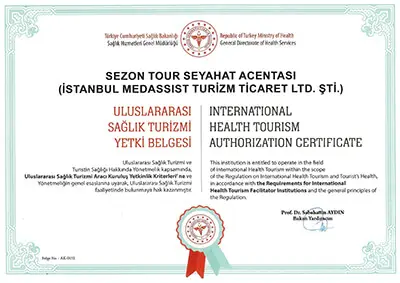
Turkey follows strict medical regulations and hospital accreditation systems to protect patient safety. Sterile environments, modern surgical tools, experienced anesthesiologists, and 24/7 postoperative care all contribute to a safe treatment experience. In addition, international patients appreciate clear communication and transparent explanations throughout the process.
Why Many Patients Choose Istanbul Med Assist
Without being promotional, it is essential to emphasize that groups like Istanbul Med Assist help overseas travelers manage their medical experience. They schedule appointments, arrange transportation, coordinate follow-ups, and refer patients to competent bariatric doctors and approved hospitals. This support makes traveling for surgery smooth and stress-free.
Final Thoughts
Gastric sleeve surgery can be a life-altering choice for people who have been struggling with weight for years. Turkey offers a unique blend of price, medical expertise, and safety that is hard to find anywhere else. Whether someone is seeking high-quality care or investigating economical gastric sleeve Turkey packages, the country offers a fantastic blend of results, comfort, and affordability. For many, it turns into the first significant step toward living a healthier, more self-assured life.
Frequently Asked Questions About Gastric Sleeve Surgery in Turkey
1. How long does the whole trip to Turkey take?
Plan on about a week. The hospital stay after surgery is normally two to three days, and clinics ask patients to remain in the country for a few more days so the surgeon can check the wounds and confirm you are fit to fly. Preoperative tests are usually done on the first day, which is why the trip rarely fits into a long weekend.
2. Is gastric sleeve surgery reversible?
No. Part of the stomach is removed permanently, unlike a gastric band, which can be taken out. That is one reason the preoperative evaluation matters, and why the surgeon spends time on the lifestyle changes the operation requires. Patients who want a reversible option should raise it during the consultation.
3. What does the diet look like after surgery?
Liquids come first, then pureed and soft foods, and normal textures are reintroduced over several weeks under the team’s guidance. Portions stay small permanently, and most patients need lifelong vitamin and mineral supplements because the smaller stomach limits intake. Nutrition follow-up is part of the long-term support Turkish hospitals provide.
4. What are the main risks?
As with any abdominal operation, there is a risk of bleeding, infection and leakage along the staple line, plus the usual anesthesia risks. These complications are uncommon in experienced hands, which is exactly why the surgeon’s case volume and the hospital’s accreditation are worth checking before booking. Ask directly what happens, and who pays, if a complication develops while you are still in Turkey.
5. How is follow-up managed after returning home?
Most Turkish hospitals keep in touch remotely, reviewing weight, blood tests and diet progress over the first year. Patients should still arrange a local doctor or dietitian at home, since blood work and supplement checks need to continue for life. Agree on the follow-up schedule before you leave rather than after.
- Addiction ( 33 )
- Bariatric ( 7 )
- Cardiology ( 13 )
- Check-up ( 69 )
- Ear Nose & Throat ( 1 )
- Eye Care ( 3 )
- General Surgery ( 6 )
- Gynecology ( 7 )
- Hair Transplant ( 5 )
- Hematology ( 2 )
- IVF ( 21 )
- Longevity ( 22 )
- Neurosurgery ( 7 )
- Oncology ( 15 )
- Orthopedics ( 11 )
- Physiotherapy ( 1 )
- Plastic & Beauty ( 7 )
- Transplantation ( 4 )
- Urology ( 9 )