Full Body MOT or Full Body MRI: Which One Do You Need?
Full Body MOT or Full Body MRI: which one is the right choice for your health? While a Full Body MOT evaluates your overall health through blood tests, cardiovascular screenings, and specialist consultations, a Full Body MRI provides detailed images of internal organs and tissues. Both examinations offer valuable information, but they serve different purposes and cannot replace each other. Understanding their differences, benefits, and limitations can help you avoid unnecessary tests and make informed decisions. Discover which health assessment best suits your age, medical history, personal risk factors, and preventive healthcare goals.

Full Body MOT or Full Body MRI: Which One Do You Need? The answer depends on what you want to learn about your health. A Full Body MOT provides a broad health assessment through blood tests, cardiovascular checks, physical examinations, and medical consultations, while a Full Body MRI uses detailed imaging to examine internal organs and tissues. If your goal is to understand your overall health, identify common risk factors, and plan preventive care, a Full Body MOT often makes more sense. A Full Body MRI serves a different purpose, offering additional anatomical information when your medical history or specific health concerns justify advanced imaging.
Although both options focus on understanding your health, they answer different medical questions. Knowing what each examination covers can help you avoid unnecessary tests and choose an assessment that genuinely meets your needs.
What Is a Full Body MOT?
A Full Body MOT is a comprehensive health assessment that examines different aspects of your physical well-being. The term comes from the UK's vehicle MOT test, reflecting the idea of checking how well your body functions.
Unlike a single diagnostic scan, a Full Body MOT combines several examinations to assess your current health and identify factors that might increase your risk of developing certain conditions.
A typical Full Body MOT may include:
- Blood tests to assess cholesterol, blood sugar, and organ function
- Blood pressure measurements and cardiovascular risk assessments
- Liver, kidney, and thyroid function tests
- Electrocardiogram (ECG) to examine heart rhythm
- Physical examinations and specialist consultations
- Ultrasound examinations when clinically appropriate
- Lifestyle and family medical history assessments
The exact combination depends on your age, symptoms, medical background, and the health screening package you choose.
What Can a Full Body MOT Detect?
One of the main advantages of a Full Body MOT is its ability to identify health risks that do not always produce noticeable symptoms.
For example, high cholesterol and elevated blood pressure can develop quietly. You might feel perfectly healthy while these factors gradually increase your cardiovascular risk.
Blood tests can also highlight changes in glucose levels, kidney function, liver enzymes, and thyroid hormones.
However, an abnormal test does not automatically indicate a disease. Your doctor interprets the findings alongside your medical history and determines whether further investigation makes sense.
A Full Body MOT therefore offers more than individual test readings. It helps you understand how different health indicators relate to one another.
What Is a Full Body MRI?
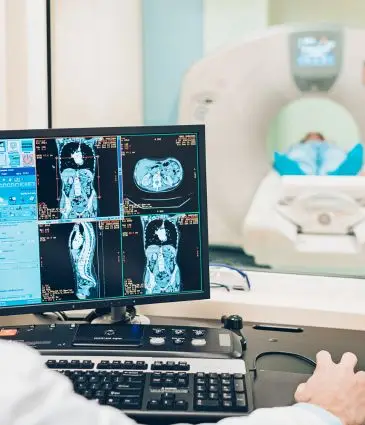
A Full Body MRI, also called a whole-body MRI, uses magnetic fields and radio waves to create detailed images of internal structures.
Unlike X-rays and CT scans, MRI does not use ionizing radiation.
During the examination, you lie on a scanning table that moves through the MRI machine. The scanner captures images of several body regions, depending on the examination protocol.
A Full Body MRI can provide detailed views of:
- Brain structures and selected neurological abnormalities
- Spine and surrounding tissues
- Muscles, joints, and soft tissues
- Liver, kidneys, and other abdominal organs
- Certain masses, lesions, and structural abnormalities
However, a whole-body scan does not examine every organ with equal accuracy. Different medical conditions require different imaging techniques.
Can a Full Body MRI Detect Cancer?
This is one of the most common questions people ask before considering advanced imaging.
A Full Body MRI can identify certain suspicious masses or tissue changes that require further examination. However, it cannot reliably detect every type of cancer, and a normal scan does not guarantee that cancer is absent.
For example, MRI does not replace colonoscopy for colorectal cancer screening or mammography for routine breast cancer screening.
It also cannot provide the same information as specialized lung imaging or certain blood tests.
Importantly, medical organizations do not recommend routine whole-body MRI screening for most healthy people without symptoms or specific high-risk conditions. Research has not established that this approach improves long-term health outcomes in the general population.
Doctors may recommend whole-body MRI in selected circumstances, including certain inherited cancer predisposition syndromes.
Full Body MOT vs Full Body MRI: What Are the Main Differences?
The biggest difference between these examinations is the type of health information they provide.
A Full Body MOT focuses on your body's functions, measurable health indicators, and overall risk profile.
A Full Body MRI focuses on anatomical structures, helping doctors investigate certain physical abnormalities.
Here are the key differences between the two examinations:
- Main purpose: A Full Body MOT focuses on general health and risk assessment, while a Full Body MRI provides detailed anatomical imaging.
- Examination methods: A Full Body MOT combines blood tests, physical checks, medical consultations, and selected imaging. A Full Body MRI uses magnetic resonance imaging to examine internal structures.
- Heart health: A Full Body MOT can assess blood pressure, cholesterol levels, and heart rhythm. A Full Body MRI does not replace dedicated cardiovascular examinations.
- Diabetes risk: A Full Body MOT can assess blood glucose and HbA1c levels, while a Full Body MRI cannot diagnose diabetes.
- Organ function: A Full Body MOT evaluates selected organ functions through laboratory tests. A Full Body MRI shows structural features of certain organs.
- Cancer screening: A Full Body MOT may include recommended, age-appropriate cancer screening tests. A Full Body MRI may identify certain abnormalities but does not replace established cancer screening methods.
- Radiation exposure: Radiation exposure during a Full Body MOT depends on the examinations included in the package. A Full Body MRI does not use ionizing radiation.
- Who benefits most: A Full Body MOT generally suits people seeking a broad preventive health assessment. A Full Body MRI serves specific clinical indications that require advanced imaging.
Neither examination provides a complete picture of every possible medical condition.
The most useful choice depends on the questions your doctor needs to answer.
Which One Should You Choose for a Routine Health Check?
If you feel healthy but want to understand your current health status, a Full Body MOT is generally a more practical starting point.
Consider someone in their forties who works long hours, exercises occasionally, and has a family history of diabetes.
Their main concerns might include cholesterol, blood sugar, cardiovascular health, and lifestyle-related risks.
A comprehensive health assessment can address these concerns directly through appropriate laboratory tests, physical examinations, and medical advice.
A Full Body MRI would not provide the same information about blood glucose, cholesterol levels, or metabolic health.
When Might a Full Body MRI Make More Sense?
Your doctor may consider MRI when your symptoms, medical history, or previous examinations suggest a need for detailed imaging.
For instance, certain neurological symptoms, unexplained abnormalities, or specific inherited conditions may justify MRI assessment.
However, doctors often prefer a targeted MRI rather than a full-body scan because a focused examination provides more detailed information about the relevant body region.
If you have persistent symptoms, the priority is a medical consultation rather than selecting a screening package independently.
The right examination should follow your clinical needs, not simply the number of organs a scan covers.
Can You Have a Full Body MOT and Full Body MRI Together?
Yes, some comprehensive health screening programs combine laboratory tests, specialist evaluations, and whole-body imaging.
These packages offer a coordinated way to complete several examinations during one healthcare visit.
However, combining more tests does not automatically mean better preventive care.
Every additional examination should have a clear medical purpose.
A comprehensive screening package may already include everything you need, while another person might benefit from more focused investigations.
For individuals exploring full body health check-up packages in Turkey, understanding the difference between standard health assessments and advanced imaging packages is particularly important.
Some programs focus on blood tests and specialist consultations. Others include MRI, cardiovascular imaging, and additional diagnostic procedures.
Before choosing a package, ask which examinations address your personal health risks and whether any tests overlap.
Is a Full Body MRI Worth It If You Have No Symptoms?
The idea of examining your entire body before symptoms appear sounds reassuring. However, medical imaging has limitations that deserve careful consideration.
A whole-body MRI sometimes identifies unexpected abnormalities known as incidental findings.
These findings may have little or no clinical significance, but they can lead to additional scans, specialist appointments, or invasive examinations.
They may also create unnecessary anxiety while doctors determine whether an abnormality requires attention.
Another limitation involves false reassurance.
A normal Full Body MRI does not rule out cardiovascular disease, diabetes, microscopic cancers, or other conditions that require different diagnostic methods.
For people without symptoms or elevated risk, established preventive screening generally offers a clearer starting point than routine whole-body imaging.
How Do Age and Family History Affect Your Choice?
Your age, medical history, and family background play important roles in choosing appropriate health examinations.
Someone in their thirties with no significant medical concerns may need a different screening approach from someone in their sixties with hypertension or a family history of cardiovascular disease.
Family history can also influence cancer screening recommendations.
For example, a strong family history of certain inherited cancers may prompt genetic counseling and a specialized screening plan.
However, having a relative with cancer does not automatically mean you need a Full Body MRI.
Your doctor considers the type of cancer, the relative's age at diagnosis, and other relevant risk factors before recommending examinations.
The same principle applies to cardiovascular screening. Blood pressure measurements, cholesterol testing, and other established assessments often provide more actionable information than whole-body imaging.
Personalized preventive care focuses on selecting the right tests rather than completing every available examination.
What Should You Know Before Booking a Full Body Health Assessment?
Before scheduling a health examination, take a moment to identify your main concerns.
Are you interested in understanding your cardiovascular risk? Do you want to monitor existing health conditions? Are you worried about a specific symptom or family history?
Your answers help determine which examinations deserve priority.
When comparing screening options, consider the following questions:
- Which tests does the package include?
- Will a doctor review my medical history before selecting examinations?
- Does the package include specialist consultations?
- Are the screening tests appropriate for my age and risk profile?
- How will I receive and discuss my medical reports?
- What happens if an examination identifies an unexpected abnormality?
Preparation also varies between examinations.
Some blood tests require fasting, while MRI examinations involve safety screening for implants, medical devices, and certain metal objects.
If you experience claustrophobia, discuss this before your MRI appointment.
Clear preparation instructions can make the experience more comfortable and help your medical team complete the necessary assessments efficiently.
Full Body Health Screening in Turkey: Understanding Your Options
Turkey attracts international patients seeking coordinated medical examinations and access to different diagnostic services.
Patients researching full body MRI in Turkey should understand exactly what the examination covers and how medical professionals interpret its findings.
Istanbul Med Assist offers several health assessment options, including essential check-ups, comprehensive screening programs, and packages that incorporate advanced diagnostic imaging.
Some programs combine blood tests, cardiovascular assessments, specialist consultations, and Full Body MRI within an organized medical visit.
The appropriate combination depends on your medical history and individual screening requirements.
A useful health assessment should provide understandable information, clear medical guidance, and appropriate recommendations for any necessary follow-up.
Whether you choose a Full Body MOT or an MRI examination, discussing your needs with a qualified healthcare professional helps ensure that each test serves a meaningful purpose.
Frequently Asked Questions About Full Body MOT and Full Body MRI
1. Is a Full Body MOT better than a Full Body MRI?
A Full Body MOT generally offers more useful information for routine preventive health assessments because it examines blood markers, cardiovascular risk factors, and overall health indicators. A Full Body MRI provides detailed anatomical images but cannot replace laboratory tests or specialist examinations. Your medical needs determine which option makes sense.
2. Can a Full Body MRI detect diseases that blood tests miss?
Yes. MRI can reveal certain structural abnormalities, such as masses or tissue changes, that routine blood tests do not identify. However, blood tests can detect metabolic and functional abnormalities that MRI cannot show. These examinations provide different types of information rather than replacing one another.
3. Do I need a Full Body MRI if my blood tests are normal?
Normal blood tests do not rule out every medical condition, but they do not automatically justify a Full Body MRI. If you have no symptoms or specific risk factors, routine whole-body MRI screening generally lacks an established medical benefit. Your doctor can assess whether additional imaging is appropriate.
4. How often should I have a Full Body MOT or Full Body MRI?
The ideal frequency of preventive health assessments depends on your age, medical history, existing conditions, and risk factors. Some measurements require regular monitoring, while other screening tests follow longer intervals. Routine annual Full Body MRI scans are not recommended for most healthy adults without specific clinical indications.
5. Can a Full Body MOT and Full Body MRI detect all serious diseases?
No single examination can detect every serious medical condition. A Full Body MOT evaluates selected health indicators, while MRI identifies certain structural abnormalities. Neither guarantees the absence of disease. A personalized screening plan combines appropriate medical examinations with established preventive care recommendations.
- Addiction ( 35 )
- Bariatric ( 7 )
- Cardiology ( 15 )
- Check-up ( 82 )
- Ear Nose & Throat ( 1 )
- Eye Care ( 4 )
- General Surgery ( 6 )
- Gynecology ( 7 )
- Hair Transplant ( 7 )
- Hematology ( 2 )
- IVF ( 22 )
- Longevity ( 27 )
- Neurosurgery ( 7 )
- Oncology ( 15 )
- Orthopedics ( 12 )
- Physiotherapy ( 1 )
- Plastic & Beauty ( 10 )
- Transplantation ( 4 )
- Urology ( 10 )